What to Eat on Tirzepatide: Foods That Help and Foods to Avoid
Tirzepatide changes the way your body responds to food. It activates two hunger-regulating hormones at once, reduces your appetite, and slows how quickly food leaves your stomach. That combination cre
In this article
Tirzepatide changes the way your body responds to food. It activates two hunger-regulating hormones at once, reduces your appetite, and slows how quickly food leaves your stomach. That combination creates a powerful window for weight loss. But what you choose to eat inside that window still matters more than most people expect.
This guide covers what to eat on tirzepatide, which foods support your results, which foods tend to trigger the medication's most common side effects, and how to build a realistic eating pattern that works alongside treatment.
*Compounded tirzepatide is not FDA-approved. This article is for educational and informational purposes only and does not constitute medical advice. Individual results vary. Consult your licensed healthcare provider before starting any medication or making significant dietary changes.*
---
Why Nutrition Still Matters on Tirzepatide
Tirzepatide suppresses appetite by activating both GLP-1 (glucagon-like peptide-1) and GIP (glucose-dependent insulinotropic polypeptide) receptors simultaneously. That dual mechanism is why the SURMOUNT-1 trial found average weight loss of 22.5% at the 15mg dose over 72 weeks, a number that surpasses earlier GLP-1 medications (Jastreboff et al., NEJM 2022, PMID [35658024](https://pubmed.ncbi.nlm.nih.gov/35658024/)).
But medication reduces appetite; it does not direct what you eat. When your hunger is suppressed, every calorie you consume carries more nutritional weight. A smaller quantity of food can either give your body what it needs to preserve muscle, maintain energy, and support recovery, or it can deliver calories with little nutritional return.
The clinical programs that produced the SURMOUNT trial results paired medication with structured lifestyle counseling, including dietary guidance. Medication alone was not the treatment model in those studies. Food quality is one of the controllable variables that separates good results from excellent ones.
---
Protein First: Why It Matters Most
If there is one dietary principle that matters above all others while taking tirzepatide, it is eating enough protein. Caloric restriction, by design, puts your body into a state where muscle breakdown can occur alongside fat loss. Adequate protein intake is the primary lever for preventing that.
Research in the American Journal of Clinical Nutrition found that higher protein diets preserve lean body mass during weight loss, support satiety, and improve body composition outcomes compared to standard protein intakes (Leidy et al., 2015, PMID [25926512](https://pubmed.ncbi.nlm.nih.gov/25926512/)). On a GLP-1 program, where overall food volume is reduced, protecting muscle through protein intake is especially important because lost muscle lowers your metabolic rate and makes it harder to maintain results long-term.
How Much Protein
A practical target during active weight loss on a tirzepatide program is 1.2 to 1.6 grams of protein per kilogram of body weight daily. A registered dietitian or your prescribing provider can help you find the right range for your specific situation.
As a rough reference: someone weighing 200 pounds (about 91 kg) should aim for approximately 110 to 145 grams of protein per day. Reaching that on a reduced appetite requires prioritizing protein at every meal rather than treating it as an afterthought.
Best Protein Sources
Dense protein sources give you the most nutrition per bite, which is exactly what you need when appetite and stomach capacity are reduced.
- Eggs and egg whites
- Chicken breast and turkey
- Lean beef, pork tenderloin, bison
- Salmon, tuna, shrimp, cod
- Greek yogurt and cottage cheese
- Edamame, tofu, tempeh
- Protein shakes (useful when appetite is very low or nausea makes solid food difficult)
---
Best Foods for Satiety and GI Tolerance
During tirzepatide treatment, your appetite is reduced and your stomach empties more slowly than normal. That makes food choices that are easy to digest, filling, and nutritionally efficient especially valuable.
Fiber-Rich Vegetables and Legumes
Dietary fiber supports lasting fullness between meals and digestive health overall. A review in the journal Nutrition found that fiber moderates appetite through multiple pathways, including slowing gastric emptying and promoting satiety hormones (Slavin, 2005, PMID [15797686](https://pubmed.ncbi.nlm.nih.gov/15797686/)). On tirzepatide, satiety hormones are already elevated; fiber works alongside that mechanism rather than against it.
Practical fiber sources that work well on this medication:
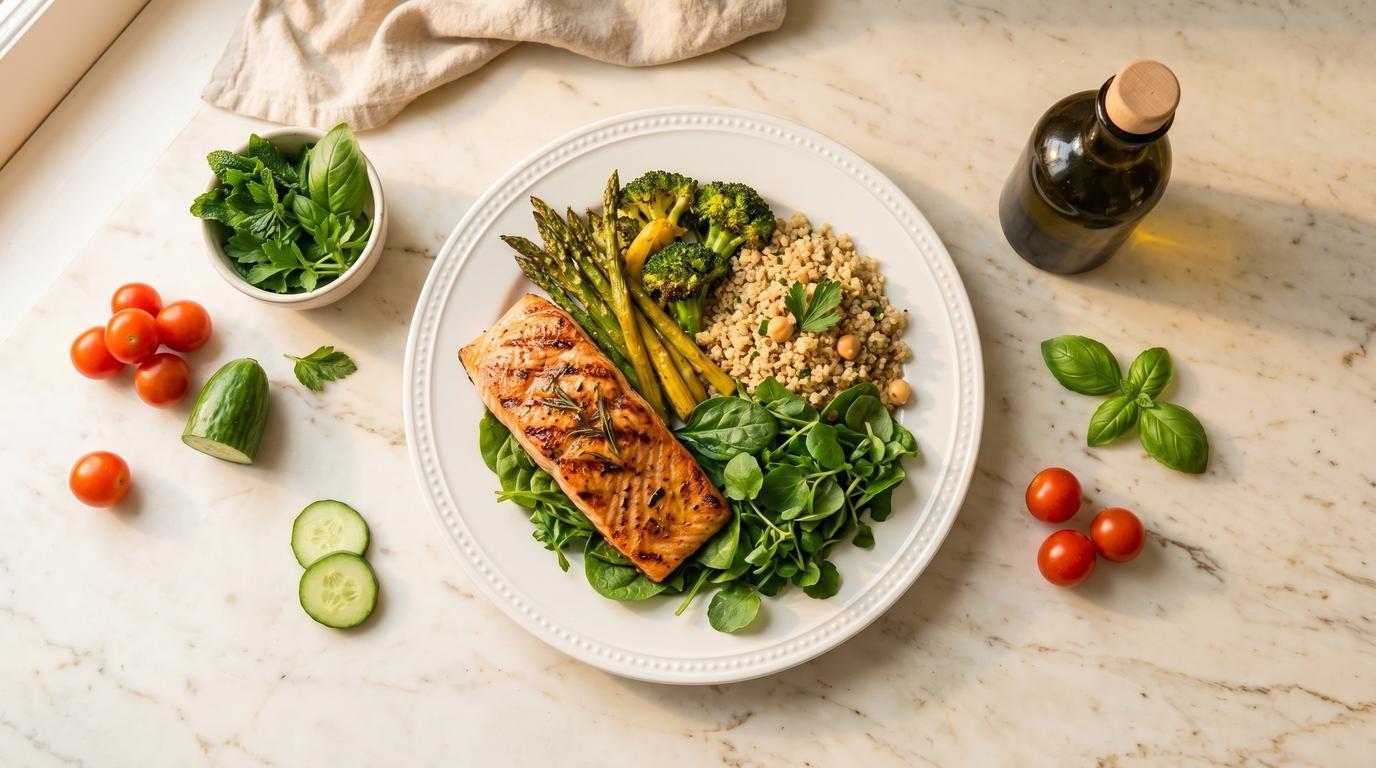
- Non-starchy vegetables (leafy greens, broccoli, zucchini, bell peppers, asparagus) provide fiber without taking up excessive stomach space
- Cooked vegetables are generally easier to tolerate than raw, particularly in the early weeks of treatment when nausea is more common
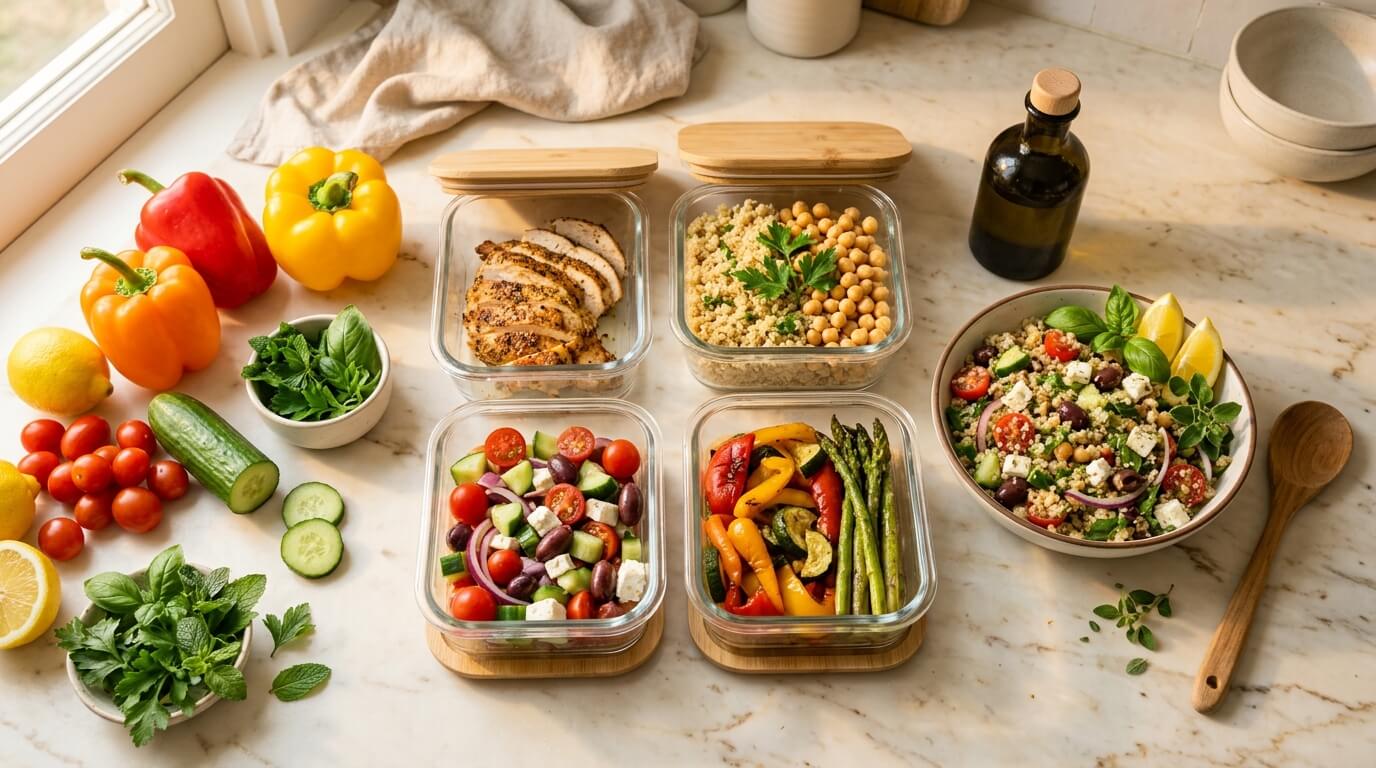
- Lentils and chickpeas deliver both fiber and protein in one food
- Berries offer antioxidants, fiber, and modest sugar content in a small volume
Whole Grains in Modest Portions
Oats, quinoa, brown rice, and whole grain bread provide fiber and steady energy. Portions naturally decrease on tirzepatide. A small serving alongside protein and vegetables is a reasonable approach, especially in the weeks when dose escalation is not causing significant nausea.
Low-Fat Dairy and Soft Proteins
Greek yogurt, cottage cheese, and soft-cooked eggs are among the most versatile foods on tirzepatide. They are high in protein, gentle on a sensitive stomach, and require minimal preparation. Cold or room-temperature foods are often better tolerated than hot ones when nausea is present, making chilled Greek yogurt or a cold protein shake particularly useful options.
---
---
Foods That Worsen Nausea on Tirzepatide
Nausea is the most commonly reported side effect of tirzepatide. In the SURMOUNT-1 trial, approximately 41% of participants at therapeutic doses reported nausea, with most cases described as mild to moderate and most common during dose escalation periods. What you eat has a direct influence on whether nausea is manageable or severe.
High-Fat and Greasy Foods
This is the most important category to understand. Tirzepatide slows gastric emptying as part of its mechanism. Fat independently slows gastric emptying as well. When the two combine, the result is food sitting in your stomach far longer than normal, which significantly increases nausea and vomiting risk.
Foods to be especially careful with, particularly during dose-increase weeks:
- Fried foods (fried chicken, french fries, donuts)
- Fast food with high fat content
- Fatty cuts of meat (bacon, sausage, ribeye)
- Heavy cream-based sauces and dishes
- Full-fat cheeses in large quantities
- Greasy takeout
Spicy and Heavily Seasoned Foods
Spicy foods are a common nausea trigger for many people on GLP-1 medications. This is especially true when your stomach is emptying slowly and food is spending more time in the digestive tract. If you tolerate spice well before starting tirzepatide, you may find your tolerance changes, at least during dose escalation.
Try milder seasoning during the early weeks and reintroduce spice gradually as your body adjusts.
Sugary and Highly Processed Foods
Ultra-processed foods, including chips, crackers, cookies, candy, and many packaged snacks, tend to be low in protein and fiber but high in refined carbohydrates and engineered palatability. These foods can be consumed even when appetite is suppressed for nutritious food, which is one way weight loss stalls despite being on medication.
Alcohol deserves specific mention. Beyond providing empty calories, alcohol can worsen GI symptoms (which are already common on tirzepatide), lower inhibitions around food choices, and complicate blood sugar regulation. Speak with your provider about what level of alcohol consumption is appropriate for your health profile and treatment plan.
---
Hydration: Easy to Neglect, Important to Maintain
Tirzepatide can suppress thirst signals alongside hunger. Dehydration worsens the fatigue, headaches, and constipation that can accompany GLP-1 treatment, and it often goes unnoticed until symptoms appear.
Aim for at least 8 cups of water daily, more if you are active or in a warm climate. Practical approaches:
- Keep a water bottle visible throughout the day; when hunger signals disappear, you need visual reminders to drink
- Sparkling water is fine for most people and can be easier to sip when nausea is present
- Electrolyte drinks without added sugar are useful when nausea has reduced food intake significantly
- Herbal teas (especially ginger tea) support hydration and may help with nausea management
What to Eat When Nausea Strikes
Nausea tends to be most intense during the first few weeks at any new dose. It typically improves substantially once your body adapts to the medication at that level. In the meantime, specific food choices can reduce discomfort.
Foods That Tend to Be Better Tolerated
- Plain crackers, dry toast, plain rice, baked potato
- Cold or room-temperature foods (less aroma, which can trigger nausea)
- Broth and soups (gentle on the stomach, provides hydration and some nutrition)
- Ginger in any form: ginger tea, ginger chews, fresh ginger steeped in hot water. Evidence supports ginger for nausea reduction generally, and many people on GLP-1 medications find it helpful.
- Protein smoothies when solid food feels difficult (use low-fat milk or water, avoid creamy high-fat bases)
- Small, frequent snacks rather than full meals
Eating Habits That Help During Nausea
- Eat slowly and chew thoroughly. Rushed eating makes nausea worse.
- Sit upright for at least 30 minutes after eating. Do not lie down directly after a meal.
- Avoid eating very large portions even when appetite briefly returns. Small, steady meals are easier to manage.
- Time meals away from your injection if you notice nausea peaks at predictable intervals after dosing.
- Do not skip meals entirely when nausea is present. A very empty stomach can worsen nausea. Small amounts of easily digested food are better than nothing.
---
A Sample Day of Eating on Tirzepatide
This is not a rigid meal plan. It is a practical illustration of how protein-first eating looks at reduced portions. Adjust portions based on your actual appetite, which will vary by week and by where you are in the dose titration schedule.
Morning
A modest breakfast focused on protein. Two scrambled eggs with sauteed spinach and a small slice of whole grain toast. Or Greek yogurt with a handful of berries and a tablespoon of ground flaxseed. Or a low-fat protein smoothie if solid food is unappealing.
Midday
Grilled chicken over a small bed of mixed greens with olive oil and lemon. Or cottage cheese with sliced cucumber and cherry tomatoes. Or a simple bowl of lentil soup, which provides protein and fiber together.
Afternoon
If hunger returns and a snack fits, a hard-boiled egg, a small handful of almonds, a piece of string cheese, or a few slices of deli turkey are efficient protein sources.
Evening
Baked salmon with roasted broccoli and a small portion of quinoa or brown rice. Or turkey or chicken with zucchini and a simple tomato sauce. Or shrimp stir-fried with bok choy and a minimal amount of oil.
Portions will be noticeably smaller than before treatment. That is the expected and intended effect of the medication. The focus shifts from finishing a standard plate to maximizing the quality of what fits in a smaller-appetite eating window.
---
Foods That Are Not Off-Limits
A practical note on the mental health dimension of eating on tirzepatide: this medication tends to reduce food noise significantly. Many people describe a quieting of intrusive food thoughts for the first time. That effect can be a relief, but it can also create anxiety about eating at all or create a rigid sense that certain foods are now permanently forbidden.
They are not. No specific food is entirely off-limits. The framework above is about tendency and proportion, not prohibition. Dark chocolate, a glass of wine on occasion, pizza with friends, a slice of birthday cake: these are part of a sustainable relationship with food, not threats to the treatment.
What matters is your overall pattern over days and weeks, not any single meal. Rigid restriction often leads to rebound behavior. A sustainable approach keeps protein and fiber as defaults, keeps high-fat and ultra-processed foods as occasional rather than regular choices, and preserves room for the foods that make eating enjoyable.
---
Frequently Asked Questions
Can I eat whatever I want as long as I take tirzepatide? The medication reduces appetite, but it does not control what you eat when you do eat. Food quality affects body composition, side effect severity, and long-term results. Treating nutrition as irrelevant because "the medication does the work" produces weaker outcomes and more side effects.
Do I need to track calories? Not necessarily. Most people naturally consume fewer calories because appetite is significantly suppressed. However, tracking protein intake for a few days can be useful if weight loss has stalled, to confirm you are actually hitting your protein targets. A registered dietitian can provide structured guidance if you want it.
What if I am not hungry at all and struggle to eat? Extreme appetite suppression is common in the early weeks or after dose increases. Prioritize protein above everything else. Protein shakes and high-protein snacks are useful when solid food feels unappealing. Do not go a full day without eating anything. Contact your provider if appetite suppression is severe enough that you are struggling to meet basic nutritional needs over multiple days.
Should I take supplements while on tirzepatide? When overall food intake decreases, micronutrient gaps become possible. A daily multivitamin is a reasonable baseline. Some people benefit from additional vitamin D, magnesium, or electrolytes. Discuss any supplementation with your provider, especially if you have existing deficiencies.
How long should I maintain these dietary habits? The eating habits you build during tirzepatide treatment are intended to be lasting, not temporary. Weight tends to return after stopping GLP-1 medications without sustained lifestyle changes. The food quality foundation built during treatment is one of the most important tools for maintaining results over time.
---
Working With Your Provider
Nutritional needs vary based on starting weight, health history, activity level, and how your body responds to tirzepatide specifically. The guidance in this article is a practical framework; your prescribing provider and their clinical team can help tailor it to your specific situation. If you have significant dietary needs or preferences, working with a registered dietitian alongside your medical team is worth considering.
---
Sources
- Jastreboff AM, Aronne LJ, Ahmad NN, et al. Tirzepatide once weekly for the treatment of obesity. *New England Journal of Medicine.* 2022;387(3):205-216. [PMID: 35658024](https://pubmed.ncbi.nlm.nih.gov/35658024/). doi:10.1056/NEJMoa2206038
- Leidy HJ, Clifton PM, Astrup A, et al. The role of protein in weight loss and maintenance. *American Journal of Clinical Nutrition.* 2015;101(6):1320S-1329S. [PMID: 25926512](https://pubmed.ncbi.nlm.nih.gov/25926512/). doi:10.3945/ajcn.114.084038
- Slavin JL. Dietary fiber and body weight. *Nutrition.* 2005;21(3):411-418. [PMID: 15797686](https://pubmed.ncbi.nlm.nih.gov/15797686/). doi:10.1016/j.nut.2004.08.018
Medical Disclaimer: This article is for informational purposes only and does not constitute medical advice. Consult a licensed healthcare provider before starting any medication or making significant changes to your diet.
Compounding Disclaimer: Compounded tirzepatide is not an FDA-approved medication. Compounded drugs are not reviewed by the FDA for safety, efficacy, or quality. Compounded tirzepatide is not the same as, equivalent to, or interchangeable with FDA-approved tirzepatide products (Mounjaro or Zepbound). Clinical research cited in this article refers to FDA-approved tirzepatide formulations and may not reflect outcomes from [compounded tirzepatide](/resources/compounded-tirzepatide-guide).
Results Disclaimer: Individual results vary. Weight management outcomes depend on adherence to your prescribed treatment plan, diet, exercise, starting weight, and other individual health factors. Results are not guaranteed.
Provider Disclaimer: All medical services, including prescribing, are provided by independently licensed healthcare providers. Prescriva LLC is a management services organization and does not practice medicine or make clinical decisions.
Brand Disclaimer: Mounjaro and Zepbound are registered trademarks of Eli Lilly and Company. Prescriva is not affiliated with, endorsed by, or sponsored by Eli Lilly and Company.
Stay informed
Weekly research updates and health guides. No spam.
References
- Jastreboff AM, Aronne LJ, Ahmad NN, et al. Tirzepatide once weekly for the treatment of obesity. New England Journal of Medicine. (2022).
- Leidy HJ, Clifton PM, Astrup A, et al. The role of protein in weight loss and maintenance. American Journal of Clinical Nutrition. (2015).
- Slavin JL. Dietary fiber and body weight. Nutrition. (2005).
Ready to get started?
Check if you qualify for a personalized treatment plan.
Check Your Eligibility →Continue reading
GLP-1 Medications After Bariatric Surgery: What the Research Shows About Weight Regain

Tirzepatide and Birth Control: What You Need to Know About Oral Contraceptives