What Are GLP-1 Medications? Your Complete Guide to Weight Loss Treatment
GLP-1 medications for weight loss have transformed the treatment of obesity by addressing the hormonal imbalances that make it so difficult to lose weight and keep it off through diet and exercise alo

In this article
GLP-1 medications for weight loss have transformed the treatment of obesity by addressing the hormonal imbalances that make it so difficult to lose weight and keep it off through diet and exercise alone.
*This article is for informational purposes only. It is not medical advice. Speak with a licensed healthcare provider before starting any new medication or treatment program.*
---
If you have been researching GLP-1 medications weight loss research, you have probably come across this term already. These medications have changed how doctors approach weight management, and for good reason. Clinical trials show meaningful, sustained weight loss results when GLP-1 medications are combined with lifestyle changes.
But what are they, exactly? How do they work? And are they right for you?
This guide breaks it all down - from the science behind how GLP-1 medications work to what you can realistically expect if your provider prescribes one.
---
What Is a GLP-1?
GLP-1 stands for glucagon-like peptide-1. It is a hormone your body naturally produces in your gut after you eat. GLP-1 does several important things:
- It signals your pancreas to release insulin (which lowers blood sugar)
- It tells your brain that you are full
- It slows down how quickly food leaves your stomach
- It reduces the amount of glucagon your liver releases (glucagon raises blood sugar)
GLP-1 receptor agonist medications mimic this natural hormone. They bind to the same receptors in your brain and gut that natural GLP-1 binds to, producing a stronger and longer-lasting effect than your body's own hormone.
---
The Research Behind GLP-1 Medications
The evidence base for GLP-1 medications and weight loss is substantial.
A landmark 2021 trial published in the *New England Journal of Medicine* studied semaglutide 2.4mg weekly in adults with obesity or overweight. Participants who received semaglutide lost an average of 14.9% of their body weight over 68 weeks, compared to 2.4% in the placebo group - when combined with lifestyle intervention (PMID [33567185](https://pubmed.ncbi.nlm.nih.gov/33567185/)).
A 2022 trial studying tirzepatide - a newer medication that targets both GLP-1 and GIP receptors - found even more impressive results. At the highest dose (15mg weekly), participants lost an average of 20.9% of their body weight over 72 weeks (PMID [35658024](https://pubmed.ncbi.nlm.nih.gov/35658024/)).
A 2023 cardiovascular outcomes trial (SELECT) found that semaglutide reduced the risk of major cardiovascular events by 20% in adults with overweight or obesity and established cardiovascular disease, even without diabetes (PMID [37960388](https://pubmed.ncbi.nlm.nih.gov/37960388/)). This marked a turning point - weight loss medications were no longer just about the scale.
These are not small effects. They represent a meaningful shift in what is medically possible for people who have struggled with weight for years.
---
FDA Status: What You Need to Know
Brand-Name GLP-1 Medications
Several GLP-1 receptor agonists are FDA-approved for weight management in adults:
- Wegovy (semaglutide 2.4mg) - FDA-approved for chronic weight management in adults with BMI of 30 or above, or 27 and above with at least one weight-related condition
- Zepbound (tirzepatide) - FDA-approved for the same indications
- Saxenda (liraglutide) - FDA-approved for weight management (older, less commonly used now)
What About Compounded GLP-1 Medications?
This is an important distinction.
Compounded medications are not FDA-approved. They are prepared by licensed compounding pharmacies to meet individual patient needs - such as specific doses or formulations that are not commercially available.
[Compounded semaglutide](/resources/compounded-semaglutide-what-it-is) and [compounded tirzepatide](/resources/compounded-tirzepatide-guide) are GLP-1 receptor agonists prepared by licensed compounding pharmacies, but compounded medications are not the same as Wegovy, Ozempic, Mounjaro, or Zepbound. These are separate products, not equivalent to or interchangeable with brand-name versions.
The safety and efficacy of compounded medications have not been separately evaluated by the FDA.
Prescriptions written by independently licensed providers in Prescriva's affiliated network are filled by state-licensed 503A compounding pharmacies. All prescriptions are written after a thorough medical evaluation. What compounded medications are (and what they are not) is explained transparently.
---
Who Qualifies for GLP-1 Treatment?
Generally speaking, GLP-1 medications are considered for adults who meet one of these criteria:
- BMI of 30 or above (classified as obesity)
- BMI of 27 or above with at least one weight-related health condition, such as high blood pressure, type 2 diabetes, or high cholesterol
- Current medications (some interact with GLP-1 medications)
- Personal or family history of thyroid cancer or pancreatitis
- Kidney function
- History of eating disorders
- Pregnancy or plans to become pregnant
---
How GLP-1 Medications Are Taken
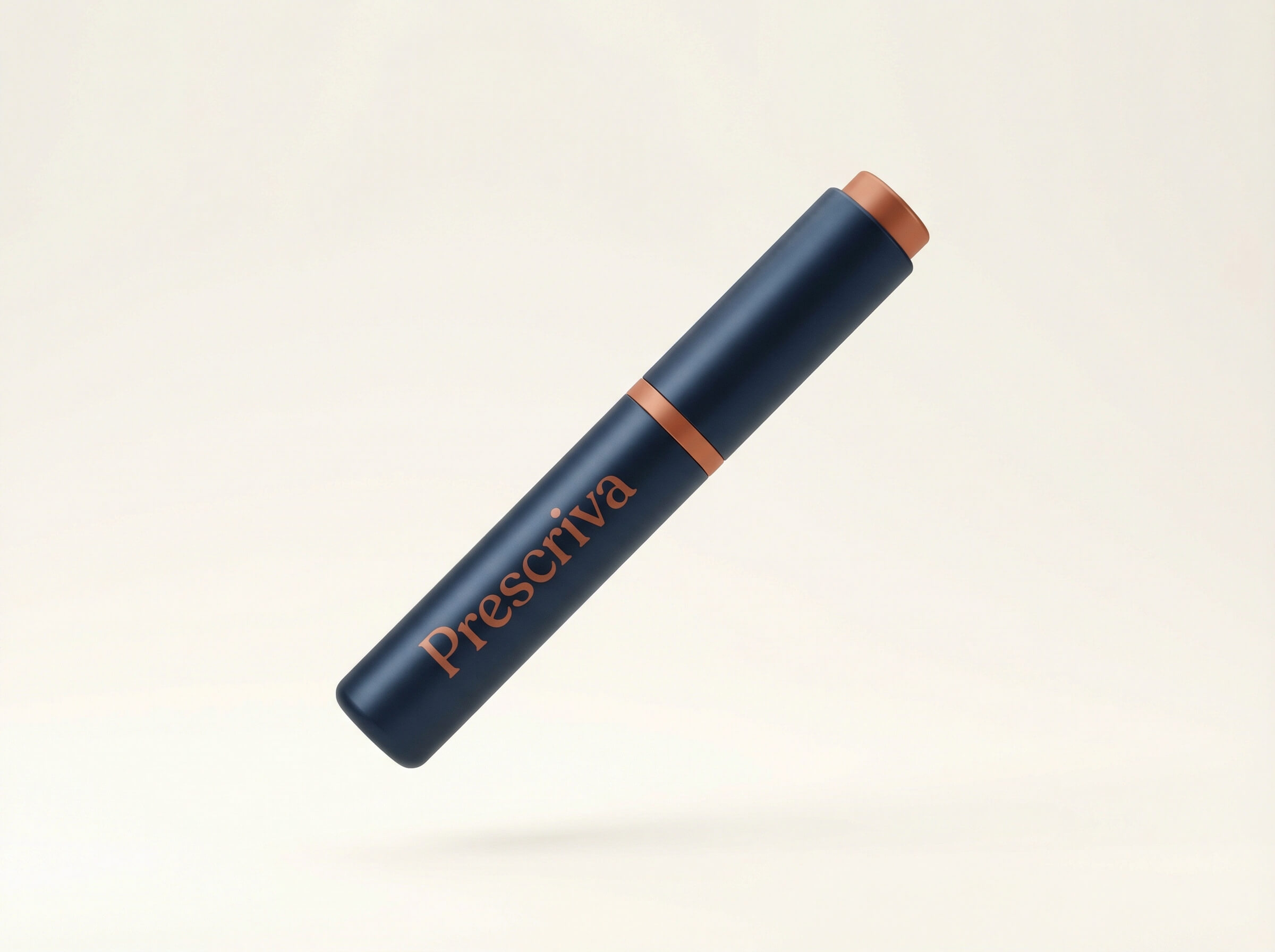
Most GLP-1 medications used for weight loss are self-injected once weekly using a small, pen-style device. The injection is subcutaneous - meaning just under the skin, not into muscle. Most people inject in the abdomen, thigh, or upper arm.
The doses typically start low and increase gradually over several weeks or months. This "titration" process helps your body adjust to the medication and reduces the chance of [side effects](/resources/semaglutide-side-effects-what-to-expect), particularly nausea.
---
What to Expect
The First Few Weeks
The most common experience in the early weeks is reduced appetite. Many people describe eating less without consciously trying to - meals feel more satisfying, and the urge to snack between meals decreases.
Nausea is the most common side effect, especially early on. It is usually mild to moderate and improves as your body adjusts. Other common side effects include:
- Vomiting
- Diarrhea or constipation
- Fatigue
- Mild injection site reactions
Weight Loss Timeline
Results vary by individual - factors like starting weight, diet, exercise habits, sleep, and stress levels all play a role.
In clinical trials, meaningful weight loss was typically observed starting around 4-8 weeks, with maximum effects seen at 12-24 months. The medication works best as part of a broader lifestyle program that includes healthy eating and regular physical activity.
Individual results depend on adherence to your treatment plan and lifestyle changes. Results may vary.
Long-Term Considerations
GLP-1 medications appear to work as long as you take them. When people stop, some weight regain often occurs. This does not mean the medication "failed" - it reflects the biological nature of obesity as a chronic condition. Your provider can help you think through long-term options.
---
Compounded vs. Brand-Name: Cost and Access
One major practical reason people turn to compounded GLP-1 medications is cost. Brand-name medications like Wegovy and Zepbound can cost $1,000 or more per month without insurance. See our [compounded semaglutide cost guide](/resources/compounded-semaglutide-cost-2026) for a full breakdown. Insurance coverage is inconsistent and often requires extensive prior authorization.
Compounded alternatives are significantly more affordable. Prescriva's weight loss programs start at $169/mo on the 52-week plan ($289/mo month-to-month), all-inclusive (consultation, medication, and shipping).
However, it is essential to understand what you are choosing. Brand-name medications have FDA approval, which means the specific formulation has been tested for safety and efficacy. Compounded medications have not. This does not mean compounded medications are unsafe - licensed pharmacies operate under strict regulatory oversight - but it is a real difference worth understanding.
---
How to Get Started
If you are curious whether a GLP-1 program might be right for you, the first step is a medical evaluation with a licensed provider.
At Prescriva, this happens online: you complete a health intake form, a licensed clinician reviews your information, and - if appropriate - a personalized treatment plan is created for you. If prescribed, your medication is shipped directly to your door.
There are no office visits, no waiting rooms, and all-inclusive monthly pricing. If you are not a good candidate, you will be told that clearly - and not charged.
---
Frequently Asked Questions
Are GLP-1 medications safe? The FDA-approved brand-name versions have extensive safety data. Compounded versions are prepared by licensed compounding pharmacies under a separate regulatory pathway and have not been separately evaluated by the FDA. All medications carry risks. A thorough medical evaluation is essential before starting.
How long do I need to take the medication? That depends on your health goals and your provider's recommendations. Some people use GLP-1 medications short-term, others long-term. This is a decision for you and your provider.
Do I need to change my diet? The clinical trial data for GLP-1 medications consistently includes lifestyle intervention - diet and exercise changes alongside the medication. The medication reduces appetite; healthy habits keep the weight off.
Is this the same as Ozempic? Not exactly. Ozempic is FDA-approved for type 2 diabetes. Wegovy is semaglutide at a higher dose, approved for weight management. Compounded semaglutide is prepared by a licensed compounding pharmacy under a separate regulatory pathway. It is not the same product as either, is not FDA-approved, and is not interchangeable with them.
---
The Bottom Line
GLP-1 medications represent a real advance in obesity medicine, backed by strong clinical evidence. They are not magic - they work best alongside lifestyle changes and under proper medical supervision. But for the right person, they can be a meaningful part of a long-term health plan.
Understanding what these medications are - including the difference between FDA-approved brand-name products and compounded alternatives - helps you make an informed decision.
Ready to see if you might qualify? Check your eligibility at Prescriva. The evaluation is online, takes about 10 minutes, and your information is reviewed by a licensed clinician.
---
*This article is for informational purposes only and does not constitute medical advice. Compounded medications are not FDA-approved and are not the same as, equivalent to, or interchangeable with FDA-approved brand-name medications. Always consult a licensed healthcare provider before starting any new treatment. Individual results may vary.*
*All medical services, including prescribing, are provided by independently licensed healthcare providers. Prescriva LLC is a management services organization and does not practice medicine or make clinical decisions.*
*Ozempic and Wegovy are registered trademarks of Novo Nordisk A/S. Mounjaro and Zepbound are registered trademarks of Eli Lilly and Company. Prescriva is not affiliated with, endorsed by, or sponsored by these companies.*
---
References
- Wilding JPH, et al. Once-weekly semaglutide in adults with overweight or obesity. *N Engl J Med.* 2021;384(11):989-1002. [PMID: 33567185](https://pubmed.ncbi.nlm.nih.gov/33567185/)
- Jastreboff AM, et al. Tirzepatide once weekly for the treatment of obesity. *N Engl J Med.* 2022;387(3):205-216. [PMID: 35658024](https://pubmed.ncbi.nlm.nih.gov/35658024/)
- Lincoff AM, et al. Semaglutide and cardiovascular outcomes in obesity without diabetes. *N Engl J Med.* 2023;389(24):2221-2232. [PMID: 37960388](https://pubmed.ncbi.nlm.nih.gov/37960388/)
Stay informed
Weekly research updates and health guides. No spam.
Ready to get started?
Check if you qualify for a personalized treatment plan.
Check Your Eligibility →Continue reading

GLP-1 Medications After Bariatric Surgery: What the Research Shows About Weight Regain
Tirzepatide and Birth Control: What You Need to Know About Oral Contraceptives