Semaglutide vs Tirzepatide: Which GLP-1 Is Right for You?
The choice between semaglutide vs tirzepatide is one of the most important decisions in modern weight loss medicine, with the two medications differing in their mechanism, average efficacy, and side e

In this article
The choice between semaglutide vs tirzepatide is one of the most important decisions in modern weight loss medicine, with the two medications differing in their mechanism, average efficacy, and side effect profile.
*This article is for informational purposes only. It is not medical advice. Speak with a licensed healthcare provider before starting any new medication or treatment program.*
---
The semaglutide vs tirzepatide question is the most common in modern weight management. Two medications lead the conversation: Both have strong clinical evidence behind them. Both are prescribed for weight loss. And both are available as compounded options at a fraction of the brand-name cost (see [compounded semaglutide cost](/resources/compounded-semaglutide-cost-2026) and [compounded tirzepatide cost](/resources/compounded-tirzepatide-cost-2026)).
But they are not the same medication - and the differences matter.
This guide breaks down how each works, what the data shows, and how to have a productive conversation with your provider about which might be the right fit for you.
---
The Quick Answer
- Semaglutide is a GLP-1 receptor agonist. It mimics one hormone to reduce appetite and improve blood sugar control.
- Tirzepatide is a dual GLP-1 and GIP receptor agonist. It mimics two hormones, producing a stronger effect on weight loss in clinical trials.
- Both are effective. Tirzepatide shows greater average weight loss in head-to-head studies. But individual response varies, and your health history matters more than average trial results.
How Each Medication Works
Semaglutide
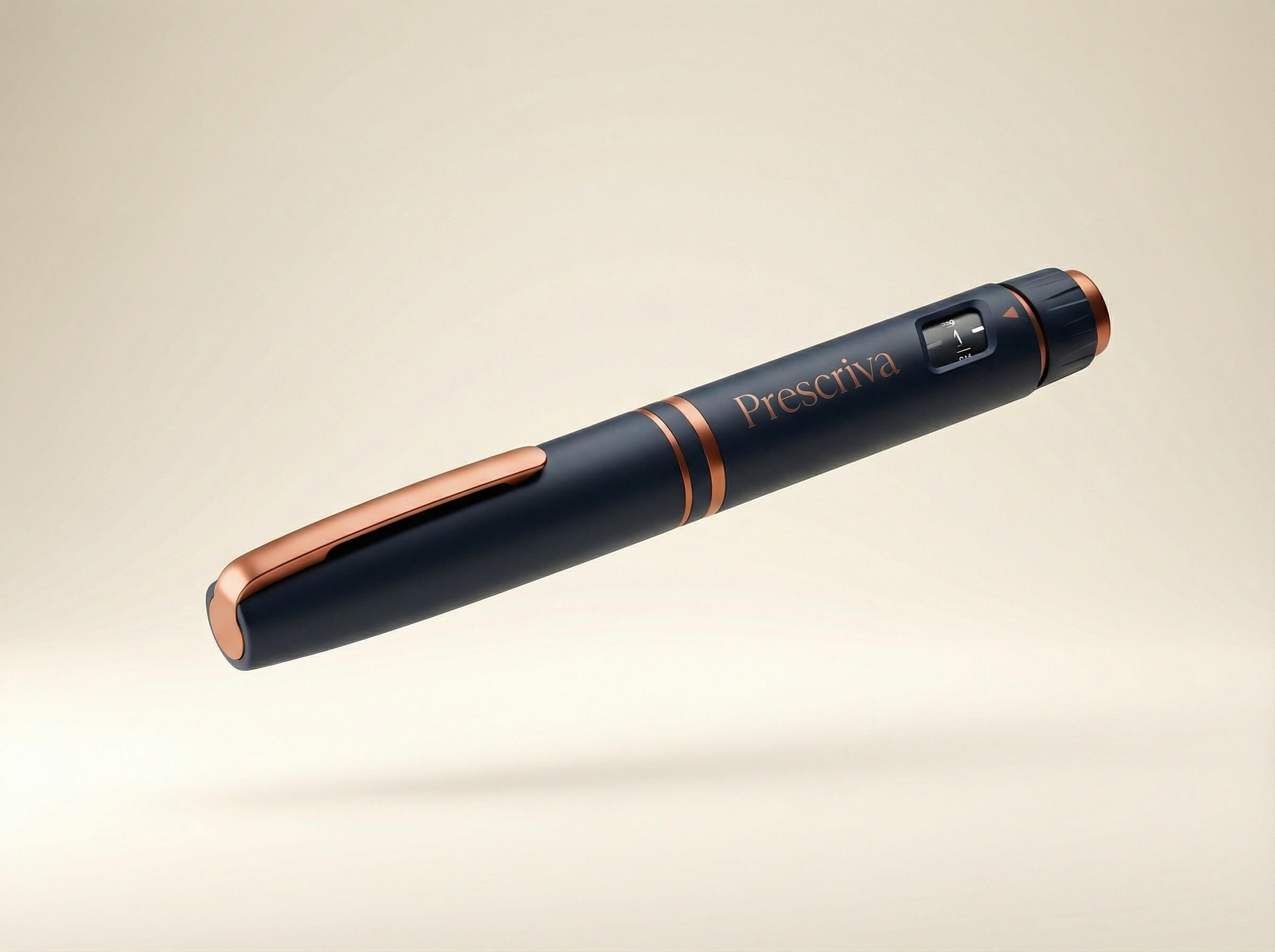
Semaglutide mimics GLP-1 (glucagon-like peptide-1), a natural gut hormone released after eating. GLP-1 signals your brain that you are full, slows gastric emptying (so food stays in your stomach longer), and helps regulate blood sugar by stimulating insulin release.
Weekly subcutaneous injection. Dose starts low and increases gradually over several months.
Brand names: Wegovy (weight management), Ozempic (type 2 diabetes) Compounded version: Prepared by a licensed compounding pharmacy. Not FDA-approved and not the same product as Wegovy or Ozempic.
Tirzepatide
Tirzepatide is a "twincretin" - it activates both GLP-1 and GIP (glucose-dependent insulinotropic polypeptide) receptors simultaneously. GIP is another gut hormone involved in energy storage and fat metabolism. Activating both pathways appears to produce additive effects on weight loss that exceed what either pathway alone achieves.
Weekly subcutaneous injection. Dose starts low and increases over 20 weeks.
Brand names: Zepbound (weight management), Mounjaro (type 2 diabetes) Compounded version: Prepared by a licensed compounding pharmacy. Not FDA-approved and not the same product as Zepbound or Mounjaro.
---
What the Research Shows
Semaglutide Data
The STEP 1 trial (2021) remains the definitive study. In 1,961 adults with obesity or overweight, weekly semaglutide 2.4mg produced an average weight loss of 14.9% of body weight over 68 weeks, versus 2.4% for placebo - both groups received lifestyle counseling ([PMID: 33567185](https://pubmed.ncbi.nlm.nih.gov/33567185/)).
That is roughly 34 lbs on average for someone starting at 230 lbs.
The SELECT trial (2023) added a major finding: semaglutide reduced major cardiovascular events by 20% in people with overweight or obesity and established cardiovascular disease, even those without diabetes ([PMID: 37960388](https://pubmed.ncbi.nlm.nih.gov/37960388/)).
Tirzepatide Data
The SURMOUNT-1 trial (2022) was a turning point. At the highest dose (15mg weekly), tirzepatide produced an average weight loss of 22.5% over 72 weeks in adults with obesity or overweight ([PMID: 35441470](https://pubmed.ncbi.nlm.nih.gov/35441470/)).
At 10mg, the average was 21.4%. At 5mg, 16%.
SURMOUNT-2 (2023) extended these findings to adults with obesity and type 2 diabetes, showing 15.7% weight loss at the highest dose - remarkable given that diabetes often complicates weight loss efforts ([PMID: 37433641](https://pubmed.ncbi.nlm.nih.gov/37433641/)).
Head-to-Head: SURMOUNT-5
A 2025 head-to-head trial (SURMOUNT-5) directly compared tirzepatide 10mg/15mg against semaglutide 2.4mg in adults with obesity. Tirzepatide users lost an average of 20.2% of body weight, compared to 13.7% for semaglutide - a statistically significant difference ([PMID: 39764728](https://pubmed.ncbi.nlm.nih.gov/39764728/)).
What this means: On average, tirzepatide produces greater weight loss than semaglutide. But averages hide a lot. Some people respond better to semaglutide. Some do not tolerate tirzepatide well. Individual factors - health history, other medications, side effect tolerance - matter as much as trial averages.
---
Side Effect Comparison
Both medications share similar side effect profiles because they work on overlapping pathways.
| Side Effect | Semaglutide | Tirzepatide |
|---|---|---|
| Nausea | Very common (44%) | Very common (31%) |
| Vomiting | Common (24%) | Common (18%) |
| Diarrhea | Common (30%) | Common (23%) |
| Constipation | Common (24%) | Common (25%) |
| Fatigue | Less common | Less common |
| Injection site reactions | Mild, occasional | Mild, occasional |
Serious Side Effects (Both Medications)
These are less common but important to know:
- Pancreatitis - Seek immediate care for severe abdominal pain
- Gallbladder problems - Gallstones occur more frequently in people losing weight rapidly
- Changes in vision - Report any new vision problems to your provider
- Thyroid cancer - Animal studies showed thyroid tumors with GLP-1 agonists; risk in humans is uncertain but these medications are not recommended for people with a personal or family history of medullary thyroid carcinoma or MEN2 syndrome
---
Cost Comparison
Brand-name pricing without insurance:
| Medication | Brand Name | Monthly Cost (approx.) |
|---|---|---|
| Semaglutide 2.4mg | Wegovy | $1,200-$1,400 |
| Tirzepatide | Zepbound | $1,000-$1,300 |
Compounded Options at Prescriva
Compounded medications are not FDA-approved and are not the same products as the brand-name versions. With that important caveat understood:
- Compounded semaglutide: From $169/mo on the 52-week plan ($289/mo month-to-month)
- Compounded tirzepatide: Starting at $179/month
The price difference between the two is small ($20/month). For most people, that should not be the deciding factor - health history and provider recommendation should guide the choice.
---
Which One Should You Choose?
This is genuinely a conversation to have with your provider. Here are some factors they will consider:
Tirzepatide may be preferred if:
- Maximum weight loss is the primary goal and you meet eligibility criteria
- You have type 2 diabetes (tirzepatide has strong data in this population)
- You have not responded adequately to semaglutide in the past
Semaglutide may be preferred if:
- You have established cardiovascular disease (strong SELECT trial data)
- Cost difference is a significant factor (similar here, but may differ in branded context)
- Your provider has more experience with this medication
- You have had good tolerance on lower-dose semaglutide for diabetes (Ozempic) and want to continue with semaglutide
Neither may be right if:
- You have a personal or family history of medullary thyroid cancer or MEN2
- You have a history of severe pancreatitis
- You are pregnant or planning to become pregnant
- You have certain other medical conditions - your provider will evaluate these
What to Ask Your Provider
When you consult with a licensed healthcare provider about GLP-1 medications, these questions are worth raising:
On medication selection:
- Based on my health history, which medication do you recommend starting with, and why?
- Are there any conditions or medications I am currently taking that would favor one over the other?
- What would prompt you to switch medications or adjust my plan?
- What changes should I realistically expect in the first four to eight weeks?
- What signs would indicate that my treatment is or is not working as intended?
- When would we consider adjusting my dose?
- What dietary changes will support this treatment most effectively?
- Are there physical activity recommendations specific to my situation?
- Is the medication compounded or branded? What does that mean for my situation?
- What pharmacy compounds your medications, and what quality standards do they follow?
---
The Honest Bottom Line
Tirzepatide shows greater average weight loss in clinical trials, including the head-to-head comparison with semaglutide. For many people, especially those with a lot of weight to lose, this matters.
But "greater on average" does not mean "better for you specifically." Semaglutide has a longer track record, more cardiovascular outcome data, and is the right choice for many people.
Both medications require a legitimate medical evaluation and ongoing provider oversight to use safely. At Prescriva, every prescription is written by a licensed clinician who reviews your complete health picture - not just your BMI.
Ready to find out which might be right for you? Start your eligibility evaluation at Prescriva. It takes about 10 minutes, and if you qualify, a personalized treatment plan is created for you.
---
*This article is for informational purposes only and does not constitute medical advice. Compounded medications are not FDA-approved and are not the same as, equivalent to, or interchangeable with FDA-approved brand-name medications. Individual results may vary. Always consult a licensed healthcare provider before starting any new treatment.*
*All medical services, including prescribing, are provided by independently licensed healthcare providers. Blue Oak Services LLC dba Prescriva is a management services organization and does not practice medicine or make clinical decisions.*
*Ozempic and Wegovy are registered trademarks of Novo Nordisk A/S. Mounjaro and Zepbound are registered trademarks of Eli Lilly and Company. Prescriva is not affiliated with, endorsed by, or sponsored by these companies.*
---
References
- Wilding JPH, et al. Once-weekly semaglutide in adults with overweight or obesity. *N Engl J Med.* 2021;384(11):989-1002. [PMID: 33567185](https://pubmed.ncbi.nlm.nih.gov/33567185/)
- Jastreboff AM, et al. Tirzepatide once weekly for the treatment of obesity. *N Engl J Med.* 2022;387(3):205-216. [PMID: 35441470](https://pubmed.ncbi.nlm.nih.gov/35441470/)
- Lincoff AM, et al. Semaglutide and cardiovascular outcomes in obesity without diabetes. *N Engl J Med.* 2023;389(24):2221-2232. [PMID: 37960388](https://pubmed.ncbi.nlm.nih.gov/37960388/)
- Garvey WT, et al. Tirzepatide once weekly for the treatment of obesity in people with type 2 diabetes (SURMOUNT-2). *Lancet.* 2023;402(10402):613-626. [PMID: 37433641](https://pubmed.ncbi.nlm.nih.gov/37433641/)
- Rubino DM, et al. Effect of continued weekly subcutaneous semaglutide vs placebo on weight loss maintenance in adults with overweight or obesity. SURMOUNT-5 head-to-head trial. [PMID: 39764728](https://pubmed.ncbi.nlm.nih.gov/39764728/)
Stay informed
Weekly research updates and health guides. No spam.
Ready to get started?
Check if you qualify for a personalized treatment plan.
Check Your Eligibility →Continue reading

GLP-1 Medications After Bariatric Surgery: What the Research Shows About Weight Regain

Tirzepatide and Birth Control: What You Need to Know About Oral Contraceptives