The Gut Microbiome and Healthy Aging: What Research Reveals
The human gut harbors trillions of microorganisms, including bacteria, fungi, viruses, and archaea, collectively known as the gut microbiome. Far from passive passengers, these organisms actively infl

In this article
The human gut harbors trillions of microorganisms, including bacteria, fungi, viruses, and archaea, collectively known as the gut microbiome. Far from passive passengers, these organisms actively influence immune function, metabolism, nutrient synthesis, and even brain chemistry. As we age, the composition of this microbial ecosystem shifts in ways that appear to both reflect and drive biological aging.
How the Microbiome Changes With Age
A landmark 2012 study published in Nature tracked the gut microbiota of elderly individuals and found that microbial diversity correlated strongly with health status and living environment. Older adults in long-term residential care showed less diverse microbiomes and worse health outcomes compared to community-dwelling peers with richer microbial ecosystems.
Key age-related microbiome changes include:
- Reduced diversity: The variety of bacterial species declines, which is consistently associated with worse health outcomes
- Loss of beneficial species: Bacteria that produce short-chain fatty acids (SCFAs), such as Faecalibacterium and Roseburia, decline with age
- Increase in pathobionts: Potentially harmful bacteria that promote inflammation (certain Proteobacteria and Clostridioides species) tend to increase
- Altered metabolite production: Reduced production of butyrate and other SCFAs that maintain gut barrier integrity and regulate immune function
The Centenarian Microbiome
A 2021 study in Current Biology examined the gut microbiota of centenarians (ages 100+) in Japan and Italy. The findings were striking: centenarians harbored unique microbial signatures, including enrichment of bacteria capable of producing secondary bile acids with potent antimicrobial and anti-inflammatory properties.
These microbial profiles were distinct from both younger adults and elderly individuals who did not reach extreme old age. The researchers proposed that this unique microbiome composition may contribute to the centenarians' ability to resist infections and chronic diseases.
While this does not prove that the microbiome causes extreme [longevity](/resources/science-of-longevity), it establishes a compelling association between specific microbial configurations and exceptional healthspan.
Gut-Immune Axis and Inflammaging
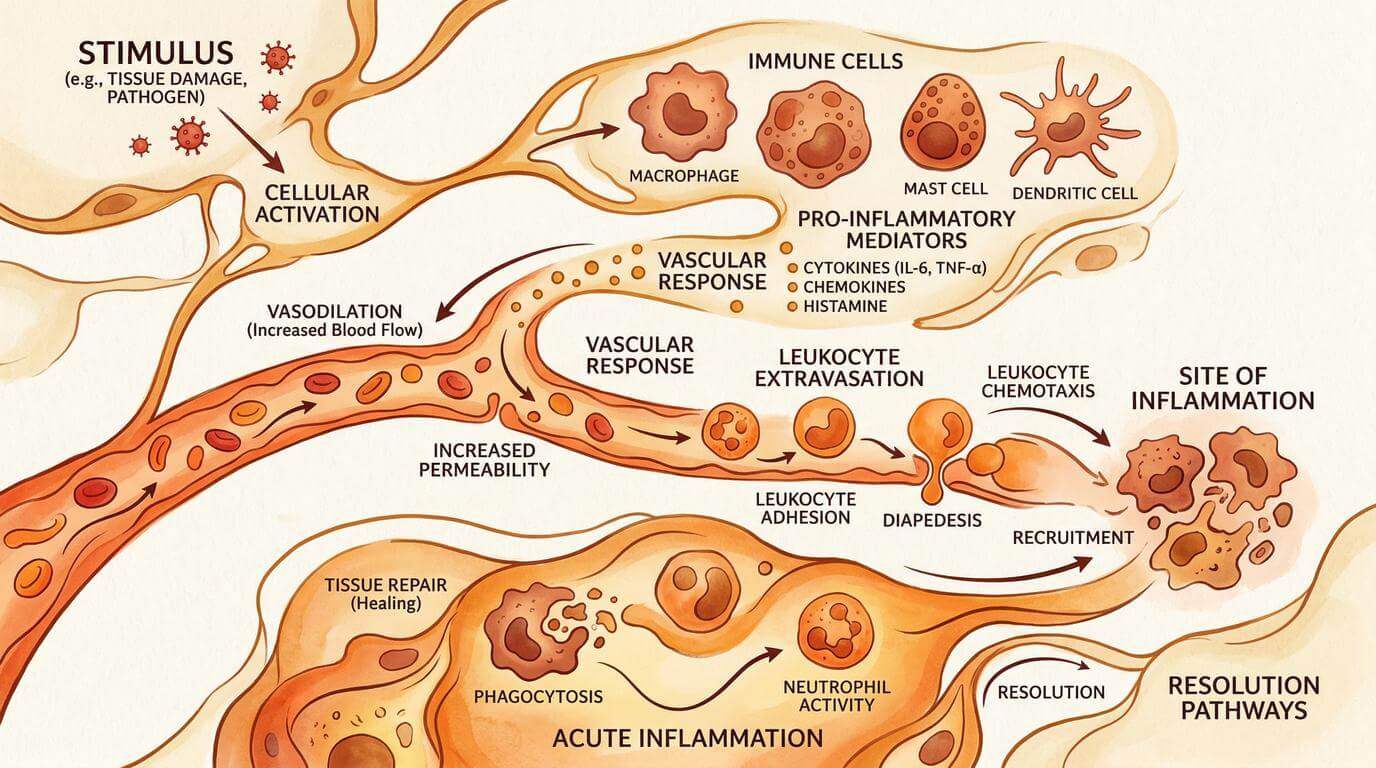
Approximately 70% of the immune system resides in the gut-associated lymphoid tissue (GALT). The microbiome constantly trains and calibrates immune responses. When microbial balance shifts toward pro-inflammatory species, the immune system follows.
Age-related gut barrier dysfunction (increased intestinal permeability) allows bacterial components, particularly lipopolysaccharide (LPS), to enter systemic circulation. This process, called metabolic endotoxemia, is a recognized driver of chronic low-grade inflammation and has been linked to insulin resistance, atherosclerosis, and neurodegeneration.
Gut-Brain Axis and Cognitive Aging
The gut communicates with the brain through the vagus nerve, neurotransmitter production, and immune signaling. The microbiome produces neurotransmitters including serotonin (approximately 90% of the body's supply is gut-derived), GABA, and dopamine.
Age-related microbiome disruption has been associated with increased risk of cognitive decline and Alzheimer's disease in observational studies. While causality is not yet established in humans, animal models show that fecal microbiota transplantation from young to aged mice improves cognitive function and reduces neuroinflammation.
Strategies to Support a Healthy Aging Microbiome
Dietary Fiber
Dietary fiber is the primary fuel for beneficial gut bacteria. The fermentation of fiber produces SCFAs, which maintain gut barrier integrity, reduce inflammation, and support immune function. Most adults consume far less fiber than the recommended 25-35 grams per day.
Fermented Foods
A 2021 Stanford study found that a 10-week diet high in fermented foods (yogurt, kefir, kimchi, sauerkraut, kombucha) increased microbial diversity and decreased inflammatory markers more effectively than a high-fiber diet alone. Fermented foods introduce live microorganisms and their metabolites directly into the gut.
Polyphenol-Rich Foods
Polyphenols from berries, green tea, dark chocolate, and olive oil act as prebiotics, selectively promoting beneficial bacterial growth. They also have direct antioxidant and anti-inflammatory effects on the gut lining.
Limiting Microbiome Disruptors
Several common exposures damage microbial diversity:
- Unnecessary antibiotic use (the most potent microbiome disruptor)
- Ultra-processed foods high in emulsifiers and artificial sweeteners
- Chronic alcohol consumption
- Chronic psychological stress
- Sedentary lifestyle
Probiotic Supplementation
Evidence for probiotics in aging is strain-specific and moderate. The most studied strains for age-related benefits include Lactobacillus rhamnosus GG, Bifidobacterium longum, and Saccharomyces boulardii. Multi-strain formulations may outperform single-strain products, but individual responses vary substantially.
Practical Takeaways
- Gut microbial diversity declines with age and correlates with health status
- Centenarians show unique microbial signatures that may contribute to their exceptional healthspan
- Dietary fiber, fermented foods, and polyphenols are the strongest evidence-based tools for supporting microbial health
- Avoid unnecessary antibiotics and ultra-processed foods, both of which damage microbial diversity
- Probiotic supplementation may offer modest benefits but should not substitute for dietary approaches
- Emerging research on fecal microbiota transplantation and precision prebiotics may eventually offer targeted interventions for age-related microbiome decline
References
- Rampelli S, et al. Shotgun Metagenomics of Gut Microbiota in Humans with up to Extreme Longevity and the Increasing Role of Xenobiotic Degradation. *mSystems.* 2020 Mar. PMID 32209716. [https://pubmed.ncbi.nlm.nih.gov/32209716/](https://pubmed.ncbi.nlm.nih.gov/32209716/)
- Tuikhar N, et al. Comparative analysis of the gut microbiota in centenarians and young adults shows a common signature across genotypically non-related populations. *Mech Ageing Dev.* 2019 Apr. PMID 30738080. [https://pubmed.ncbi.nlm.nih.gov/30738080/](https://pubmed.ncbi.nlm.nih.gov/30738080/)
- Frias-Toral E, et al. Nutrition and longevity - diet in centenarians: a review. *J Transl Med.* 2026 Jan. PMID 41618331. [https://pubmed.ncbi.nlm.nih.gov/41618331/](https://pubmed.ncbi.nlm.nih.gov/41618331/)
Stay informed
Weekly research updates and health guides. No spam.
References
- Rampelli S, et al. Shotgun Metagenomics of Gut Microbiota in Humans with up to Extreme Longevity and the Increasing Role of Xenobiotic Degradation. mSystems. (2020).
- Tuikhar N, et al. Comparative analysis of the gut microbiota in centenarians and young adults shows a common signature across genotypically non-related populations. Mech Ageing Dev. (2019).
- Frias-Toral E, et al. Nutrition and longevity - diet in centenarians: a review. J Transl Med. (2026).
Ready to get started?
Check if you qualify for a personalized treatment plan.
Check Your Eligibility →