Semaglutide and Aging: What Longevity Researchers Are Finding
Most people who start semaglutide are focused on weight loss. Fewer realize that longevity researchers are paying close attention to semaglutide for an entirely different reason: its apparent effects

In this article
Most people who start semaglutide are focused on weight loss. Fewer realize that longevity researchers are paying close attention to semaglutide for an entirely different reason: its apparent effects on the biology of aging. Emerging studies suggest GLP-1 receptor agonists may reduce neuroinflammation, clear senescent cells, improve cardiovascular aging markers, and potentially slow some molecular clocks of biological age.
*This article is for educational and informational purposes only. It does not constitute medical advice. Semaglutide is not FDA-approved for anti-aging or longevity purposes. All anti-aging research on semaglutide remains investigational. Compounded semaglutide is not FDA-approved as a finished drug product. Consult your licensed healthcare provider before starting any medication.*
---
What Biological Aging Actually Means
"Aging" in everyday conversation usually refers to wrinkles and gray hair. In longevity science, aging means something more specific: the progressive accumulation of molecular damage that erodes cellular function over time.
In 2013, researchers Lopez-Otin and colleagues published an influential framework called the Hallmarks of Aging, which identified nine biological processes driving how we age. These include genomic instability (accumulated DNA damage), telomere attrition (the shortening of chromosome caps that limits cell division), cellular senescence (cells that stop dividing but secrete harmful signals instead of dying), chronic inflammation, and mitochondrial dysfunction.
What makes the longevity research on GLP-1 medications interesting is that semaglutide appears to touch several of these hallmarks simultaneously. It is not that semaglutide was designed as an anti-aging drug. It is that researchers studying it for cardiovascular disease, neurodegeneration, and metabolic health kept finding signals in aging-relevant tissues.
---
Where GLP-1 Receptors Are Found in the Aging Body
To understand why semaglutide might affect aging biology, it helps to know where GLP-1 receptors are expressed. When most people think of semaglutide, they think of the pancreas (where it stimulates insulin release) and the gut (where it slows stomach emptying). But GLP-1 receptors are distributed across many tissues that are central to the aging process.
The brain contains significant GLP-1 receptor expression, particularly in the hypothalamus, hippocampus, and areas involved in inflammation regulation. The heart and blood vessels express GLP-1 receptors, which is why cardiovascular trials have been so compelling. The liver, kidneys, and immune cells also carry these receptors.
This broad distribution means that a GLP-1 receptor agonist like semaglutide is not acting narrowly on one system. It is sending signals to multiple organ systems at once, some of which are directly involved in how we age. A 2023 review in the *European Journal of Pharmacology* outlined these receptor distribution patterns and their implications for neurodegenerative disease, noting that GLP-1's anti-inflammatory and neuroprotective signaling pathways extend well beyond metabolic function. [[1]](https://pubmed.ncbi.nlm.nih.gov/36470445/)
---
What the Emerging Research Shows
Reducing Neuroinflammation
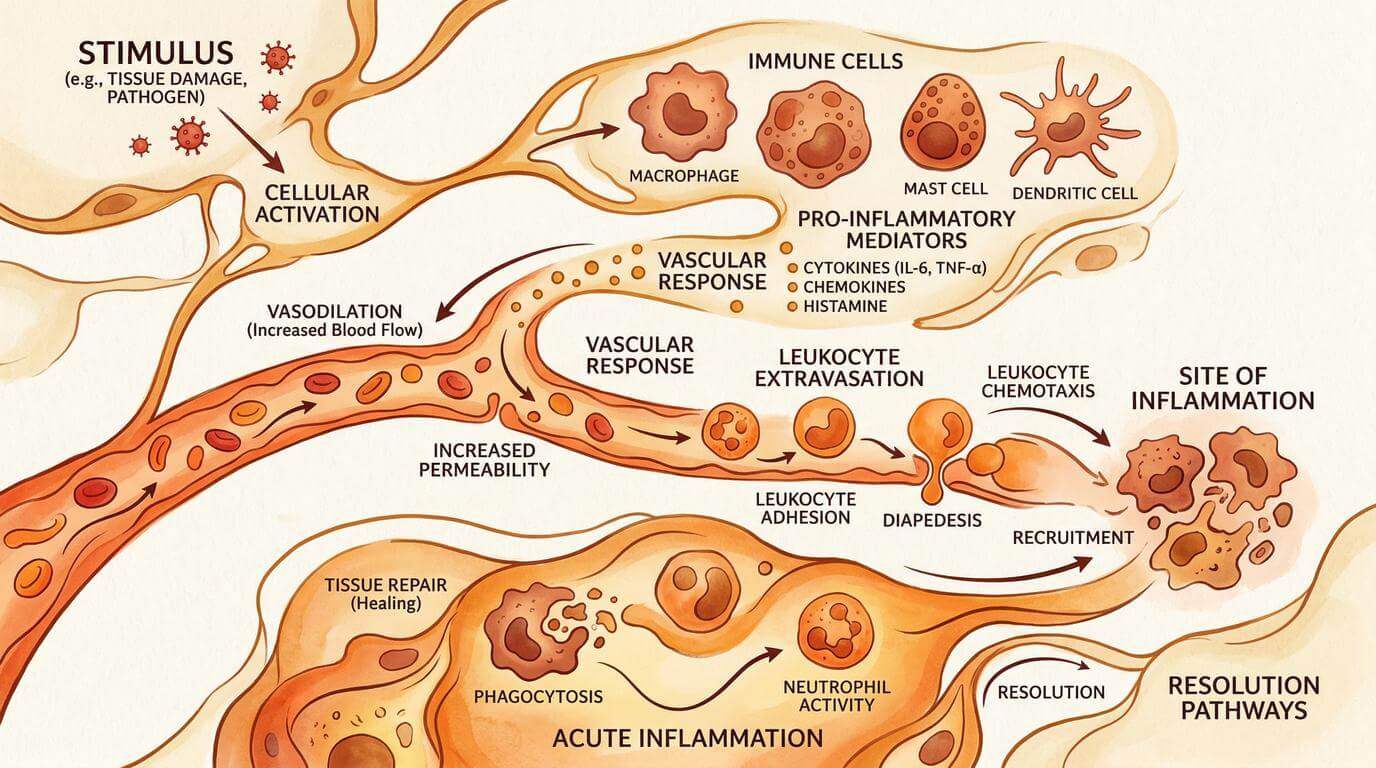
One of the most active areas of GLP-1 aging research involves the brain. Chronic neuroinflammation is both a hallmark of aging and a central mechanism in conditions like Alzheimer's disease and Parkinson's disease. Microglial cells (the brain's immune cells) become chronically activated with age, driving a cycle of inflammatory signaling that damages neurons over time.
Preclinical studies have shown that semaglutide can cross the blood-brain barrier and exert direct anti-inflammatory effects. A 2022 study published in *Aging and Disease* found that semaglutide blocked the conversion of astrocytes to a pro-inflammatory, neurotoxic phenotype (called A1 astrocytes) and attenuated blood-brain barrier disruption in a mouse model of neurological injury. [[2]](https://pubmed.ncbi.nlm.nih.gov/35656116/)
At the clinical level, the research community is now running large trials. The Evoke and Evoke+ studies are two ongoing phase 3 trials evaluating the effects of semaglutide on cognitive outcomes in people with early Alzheimer's disease. The trial design, published in *Alzheimer's Research and Therapy* in 2025, reflects the seriousness with which the research community takes GLP-1's neuroinflammatory potential. [[3]](https://pubmed.ncbi.nlm.nih.gov/39780249/)
These are randomized controlled trials, not retrospective observations. Their results are not yet available, but their existence signals a significant investment of scientific confidence in GLP-1's potential brain effects.
Cardiovascular Aging Markers
The SELECT trial, published in the *New England Journal of Medicine* in December 2023, enrolled over 17,000 adults with overweight or obesity and established cardiovascular disease but without diabetes. [[4]](https://pubmed.ncbi.nlm.nih.gov/37952131/) It found that semaglutide reduced major adverse cardiovascular events by 20 percent compared to placebo over a median follow-up of approximately 3.3 years.
For longevity researchers, the cardiovascular findings matter beyond the headline numbers. Cardiovascular disease is the leading cause of age-related death globally, and the mechanisms the SELECT trial revealed go beyond simple weight reduction. Participants lost body weight, but the cardiovascular benefit appeared to exceed what weight loss alone would predict, suggesting independent effects on vascular inflammation, endothelial function, and other cardiovascular aging markers.
A separate analysis published in *The Lancet* in September 2024 examined semaglutide specifically in people with heart failure with preserved ejection fraction (HFpEF), a condition strongly associated with aging and obesity. [[5]](https://pubmed.ncbi.nlm.nih.gov/39222642/) The findings supported improved physical function and reduced symptoms, adding to the picture of semaglutide's effects on the aging cardiovascular system.
Cellular Senescence Signals
Cellular senescence is one of the most direct bridges between GLP-1 research and aging biology. Senescent cells are cells that have stopped dividing but remain metabolically active, secreting a cocktail of pro-inflammatory molecules (the "senescence-associated secretory phenotype," or SASP) that damage surrounding tissue. The accumulation of senescent cells is a central mechanism in many age-related diseases.
A 2026 study published in *Dermatologic Surgery* examined skin biopsies from people taking systemic GLP-1 receptor agonists and found reduced epidermal expression of p21, a protein that is a key marker of cellular senescence. [[6]](https://pubmed.ncbi.nlm.nih.gov/42210884/) This is a small, preliminary finding, but it suggests that GLP-1 receptor activation may reduce senescent cell burden in peripheral tissues, a finding that warrants larger investigation.
On the molecular side, a 2026 paper in *Free Radical Biology and Medicine* demonstrated that semaglutide ameliorated aortic endothelial cell dysfunction in a sarcopenia model through activation of the SIRT1/cGAS-STING pathway. [[7]](https://pubmed.ncbi.nlm.nih.gov/41951015/) SIRT1 is a sirtuin (longevity-associated protein) that also plays a role in suppressing senescence-associated inflammation. The cGAS-STING pathway is one mechanism by which senescent cells signal inflammation. This study suggests semaglutide may modulate these pathways directly.
Systemic Inflammation and the Aging Body
Beyond specific senescence markers, the broader anti-inflammatory effects of semaglutide appear relevant to the aging phenotype. A 2026 review published in *Metabolism* synthesized the evidence on GLP-1's role in metabolic disorders, chronic inflammation, and aging, outlining multiple mechanisms by which GLP-1 receptor activation counters the inflammatory state that accelerates aging. [[8]](https://pubmed.ncbi.nlm.nih.gov/41672302/)
These include reductions in circulating inflammatory cytokines (IL-6, TNF-alpha), improvements in gut barrier function that reduce bacterial translocation and systemic endotoxemia, and modulation of macrophage activity that shifts immune cells away from a pro-inflammatory state.
Physical Function and Aging Biomarkers
A registered clinical study protocol, published in *JMIR Research Protocols* in 2024, describes a trial specifically designed to assess the effects of semaglutide on physical function, body composition, and biomarkers of aging in older adults. [[9]](https://pubmed.ncbi.nlm.nih.gov/39269759/) Outcomes include grip strength, lean mass preservation, walking speed, and inflammatory and metabolic markers associated with biological age. This reflects the direction research is heading: moving beyond weight loss endpoints toward aging-specific measurement frameworks.
---
What Semaglutide Probably Does Not Do for Aging
Epistemic honesty matters in longevity medicine, where hype often outpaces evidence. Here is what the current research does not support.
Semaglutide is not a life extension drug. No human trial has measured or demonstrated that semaglutide increases maximum lifespan. Cardiovascular risk reduction likely extends some people's lives, but that is different from slowing the fundamental rate of aging.
The anti-aging mechanisms are mostly preclinical. With the exception of cardiovascular trials, most of the cellular senescence, neuroinflammation, and epigenetic data comes from cell cultures, mouse models, or small observational studies. Mouse biology and human biology diverge in meaningful ways, particularly in longevity research.
Weight loss confounds the data. Because semaglutide causes weight loss, and because excess body weight accelerates multiple aging mechanisms, it is difficult to separate direct GLP-1 receptor effects on aging from indirect effects mediated by fat reduction. This is a genuine scientific challenge, not a reason to dismiss the research.
No biological age test has been validated in semaglutide trials. Some longevity clinics advertise that GLP-1 medications reduce "biological age" by several years. While epigenetic aging clock research is advancing rapidly, no large-scale validated human study has demonstrated a specific, quantified reduction in methylation age attributable to semaglutide. Claims of specific years of biological age reversal should be viewed with appropriate skepticism.
---
Semaglutide Compared to Other Longevity Strategies
For patients already interested in longevity medicine, semaglutide sits alongside a growing toolkit of interventions that research suggests may influence aging biology.
[Rapamycin](/resources/rapamycin-longevity-what-the-science-says), an mTOR inhibitor, has the strongest animal lifespan extension data of any compound studied. It extends lifespan in mice reliably, including when started late in life. Human trials are underway but results are not yet available for longevity endpoints.
[Metformin](/resources/metformin-anti-aging-what-the-research-says) activates AMPK, reduces inflammatory markers, and has epidemiological associations with better aging outcomes in diabetic patients compared to non-diabetic controls. The TAME (Targeting Aging with Metformin) trial is the definitive human trial currently running.
NAD+ precursors (NMN, NR) support mitochondrial function and have shown some benefit in small human trials, particularly for physical function in older adults, though lifespan data in humans is absent.
Where does semaglutide fit? It targets the metabolic-inflammatory axis more broadly than any of these compounds. It addresses body fat (a major driver of [inflammaging](/resources/inflammaging-chronic-inflammation-aging)), improves cardiovascular risk directly, and appears to reduce neuroinflammation independently of weight. For overweight or obese patients, it may address more aging-relevant pathways simultaneously than any current alternative.
What semaglutide lacks, compared to rapamycin and metformin, is robust mechanistic longevity data and a dedicated anti-aging trial. That gap is actively being closed by the research community.
---
Frequently Asked Questions
Does semaglutide slow aging?
Emerging research suggests semaglutide may affect several biological mechanisms associated with aging, including inflammation, cellular senescence signals, and cardiovascular biomarkers. However, no human trial has demonstrated that semaglutide slows aging as a primary outcome. Current evidence is promising but largely preclinical or derived from cardiovascular trials not designed to measure aging as an endpoint. This is not medical advice; consult your healthcare provider.
Is semaglutide approved for anti-aging or longevity?
No. Semaglutide is not FDA-approved for anti-aging or longevity purposes. FDA-approved uses include type 2 diabetes (Ozempic) and chronic weight management in adults with obesity or overweight with a weight-related condition (Wegovy). Any use for longevity is investigational and off-label.
Can semaglutide reduce biological age?
Some longevity researchers are investigating whether GLP-1 receptor agonists reduce biological age as measured by epigenetic clocks. A 2026 review in *Frontiers in Genetics* listed GLP-1 agonists among interventions with epigenetic aging-reduction potential. [[10]](https://pubmed.ncbi.nlm.nih.gov/42294499/) However, no large validated human trial has confirmed a specific reduction in biological age attributable to semaglutide. Claims of quantified biological age reversal should be evaluated critically.
How does semaglutide compare to rapamycin for longevity?
These act through very different mechanisms. Rapamycin inhibits mTOR (a growth-sensing pathway) and has the most robust animal lifespan extension data available. Semaglutide activates GLP-1 receptors, reducing metabolic-inflammatory burden. They are not directly comparable, and some longevity researchers speculate that they could eventually be studied in combination. Currently, neither has been approved or validated for human longevity extension.
Should I take semaglutide for anti-aging purposes?
That is a decision to make with your licensed healthcare provider, not based on this article. Semaglutide carries real benefits, including proven cardiovascular risk reduction, and real risks and side effects. The longevity research is compelling enough to follow closely but not yet definitive enough to serve as the primary justification for starting a medication. If you are already taking semaglutide for weight management, the emerging longevity data suggests potential additional benefits worth discussing with your provider.
---
The Bottom Line
Semaglutide was developed to lower blood sugar and reduce body weight. What researchers are discovering is that GLP-1 receptor activation reaches into aging biology in ways that were not originally anticipated. The signals from cardiovascular trials, neuroinflammation studies, cellular senescence research, and epigenetic investigations are converging on a picture of a medication that does more than reduce the number on a scale.
That picture is not complete. The human data for aging-specific outcomes remains limited, and much of the most intriguing evidence comes from preclinical settings. Significant trials, including the Evoke and Evoke+ Alzheimer's studies and dedicated aging biomarker protocols, are underway and will sharpen the picture considerably over the next few years.
What is clear is that semaglutide's biology is more interesting than weight loss alone. Whether it earns a formal place in the longevity medicine toolkit will depend on the evidence still being gathered.
---
*This content is not medical advice. Semaglutide is not FDA-approved for anti-aging or longevity purposes. Consult your licensed healthcare provider before starting or changing any medication.*
---
*Ready to learn more about your options? [Schedule a consultation](/get-started) with Prescriva's telehealth team to discuss whether a GLP-1 program makes sense for your health goals.*
---
Sources
- [GLP-1 receptor agonists in neurodegenerative diseases, Eur J Pharmacol 2023](https://pubmed.ncbi.nlm.nih.gov/36470445/)
- [Semaglutide attenuates blood-brain barrier disruption, Aging Dis 2022](https://pubmed.ncbi.nlm.nih.gov/35656116/)
- [Evoke and Evoke+ trial design, Alzheimers Res Ther 2025](https://pubmed.ncbi.nlm.nih.gov/39780249/)
- [SELECT trial: semaglutide and cardiovascular outcomes — N Engl J Med 2023](https://pubmed.ncbi.nlm.nih.gov/37952131/)
- [Semaglutide in HFpEF — Lancet 2024](https://pubmed.ncbi.nlm.nih.gov/39222642/)
- [Reduced p21 expression in GLP-1 receptor agonist users — Dermatol Surg 2026](https://pubmed.ncbi.nlm.nih.gov/42210884/)
- [Semaglutide, sarcopenia, and SIRT1/cGAS-STING — Free Radic Biol Med 2026](https://pubmed.ncbi.nlm.nih.gov/41951015/)
- [GLP-1 in chronic inflammation and aging: mechanisms — Metabolism 2026](https://pubmed.ncbi.nlm.nih.gov/41672302/)
- [Semaglutide on physical function and biomarkers of aging — JMIR 2024](https://pubmed.ncbi.nlm.nih.gov/39269759/)
- [Interventions decreasing epigenetic aging — Front Genet 2026](https://pubmed.ncbi.nlm.nih.gov/42294499/)
Stay informed
Weekly research updates and health guides. No spam.
References
- GLP-1 receptor agonists in neurodegenerative diseases, Eur J Pharmacol 2023. Published Research (2023).
- Semaglutide attenuates blood-brain barrier disruption, Aging Dis 2022. Published Research (2022).
- Evoke and Evoke+ trial design, Alzheimers Res Ther 2025. Published Research (2025).
- SELECT trial: semaglutide and cardiovascular outcomes — N Engl J Med 2023. Published Research (2023).
- Semaglutide in HFpEF — Lancet 2024. Published Research (2024).
- Reduced p21 expression in GLP-1 receptor agonist users — Dermatol Surg 2026. Published Research (2026).
- Semaglutide, sarcopenia, and SIRT1/cGAS-STING — Free Radic Biol Med 2026. Published Research (2026).
- GLP-1 in chronic inflammation and aging: mechanisms — Metabolism 2026. Published Research (2026).
- Semaglutide on physical function and biomarkers of aging — JMIR 2024. Published Research (2024).
- Interventions decreasing epigenetic aging — Front Genet 2026. Published Research (2026).
Ready to get started?
Check if you qualify for a personalized treatment plan.
Check Your Eligibility →