Inflammaging: How Chronic Low-Grade Inflammation Drives Aging
You have probably heard that inflammation is at the root of most chronic disease. What you may not know is that aging itself is an inflammatory process. Scientists have a name for this: inflammaging.
In this article
You have probably heard that inflammation is at the root of most chronic disease. What you may not know is that aging itself is an inflammatory process. Scientists have a name for this: inflammaging.
The term combines "inflammation" and "aging." It describes the low-grade, persistent, systemic inflammation that characterizes the aging body. Unlike the acute inflammation you feel when you injure your ankle or fight a viral infection, inflammaging is subtle, chronic, and runs quietly in the background for years or decades. It does not announce itself. It accumulates.
Understanding what inflammaging is, what drives it, and what the research shows about moderating it is one of the most useful frameworks available for thinking about how to age well.
*This article is for educational and informational purposes only. It does not constitute medical advice. Consult your healthcare provider before making significant changes to your diet, supplements, or health routine.*
---
What Is Inflammaging?
The concept was formally described by immunologist Claudio Franceschi and colleagues, who proposed that the aging process is accompanied by a pro-inflammatory state that increases risk for disease across virtually every major organ system. [[1]](https://pubmed.ncbi.nlm.nih.gov/30046148/)
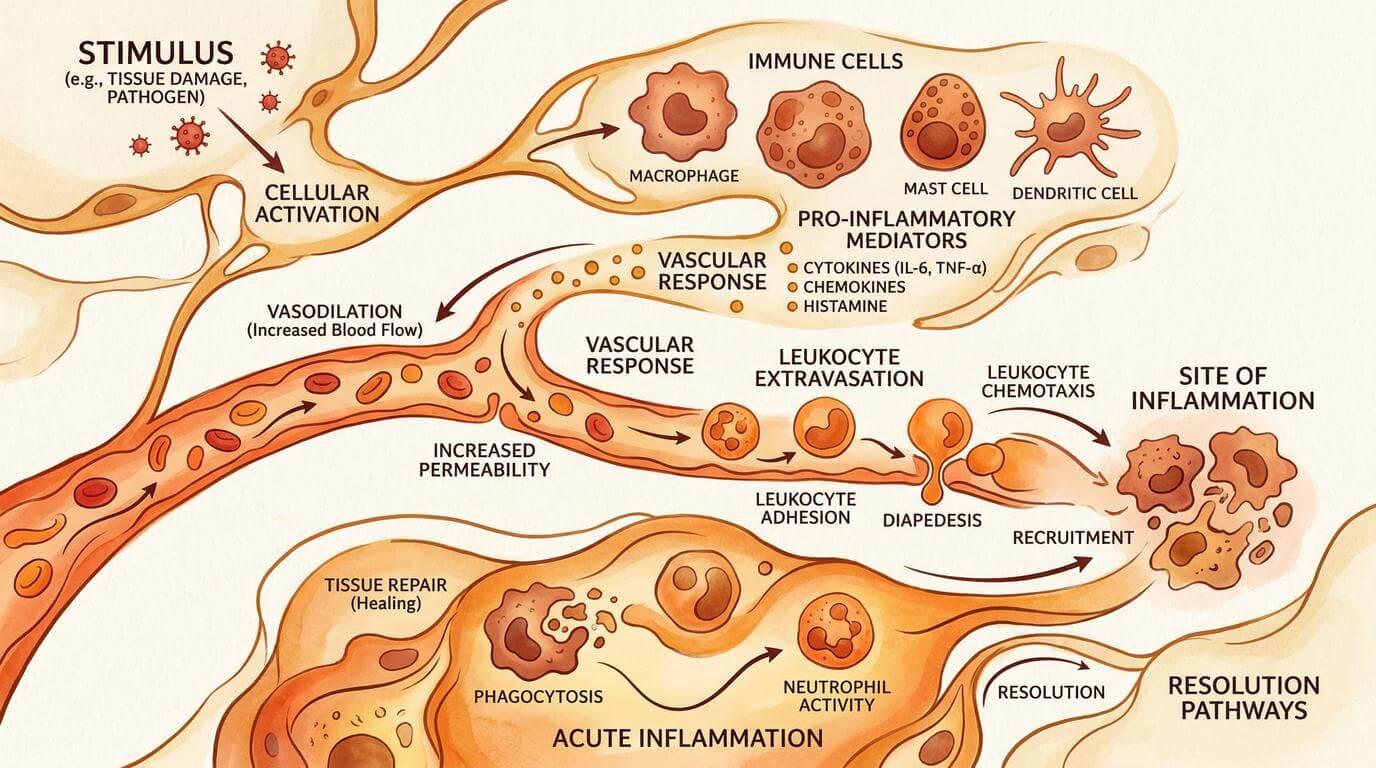
The inflammatory response is not inherently bad. It is one of your body's most powerful defense mechanisms. When you cut your finger, inflammation mobilizes immune cells, clears debris, and initiates healing. When you clear an infection, it eliminates the threat. Acute inflammation is purposeful, targeted, and self-limiting.
Inflammaging is different. It is low-level, systemic, and persistent. Inflammatory markers like interleukin-6 (IL-6), tumor necrosis factor-alpha (TNF-alpha), and C-reactive protein (CRP) tend to be measurably elevated in older adults compared to younger adults, even in the absence of acute illness or injury. [[2]](https://pubmed.ncbi.nlm.nih.gov/30065258/)
Researchers have found that this smoldering state of chronic inflammation is one of the strongest predictors of morbidity and mortality in older populations. It is associated with cardiovascular disease, type 2 diabetes, dementia, certain cancers, sarcopenia (muscle loss), frailty, and reduced resilience to physiological stress. [[2]](https://pubmed.ncbi.nlm.nih.gov/30065258/)
In short: inflammaging is not a side effect of aging. According to current evidence, it is a central mechanism driving how we age.
---
Where Does Inflammaging Come From?
The sources of age-related chronic inflammation are numerous and they interact with each other. Understanding them is the first step to addressing them.
Cellular Senescence
As cells accumulate damage over time, they stop dividing but do not die. These "senescent" cells secrete a cocktail of pro-inflammatory molecules called the senescence-associated secretory phenotype (SASP). As more cells enter senescence with age, the cumulative inflammatory signaling increases. Research into senolytics, compounds that selectively clear senescent cells, is an active area of [longevity research](/resources/science-of-longevity).
Declining Immune Regulation
Your immune system becomes less precise with age. A process called immunosenescence leads to a reduced ability to mount acute immune responses, while simultaneously allowing chronic low-level inflammation to go unchecked. The immune surveillance systems that normally keep inflammation in balance become less effective.
Gut Microbiome Changes
The composition of the gut microbiome shifts substantially with age. These changes, often called dysbiosis, are associated with increased intestinal permeability (colloquially called "leaky gut") and the translocation of bacterial components into the bloodstream. Bacterial lipopolysaccharides in circulation are potent drivers of systemic inflammation.
Research has confirmed that the gut microbiome composition in centenarians differs meaningfully from that in younger old adults, with distinct microbial signatures associated with lower inflammatory markers. [[1]](https://pubmed.ncbi.nlm.nih.gov/30046148/)
Mitochondrial Dysfunction
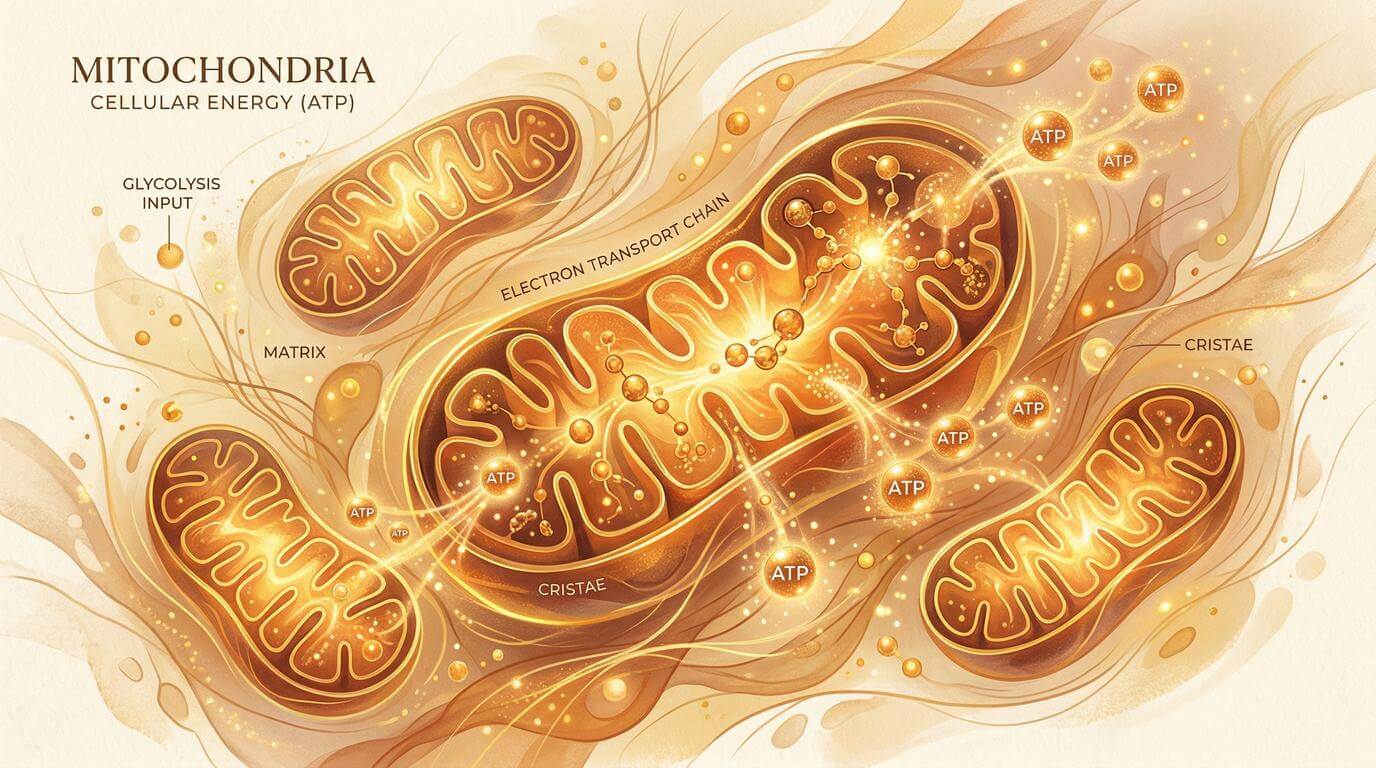
Mitochondria are the energy-producing organelles in nearly every cell. With age, mitochondrial function declines. Damaged mitochondria release reactive oxygen species (ROS) and trigger inflammatory signaling cascades. Maintaining mitochondrial health is an active focus of longevity research, including interest in NAD+ precursors, which support mitochondrial repair pathways.
Lifestyle and Environmental Exposures
Poor diet quality, physical inactivity, sleep disruption, chronic psychological stress, excess body fat, and environmental toxin exposure all contribute to the inflammatory burden. These factors are modifiable, which is why lifestyle research on inflammaging is both robust and clinically relevant.
---
Why Inflammaging Is a Problem Beyond "Normal Aging"
A common misconception is that inflammaging is just an inevitable consequence of getting older, not something to worry about or address. The data challenges this view.
Longitudinal studies show that individuals who maintain low inflammatory markers as they age tend to experience healthier aging trajectories. This includes better cognitive function, preserved muscle mass, lower rates of cardiovascular events, and longer healthspan (the period of life spent in good health). [[2]](https://pubmed.ncbi.nlm.nih.gov/30065258/)
The difference between individuals who age with chronically elevated inflammatory markers and those who do not is not purely genetic. Twin studies and population research suggest that lifestyle, environment, and habits account for a substantial portion of the variation in inflammatory status among older adults.
This is the practical implication: inflammaging is not entirely fixed. You have meaningful leverage over some of its drivers.
---
What the Research Shows About Reducing Inflammaging
The research on inflammaging modulation is large and growing. Here are the areas with the strongest evidence.
Dietary Patterns
Diet is one of the most studied and modifiable drivers of inflammaging. The Mediterranean dietary pattern has been consistently associated with lower inflammatory markers across multiple populations and study designs. Key components include high intake of olive oil, vegetables, legumes, whole grains, fish, and moderate wine consumption.
A systematic review published in *Ageing Research Reviews* found that dietary interventions targeting inflammaging through anti-inflammatory food patterns represent one of the most accessible and evidence-supported approaches to modulating age-related inflammatory status. [[3]](https://pubmed.ncbi.nlm.nih.gov/28899766/)
Specific dietary factors that research associates with lower inflammatory markers include:
- Omega-3 fatty acids (found in fatty fish, flaxseed, walnuts)
- Polyphenols (found in berries, olive oil, tea, dark chocolate)
- Dietary fiber (associated with gut microbiome diversity and lower inflammatory signaling)
- Reduced ultra-processed food intake
Physical Activity
Regular exercise is one of the most robust anti-inflammatory interventions documented in the research literature. The mechanism is partly direct: skeletal muscle releases anti-inflammatory cytokines called myokines during contraction. Exercise also reduces visceral adipose tissue, which is itself a major source of pro-inflammatory signaling.
Both aerobic exercise and resistance training have been shown to reduce inflammatory markers in older adults. Resistance training is particularly relevant because it counteracts sarcopenia, the age-related loss of muscle mass that both accelerates from and contributes to inflammaging.
Sleep Quality
Sleep is one of the most underappreciated anti-inflammatory interventions. During deep sleep, the brain clears metabolic waste through the glymphatic system, and inflammatory signaling that accumulated during waking hours is resolved. Chronic sleep disruption is associated with persistently elevated IL-6 and CRP levels.
Adults who consistently sleep less than six hours per night have measurably higher inflammatory markers than those sleeping seven to nine hours. This relationship holds even after adjusting for age, BMI, and other confounders.
Stress Reduction
Chronic psychological stress activates the hypothalamic-pituitary-adrenal (HPA) axis, leading to cortisol dysregulation and downstream immune activation. Practices that reduce the chronic stress response, including meditation, yoga, time in nature, and adequate social connection, have measurable effects on inflammatory biomarkers in several controlled studies.
Body Composition
Visceral adipose tissue is not metabolically inert. It is an active inflammatory organ, secreting pro-inflammatory cytokines including IL-6 and TNF-alpha. Reducing excess visceral fat, through dietary changes, exercise, or medically supervised programs, is one of the most direct ways to lower systemic inflammatory burden.
This is one reason why the metabolic benefits of GLP-1 receptor agonists extend beyond weight loss. By reducing visceral fat specifically, these medications appear to reduce inflammatory markers in addition to improving glycemic and cardiovascular parameters.
---
Emerging Research: Cellular and Molecular Approaches
Beyond lifestyle, research is exploring molecular interventions that target inflammaging mechanisms more directly.
NAD+ Precursors
NAD+ (nicotinamide adenine dinucleotide) is a coenzyme involved in mitochondrial energy production, DNA repair, and sirtuin activation. NAD+ levels decline significantly with age, and this decline is associated with increased mitochondrial dysfunction and inflammatory signaling.
Research in animal models and early human trials has examined whether replenishing NAD+ through precursors can modulate aspects of the aging process, including inflammatory regulation. This is an active and evolving area of research. Results are preliminary in humans, and this work remains at the research stage.
Research into NAD+ precursors as a potential strategy for supporting mitochondrial health and modulating aspects of the aging process is ongoing. This work remains at the research stage, and these compounds are not FDA-approved for anti-aging use. Consult your healthcare provider if you are interested in evidence-informed approaches to healthy aging.
Glutathione
Glutathione is the body's primary endogenous antioxidant. It plays a central role in neutralizing reactive oxygen species and modulating inflammatory responses. Glutathione levels decline with age. Maintaining adequate glutathione status is an area of active research interest in the context of inflammaging and oxidative stress.
Senolytic Research
As described earlier, senescent cells contribute substantially to inflammaging through SASP. The field of senolytics, compounds designed to selectively eliminate senescent cells, has generated significant research interest. Early-phase human trials are underway, and while results are preliminary, the mechanistic rationale is well-established.
---
Practical Takeaways
Inflammaging is real, measurable, and consequential. But it is not a fixed destination. The research supports several evidence-based approaches:
- Shift toward an anti-inflammatory dietary pattern (Mediterranean-style, high fiber, omega-3 rich)
- Maintain or begin regular exercise, including resistance training
- Prioritize sleep quality and duration (7-9 hours)
- Reduce chronic psychological stress through sustainable practices
- Manage body composition, particularly visceral fat
- Consider how targeted nutritional support fits into your overall approach
Explore Prescriva's [longevity programs](/longevity) for research-informed approaches to healthy aging.
*This article is for educational purposes only. It does not constitute medical advice, diagnosis, or treatment. Individual results vary. Consult a licensed healthcare provider before beginning any new supplement, medication, or health program.*
*NAD+ precursors, glutathione supplements, senolytic compounds, and other interventions discussed in this article are not FDA-approved for the treatment or prevention of aging, inflammation, or any disease. Research referenced is preliminary and should not be interpreted as clinical guidance.*
*All medical services, including prescribing, are provided by independently licensed healthcare providers. Prescriva LLC is a management services organization and does not practice medicine or make clinical decisions.*
---
Sources
- Franceschi C, Garagnani P, Parini P, Giuliani C, Santoro A. Inflammaging: a new immune-metabolic viewpoint for age-related diseases. *Nat Rev Endocrinol*. 2018;14(10):576-590. [PMID: 30046148](https://pubmed.ncbi.nlm.nih.gov/30046148/)
- Ferrucci L, Fabbri E. Inflammaging: chronic inflammation in ageing, cardiovascular disease, and frailty. *Nat Rev Cardiol*. 2018;15(9):505-522. [PMID: 30065258](https://pubmed.ncbi.nlm.nih.gov/30065258/)
- Calder PC, Bosco N, Bourdet-Sicard R, et al. Health relevance of the modification of low grade inflammation in ageing (inflammageing) and the role of nutrition. *Ageing Res Rev*. 2017;40:95-119. [PMID: 28899766](https://pubmed.ncbi.nlm.nih.gov/28899766/)
Stay informed
Weekly research updates and health guides. No spam.
References
- Franceschi C, Garagnani P, Parini P, Giuliani C, Santoro A. Inflammaging: a new immune-metabolic viewpoint for age-related diseases. Nat Rev Endocrinol (2018).
- Ferrucci L, Fabbri E. Inflammaging: chronic inflammation in ageing, cardiovascular disease, and frailty. Nat Rev Cardiol (2018).
- Calder PC, Bosco N, Bourdet-Sicard R, et al. Health relevance of the modification of low grade inflammation in ageing (inflammageing) and the role of nutrition. Ageing Res Rev (2017).
Ready to get started?
Check if you qualify for a personalized treatment plan.
Check Your Eligibility →