How Long Does Semaglutide Take to Work?
Most people notice reduced appetite within one to two weeks of starting semaglutide, but measurable weight loss typically becomes apparent between weeks four and eight. Peak results in clinical trials

In this article
Most people notice reduced appetite within one to two weeks of starting semaglutide, but measurable weight loss typically becomes apparent between weeks four and eight. Peak results in clinical trials were recorded at 68 weeks, with participants on the highest dose losing an average of 14.9% of their body weight. (PMID [33567185](https://pubmed.ncbi.nlm.nih.gov/33567185/))
The longer answer depends on which dose you are currently on, how your body responds to GLP-1 stimulation, and what changes you make to your diet and activity during treatment. Understanding each phase of the titration schedule helps you set accurate expectations and recognize genuine progress even when the scale feels slow to move.
*Compounded semaglutide is not FDA-approved. This article is for informational purposes only and does not constitute medical advice. Individual results vary significantly. Always follow the specific guidance of your licensed healthcare provider.*
---
How Semaglutide Works
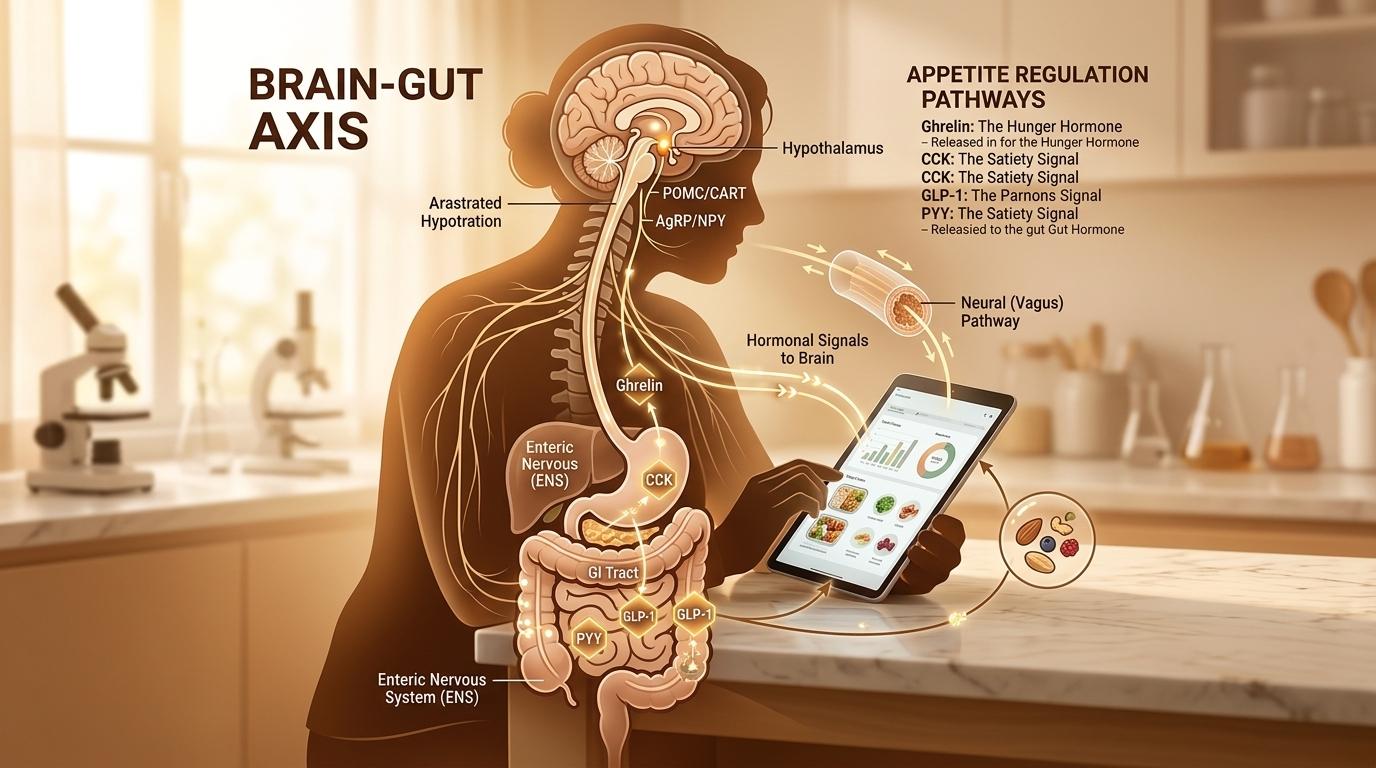
Semaglutide belongs to a class of medications called GLP-1 receptor agonists. [GLP-1](/resources/glp1-medications-addiction-cravings-research) is a hormone your gut naturally releases after eating; it signals the brain that you have had enough, slows the emptying of your stomach, and reduces appetite between meals.
When semaglutide binds to GLP-1 receptors in the hypothalamus (the brain's appetite control center), it extends and amplifies those satiety signals well beyond what a normal meal would trigger. The result is reduced hunger, earlier fullness, and a meaningful reduction in overall caloric intake without requiring willpower-based restraint.
Because semaglutide works through this hormonal pathway, the effects accumulate as doses increase. A lower starting dose triggers these receptors gently. A higher therapeutic dose sustains the signal more strongly. That is why the timeline for results maps almost directly onto the [dose escalation schedule](/resources/semaglutide-dosing-schedule-titration-guide).
---
The Semaglutide Dose Escalation Schedule
Semaglutide for weight management follows a gradual titration protocol. This is not optional pacing: starting at the full therapeutic dose would cause significant gastrointestinal side effects in most people. The schedule below reflects the standard titration used in clinical trials and most licensed weight management programs.
| Phase | Dose | Duration |
|---|---|---|
| Starting phase | 0.25 mg | Weeks 1-4 |
| First therapeutic step | 0.5 mg | Weeks 5-8 |
| Increasing dose | 1 mg | Weeks 9-12 |
| Approaching full dose | 1.7 mg | Weeks 13-16 |
| Maintenance dose | 2.4 mg | Week 17 onward |
---
Weeks 1-4: The Starting Dose (0.25 mg)
The 0.25 mg starting dose is a tolerability dose, not a weight loss dose. Its sole purpose is to let your digestive system adapt to GLP-1 receptor activation, particularly the slower gastric emptying that gives semaglutide its satiety effect but also causes the nausea and bloating some people experience early in treatment.
What to expect during weeks 1-4:
- Appetite suppression: subtle to nonexistent for most people
- GI side effects: mild nausea, occasional bloating, loose stools, or constipation are common, particularly in the first few days after each injection
- Weight change: minimal for most people, though some experience modest loss as even a small reduction in hunger shifts eating behavior
---
Weeks 5-8: First Therapeutic Dose (0.5 mg)
The jump from 0.25 mg to 0.5 mg is often where people feel semaglutide's effects for the first time in a meaningful way. At this dose, GLP-1 receptor activation becomes more sustained, and appetite suppression moves from subtle to genuinely noticeable.
What commonly shifts at this phase:
- Hunger between meals decreases more distinctly
- Portion sizes feel sufficient sooner during meals
- Interest in food, particularly high-calorie foods, often declines
- Early weight loss typically appears on the scale for the first time
---
Weeks 9-12: Moving to 1 mg
By the 1 mg phase, most people on semaglutide can clearly feel the medication working. Appetite suppression is more consistent across the full week between injections, and caloric intake has typically dropped meaningfully compared to baseline.
What tends to characterize this phase:
- Consistent reduction in daily caloric intake without conscious restriction
- Reduced food preoccupation, including fewer cravings
- Steady weight loss accumulating from the 0.5 mg phase
- GI side effects, if they occurred at all, are usually mild or absent at a dose the body has been building toward for several months
---
Weeks 13-16: 1.7 mg Phase
The 1.7 mg dose is the penultimate step before reaching the full 2.4 mg maintenance dose. Most people at this stage are experiencing meaningful, measurable weight loss and have found a manageable routine around their weekly injection.
Two things worth watching during this phase:
- Another potential bump in GI tolerance as you adapt to 1.7 mg
- Some people hit an early weight loss plateau here as the body adjusts to the lower caloric intake at a new, lower setpoint
---
Weeks 17 and Beyond: Maintenance Dose (2.4 mg)
At 2.4 mg, you are at the dose used in the landmark STEP clinical trials. This is where the clinical data shows the most dramatic effects on both weight and appetite.
From the STEP 1 trial (68 weeks total): participants on 2.4 mg semaglutide lost an average of 14.9% of their body weight, compared to 2.4% for placebo. Nearly 7 in 10 participants (69.1%) achieved at least a 10% reduction in body weight. (PMID [33567185](https://pubmed.ncbi.nlm.nih.gov/33567185/))
A two-year follow-up study (STEP 5) found that these results were sustained and continued to build with time. At 104 weeks, participants maintained an average weight loss of 15.2% of body weight. (PMID [36216945](https://pubmed.ncbi.nlm.nih.gov/36216945/))
What the data makes clear: semaglutide is not a short-course intervention. The medication reaches its full potential over many months, and people who stay on treatment consistently see compounding benefits well past the six-month mark.
---
What Happens If You Stop
Understanding what happens when semaglutide is discontinued matters for setting long-term expectations.
The STEP 4 trial enrolled participants who had already completed a 20-week semaglutide run-in phase, then randomly assigned them to continue on 2.4 mg or switch to placebo. Those who continued semaglutide kept losing weight over the following 48 weeks. Those who switched to placebo regained most of their lost weight. (PMID [33755728](https://pubmed.ncbi.nlm.nih.gov/33755728/))
This pattern reflects the underlying biology: semaglutide does not cure the conditions driving obesity. It modulates the GLP-1 signaling that influences appetite and energy intake. When the medication is stopped, those signals return to their prior baseline.
This is not a reason to avoid the medication. It is a reason to discuss long-term treatment strategy with your provider from the start, so that the decisions made about duration and discontinuation are planned and deliberate.
---
Factors That Affect Your Personal Timeline
Two people on the same [dose escalation schedule](/resources/semaglutide-dosing-schedule-titration-guide) may see very different results at the same checkpoint. Several variables influence how quickly semaglutide produces visible effects for you specifically:
Starting weight. People with higher starting weights often see larger absolute weight losses earlier, even if percentage changes track similarly. A 15% reduction from 280 lbs is different from the same percentage from 180 lbs.
Diet during treatment. Semaglutide reduces appetite; it does not override caloric physics. People who eat in alignment with their reduced hunger lose weight faster than those who compensate by eating calorie-dense foods in smaller quantities. Your provider or a registered dietitian can help you optimize what you are eating for the conditions semaglutide creates.
Physical activity. Exercise during treatment has dual benefits: it preserves lean muscle mass (which protects metabolic rate) and accelerates fat loss. Clinical guidelines consistently recommend combining GLP-1 therapy with regular physical activity.
Dose tolerance. People who need extended time at lower doses due to GI sensitivity will reach the full therapeutic dose later. That does not mean worse outcomes. It means a longer ramp-up, with results building more gradually.
Individual biology. GLP-1 receptor expression and sensitivity vary between people. Some individuals respond strongly at 0.5 mg. Others see limited appetite effects until they reach 1.7 mg or higher. These differences are biological, not a matter of effort or compliance.
---
If It Feels Like Semaglutide Is Not Working
The most common reason people conclude semaglutide is not working is evaluating the medication before it has had the opportunity to reach a therapeutic dose. If you are in the first eight weeks, on 0.25 mg or 0.5 mg, the absence of dramatic results is not a signal that the medication will not work. It is a signal that you are in the ramp-up phase.
A few scenarios worth raising with your provider:
- GI side effects are severe enough to prevent you from reaching the next dose level. Your provider can extend the current phase or adjust timing strategies to help you escalate.
- You have been at 2.4 mg for 12 or more weeks with minimal weight change. This is rare, but some people require additional evaluation of factors like thyroid function, medications that affect weight, or significant dietary compensatory behaviors.
- You lost weight initially and have plateaued. Some degree of plateau is normal, but prolonged stalls warrant a conversation about optimizing lifestyle factors alongside the medication.
---
The Bottom Line
Semaglutide works gradually, by design. The [dose escalation schedule](/resources/semaglutide-dosing-schedule-titration-guide) that feels slow in the early weeks is the same protocol that produced 14.9% average weight loss in the STEP 1 trial and 15.2% at two years in STEP 5. The timeline is not a bug in the design. It is how the medication achieves durable, tolerable results.
Most people feel the medication meaningfully in weeks five through eight. Most begin seeing consistent weight loss at weeks eight through sixteen. Full clinical benefit at the maintenance dose continues building through month twelve and beyond.
If you are considering medically supervised weight management with semaglutide, a licensed provider can evaluate your health history, walk you through what to expect based on your individual profile, and guide treatment from the starting dose to your long-term goals.
*This article is for informational purposes only and does not constitute medical advice. Compounded semaglutide is not FDA-approved. Results shown in clinical trials were conducted with pharmaceutical-grade semaglutide; compounded medications are prepared by licensed 503A compounding pharmacies and have not undergone the same clinical testing. Individual results vary. Consult your licensed healthcare provider before starting any medication or making changes to your health routine. Prescriva LLC is a management services organization and does not practice medicine or make clinical decisions.*
---
References
- Wilding JPH, Batterham RL, Calanna S, et al. Once-Weekly Semaglutide in Adults with Overweight or Obesity. N Engl J Med. 2021;384(11):989-1002. [PMID 33567185](https://pubmed.ncbi.nlm.nih.gov/33567185/)
- Garvey WT, Batterham RL, Bhatta M, et al. Two-year effects of semaglutide in adults with overweight or obesity: the STEP 5 trial. Nat Med. 2022;28(10):2083-2091. [PMID 36216945](https://pubmed.ncbi.nlm.nih.gov/36216945/)
- Rubino DM, Greenway FL, Khalid U, et al. Effect of Continued Weekly Subcutaneous Semaglutide vs Placebo on Weight Loss Maintenance in Adults With Overweight or Obesity: The STEP 4 Randomized Clinical Trial. JAMA. 2021;325(14):1414-1425. [PMID 33755728](https://pubmed.ncbi.nlm.nih.gov/33755728/)
Stay informed
Weekly research updates and health guides. No spam.
Ready to get started?
Check if you qualify for a personalized treatment plan.
Check Your Eligibility →Continue reading

GLP-1 Medications After Bariatric Surgery: What the Research Shows About Weight Regain

Tirzepatide and Birth Control: What You Need to Know About Oral Contraceptives