GLP-1 Medications for Women: Hormones, PCOS, and Weight Loss
GLP-1 for women offers benefits that extend well beyond weight loss, with evidence showing improvements in hormonal balance, menstrual regularity, fertility markers, and symptoms of polycystic ovary s

In this article
GLP-1 for women offers benefits that extend well beyond weight loss, with evidence showing improvements in hormonal balance, menstrual regularity, fertility markers, and symptoms of polycystic ovary syndrome.
*This article is for informational purposes only. It is not medical advice. Consult a licensed healthcare provider before starting any medication or treatment program.*
---
If you have spent years doing everything right and still struggling to lose weight, you are not imagining it. For many women, the deck is genuinely stacked differently.
Hormones shape how your body stores fat, responds to food, and regulates appetite. Estrogen, progesterone, testosterone, and insulin interact in ways that make weight management more complicated for women than standard calorie-counting advice tends to acknowledge. Add PCOS, perimenopause, or menopause into the picture, and the challenge compounds.
GLP-1 medications like semaglutide and tirzepatide have changed what is possible for weight management. But many women want to understand whether these medications work within the specific context of their hormonal health, not just in the abstract. This article answers that question directly, with evidence behind every claim.
---
Why Weight Loss Works Differently for Women
Weight management is not the same physiological experience across sexes. Several hormonal factors create real differences in how women gain, store, and lose weight.
Estrogen and fat distribution. Estrogen encourages fat storage in the hips and thighs during reproductive years. This fat pattern is metabolically less risky than abdominal fat, but the redistribution that happens when estrogen declines changes the picture. As estrogen falls during perimenopause and menopause, fat tends to shift toward the abdomen, which is more metabolically active and more closely linked to insulin resistance.
Monthly hormonal fluctuations. Throughout the menstrual cycle, progesterone and estrogen levels rise and fall. These shifts affect appetite, cravings, and water retention in measurable ways. Many women report stronger food cravings in the luteal phase (the two weeks before a period), which is driven partly by progesterone and partly by modest increases in cortisol. This is biology, not willpower.
Thyroid function. Women are five to eight times more likely than men to develop thyroid disorders, and hypothyroidism reduces metabolic rate and makes weight loss harder. Thyroid issues are worth ruling out before attributing weight struggles to behavior alone.
Insulin sensitivity across the lifespan. Estrogen actually has an insulin-sensitizing effect during reproductive years. As estrogen declines, insulin sensitivity tends to decrease. This means women in perimenopause and beyond may find that foods and habits that worked before no longer produce the same results.
None of these factors mean that GLP-1 medications will not work for women. In fact, they help explain why GLP-1 medications can be particularly effective for women dealing with these specific challenges.
---
How GLP-1 Medications Work, and Why the Mechanism Matters for Women
GLP-1 (glucagon-like peptide-1) is a hormone your gut naturally produces after eating. It prompts the pancreas to release insulin in response to blood sugar, slows the rate at which the stomach empties, and signals satiety centers in the brain to reduce appetite. It also reduces what patients describe as "food noise": the near-constant mental preoccupation with food that makes dieting exhausting.
Semaglutide is a GLP-1 receptor agonist that mimics and extends this signal for much longer than your body's natural GLP-1 would. Tirzepatide activates both GLP-1 and GIP receptors simultaneously, offering a dual-pathway effect.
For women specifically, three aspects of this mechanism are particularly relevant:
Insulin sensitization. By reducing the insulin load required to manage blood sugar, GLP-1 medications address insulin resistance directly. This matters for women with PCOS and for women in perimenopause, both of whom frequently contend with worsening insulin resistance as a driver of weight gain.
Central appetite regulation. GLP-1 receptors are present in the brain's appetite control centers, including the hypothalamus. The reduction in food noise is not just about feeling full after meals. It is a shift in baseline hunger and craving intensity. For women who experience cycle-related cravings or stress-driven eating, this central effect can be significant.
Visceral fat reduction. Studies consistently show that GLP-1 medications reduce visceral fat, the abdominal fat that accumulates with declining estrogen and worsening insulin resistance. This is not just cosmetic. Visceral fat is metabolically active in ways that increase cardiovascular risk and worsen insulin resistance.
---
Clinical Evidence: Do GLP-1 Medications Work for Women?
Yes, and the evidence is strong.
The landmark STEP 1 trial, published in the *New England Journal of Medicine* in 2021, enrolled 1,961 adults without diabetes to test semaglutide 2.4 mg for weight management. Approximately 75% of participants were women. After 68 weeks, participants on semaglutide lost a mean of 14.9% of their body weight, compared to 2.4% in the placebo group. The female-dominant enrollment makes this the most directly applicable large-scale trial for women considering GLP-1 treatment.
(Wilding JPH et al. "Once-Weekly Semaglutide in Adults with Overweight or Obesity." *N Engl J Med.* 2021;384(11):989-1002. PMID: [33567185](https://pubmed.ncbi.nlm.nih.gov/33567185/))
The SURMOUNT-1 trial for tirzepatide, published in the *New England Journal of Medicine* in 2022, enrolled 2,539 participants, with approximately 68% women. At the highest dose (15 mg), participants lost a mean of 20.9% of body weight. This remains among the largest weight reductions seen in any GLP-1 trial to date.
(Jastreboff AM et al. "Tirzepatide Once Weekly for the Treatment of Obesity." *N Engl J Med.* 2022;387(3):205-216. PMID: [35658024](https://pubmed.ncbi.nlm.nih.gov/35658024/))
These trials did not break out results separately for women versus men in their primary publications, but the majority-female enrollment means the aggregate results reflect female biology closely.
---
GLP-1 Medications and PCOS
PCOS affects an estimated 10% of women of reproductive age, making it the most common endocrine disorder in this population. Despite how widespread it is, its management has changed little in decades: lifestyle changes, metformin, and oral contraceptives to control symptoms.
GLP-1 medications are changing that picture.
Why PCOS Makes Weight Loss Harder
The core of PCOS is a hormonal loop that works against weight loss at nearly every step. Insulin resistance, which is present in 50 to 80% of women with PCOS regardless of body weight, causes the pancreas to produce excess insulin. High insulin then drives the ovaries to overproduce androgens (male hormones like testosterone), which disrupts ovulation, promotes central fat storage, and blunts the hormonal signals that regulate appetite.
PCOS also blunts leptin sensitivity in many patients. Leptin is the hormone that signals fullness to the brain. When leptin signaling is impaired, the brain does not register adequate satiety, making it genuinely harder to eat less and feel satisfied.
Many women with PCOS report doing everything right on paper and still not losing weight. Their experience is biologically accurate, not a failure of effort.
How GLP-1 Medications Address the PCOS Loop
GLP-1 medications target several parts of this cycle simultaneously. By improving insulin sensitivity and reducing circulating insulin, they lower the insulin signal driving androgen excess. Weight loss itself then further reduces androgen levels, creating a positive feedback loop rather than a vicious one. Menstrual regularity often improves with 5 to 10% body weight reduction, as the hormonal environment normalizes.
The research on GLP-1 medications in PCOS has grown substantially. A 2023 study in the *Journal of Clinical Medicine* followed 27 obese women with PCOS who had not responded to lifestyle programs. After six months on semaglutide, responsive patients lost a mean of 11.5 kg, 80% normalized their menstrual cycles, and 80% of those with impaired fasting glucose saw normalization of those levels. (Carmina E, Longo RA. *J Clin Med.* 2023;12(18):5921. PMID: [37762862](https://pubmed.ncbi.nlm.nih.gov/37762862/))
A 2024 meta-analysis pooling data from four randomized controlled trials found that GLP-1 receptor agonists significantly reduced waist circumference, BMI, and testosterone levels compared to placebo in women with PCOS and obesity. (De Hollanda Morais BAA et al. *J Diabetes Complications.* 2024. PMID: [39178623](https://pubmed.ncbi.nlm.nih.gov/39178623/))
One important clarification: semaglutide is not FDA-approved for PCOS. Prescribing it for PCOS is off-label use, meaning a provider is making a clinical judgment based on the evidence, not following a formal FDA indication. The research supports that judgment for many patients, but that context matters.
For a deeper dive into the PCOS-specific research, see the dedicated article: [Semaglutide for PCOS: What the Research Shows](/resources/semaglutide-for-pcos).

---
GLP-1 Medications During Perimenopause and Menopause
The hormonal shifts of menopause create a metabolic environment where weight gain becomes harder to prevent and weight loss becomes harder to achieve, even without changing diet or exercise habits.
Estrogen decline redistributes fat from the hips and thighs to the abdomen. This visceral fat is metabolically active in ways that increase insulin resistance, raise inflammation markers, and elevate cardiovascular risk. Metabolic rate also slows as muscle mass decreases with age, and caloric needs drop while appetite hormones do not always adjust proportionally.
GLP-1 medications directly address the insulin resistance and appetite regulation components of this equation. The visceral fat that accumulates in the abdomen is preferentially reduced by GLP-1 treatment, which is particularly relevant for postmenopausal women.
Postmenopausal women were included in the STEP and SURMOUNT trials, and the clinical evidence does not suggest reduced effectiveness in this population. A 2022 analysis of liraglutide (an earlier GLP-1 medication) in postmenopausal women found significant reductions in visceral adiposity and improvements in metabolic markers. (Santilli F et al. *Nutr Metab Cardiovasc Dis.* 2022. PMID: [35589461](https://pubmed.ncbi.nlm.nih.gov/35589461/))
Hormone Replacement Therapy and GLP-1 Medications
Women using hormone replacement therapy (HRT) are not contraindicated from GLP-1 medications. Many providers use both together, and no significant interaction between them has been identified in the clinical literature. If you are on HRT and considering a GLP-1 medication, this is worth discussing with your provider, but it is not a barrier.
Bone density is worth monitoring in postmenopausal women on GLP-1 medications, as significant weight loss can reduce bone mass. Weight-bearing exercise is particularly important during treatment to preserve lean mass and bone density.
---
Contraceptive Considerations
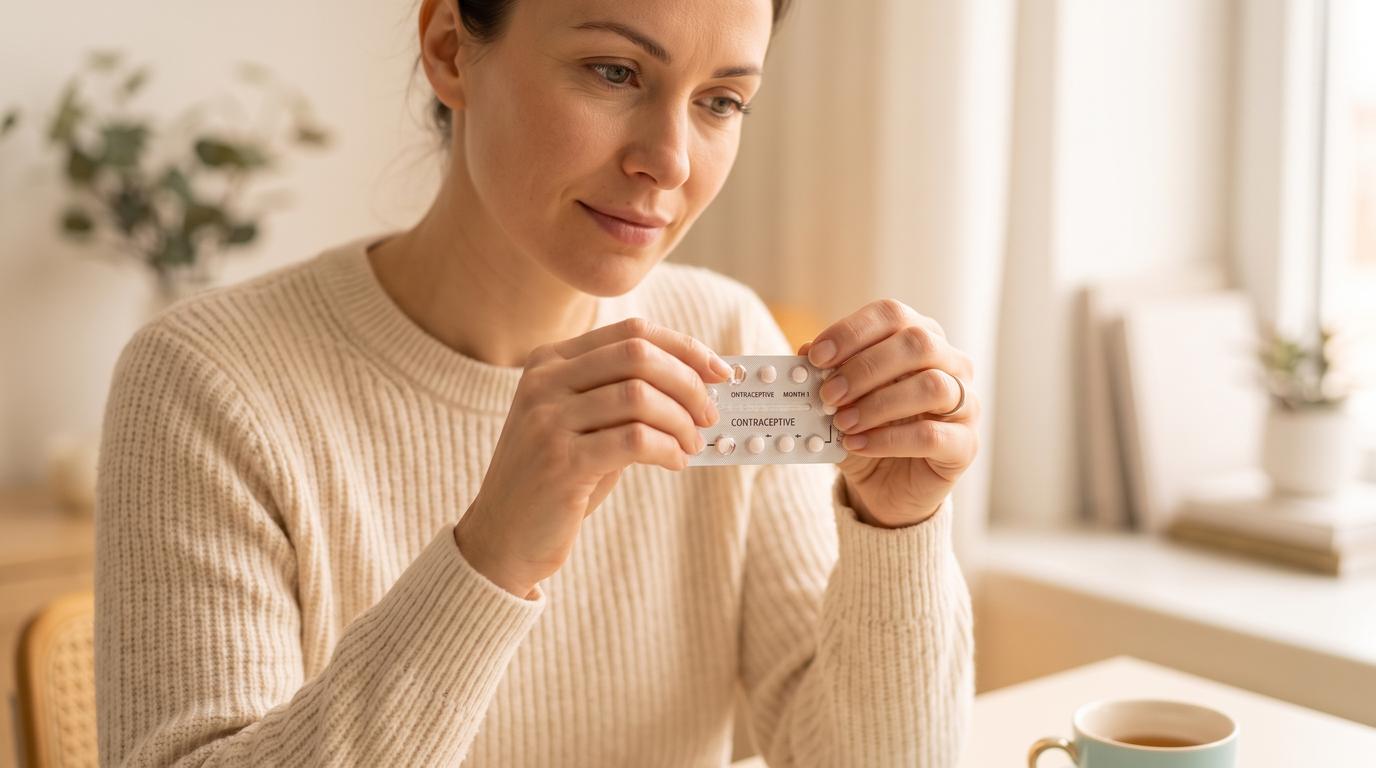
One practical consideration that does not get enough attention: GLP-1 medications slow gastric emptying, which affects how oral medications are absorbed.
The FDA prescribing information for both Ozempic and Wegovy includes guidance that women taking oral contraceptives may need backup contraception for four weeks after starting the medication and for four weeks after each dose increase. Alternatively, switching to a non-oral contraceptive (patch, ring, IUD, implant) avoids this concern entirely.
This does not mean oral contraceptives stop working. It means absorption timing changes enough that the standard backup precaution applies during the adjustment period. Your prescribing provider should be aware of all medications you are taking, including contraceptives.
IUDs, implants, patches, and vaginal rings are not affected by gastric emptying and do not require any adjustment.
---
Pregnancy and Breastfeeding
This section is brief but non-negotiable.
Do not use GLP-1 medications if you are pregnant, breastfeeding, or planning to become pregnant in the near term.
Semaglutide and other GLP-1 receptor agonists are contraindicated during pregnancy. Animal studies have demonstrated embryo-fetal toxicity at doses relevant to human treatment. Human safety data is limited, but what is known is concerning enough that pregnancy is a clear contraindication. The FDA advises that semaglutide should be discontinued at least two months before a planned pregnancy to allow adequate washout.
If you become pregnant while on a GLP-1 medication, discontinue immediately and contact your provider.
This is especially relevant for women with PCOS, where improving metabolic health and menstrual regularity on GLP-1 treatment may restore fertility. If pregnancy is a possibility or a goal, robust contraception and an explicit conversation with your provider are essential before starting treatment.
---
Food Noise, Emotional Eating, and Hormonal Cravings
Women report disproportionately high rates of emotional eating, stress-related food seeking, and cycle-driven cravings. These are not character flaws. They reflect the intersection of hormonal biology (cortisol, ghrelin, estrogen, progesterone) with the brain circuits that drive appetite and reward-seeking.
One of the most commonly reported effects of GLP-1 medications is the silencing of "food noise": the near-constant mental pull toward food that many chronic dieters experience as a kind of background noise in daily life. Patients frequently describe this as the most meaningful change, separate from weight loss itself.
Research supports this. A 2023 study in the journal *Obesity* found that semaglutide significantly reduced food cue reactivity and the cognitive preoccupation with food, beyond its effects on physical hunger. (Friedrichsen M et al. *Obes Sci Pract.* 2021. PMID: [34401132](https://pubmed.ncbi.nlm.nih.gov/34401132/))
GLP-1 medications are not a substitute for mental health support, and they are not designed to treat eating disorders. But for women who have struggled with cycle-related cravings or stress-driven eating, the central appetite regulation effects may be meaningfully different from what they have experienced with previous weight management approaches.
---
Frequently Asked Questions
Does semaglutide work differently for women than men?
The mechanism is the same. GLP-1 receptors are not sex-specific. Women made up roughly 75% of STEP trial participants, and the results reflect that female biology. There are no data suggesting women respond less effectively. Hormonal factors like PCOS and menopause may actually make the insulin-sensitizing and visceral fat-reducing effects more relevant for many women.
Can I take semaglutide if I have PCOS?
If you meet standard eligibility criteria (BMI of 30 or higher, or BMI of 27 or higher with a qualifying comorbidity), a provider may prescribe semaglutide for weight management. PCOS itself is not an FDA indication, but the research supports its use in this population, and many providers consider it clinically appropriate. This is a decision to make with your provider based on your full health history.
Is semaglutide safe during menopause?
There are no contraindications related to menopause. Postmenopausal women were included in major clinical trials. If you are on HRT, discuss the combination with your provider, but it is generally not a barrier. Bone density monitoring and weight-bearing exercise are recommended during treatment for women at risk for bone loss.
Will semaglutide affect my birth control?
If you take oral contraceptives, FDA guidance recommends using backup contraception for four weeks when starting semaglutide and when doses increase, or switching to a non-oral contraceptive method. This is a precaution related to gastric emptying, not a drug interaction. Non-oral methods (IUD, implant, patch, ring) are unaffected.
Can semaglutide help with hormonal weight gain?
It addresses two of the key drivers of hormonal weight gain: insulin resistance and appetite dysregulation. It will not alter estrogen levels, fix thyroid dysfunction, or replace the work of addressing underlying hormonal conditions. But for the weight that accumulates because of insulin resistance and impaired appetite signaling, GLP-1 medications have a direct mechanism of action.
---
Talking to a Provider
The hormonal picture is different for every woman. PCOS, perimenopause, menopause, thyroid history, contraceptive use, and reproductive goals all factor into whether a GLP-1 medication is appropriate for you and how it should be managed.
At Prescriva, every assessment is reviewed by a licensed provider who can look at your full picture before making a prescribing decision. There is no pressure and no assumption that medication is the right answer for everyone.
[Start a free assessment at Prescriva.](/assessment)
---
Disclaimer
*GLP-1 receptor agonists, including semaglutide and tirzepatide, are not FDA-approved for PCOS, perimenopause, menopause, or hormonal weight gain. Use in these contexts is off-label. Compounded semaglutide and compounded tirzepatide are not the same as branded medications and are not FDA-approved. Compounded medications are prepared by licensed compounding pharmacies under separate regulatory oversight. Results vary between individuals. This article is for informational purposes only and does not constitute medical advice. Consult your licensed healthcare provider before starting any new medication or making changes to an existing treatment plan. Do not use GLP-1 medications during pregnancy or while breastfeeding.*
---
Sources
- Wilding JPH et al. "Once-Weekly Semaglutide in Adults with Overweight or Obesity." *N Engl J Med.* 2021;384(11):989-1002. PMID: [33567185](https://pubmed.ncbi.nlm.nih.gov/33567185/)
- Jastreboff AM et al. "Tirzepatide Once Weekly for the Treatment of Obesity." *N Engl J Med.* 2022;387(3):205-216. PMID: [35658024](https://pubmed.ncbi.nlm.nih.gov/35658024/)
- Carmina E, Longo RA. "Semaglutide Treatment of Excessive Body Weight in Obese PCOS Patients Unresponsive to Lifestyle Programs." *J Clin Med.* 2023;12(18):5921. PMID: [37762862](https://pubmed.ncbi.nlm.nih.gov/37762862/)
- De Hollanda Morais BAA et al. "The efficacy and safety of GLP-1 agonists in PCOS women living with obesity." *J Diabetes Complications.* 2024. PMID: [39178623](https://pubmed.ncbi.nlm.nih.gov/39178623/)
- Santilli F et al. "Liraglutide reduces visceral and pericardial fat in postmenopausal women." *Nutr Metab Cardiovasc Dis.* 2022. PMID: [35589461](https://pubmed.ncbi.nlm.nih.gov/35589461/)
- Friedrichsen M et al. "The effect of semaglutide 2.4 mg once weekly on energy intake, appetite, control of eating, and gastric emptying in adults with obesity." *Diabetes Obes Metab.* 2021. PMID: [34401132](https://pubmed.ncbi.nlm.nih.gov/34401132/)
Stay informed
Weekly research updates and health guides. No spam.
References
- Wilding JPH et al. "Once-Weekly Semaglutide in Adults with Overweight or Obesity." *N Engl J Med.* 2021;384(11):989-1002. PMID: 33567185. Published Research (2021).
- Jastreboff AM et al. "Tirzepatide Once Weekly for the Treatment of Obesity." *N Engl J Med.* 2022;387(3):205-216. PMID: 35658024. Published Research (2022).
- Carmina E, Longo RA. "Semaglutide Treatment of Excessive Body Weight in Obese PCOS Patients Unresponsive to Lifestyle Programs." *J Clin Med.* 2023;12(18):5921. PMID: 37762862. Published Research (2023).
- De Hollanda Morais BAA et al. "The efficacy and safety of GLP-1 agonists in PCOS women living with obesity." *J Diabetes Complications.* 2024. PMID: 39178623. Published Research (2024).
- Santilli F et al. "Liraglutide reduces visceral and pericardial fat in postmenopausal women." *Nutr Metab Cardiovasc Dis.* 2022. PMID: 35589461. Published Research (2022).
- Friedrichsen M et al. "The effect of semaglutide 2.4 mg once weekly on energy intake, appetite, control of eating, and gastric emptying in adults with obesity." *Diabetes Obes Metab.* 2021. PMID: 34401132. Published Research (2021).
Ready to get started?
Check if you qualify for a personalized treatment plan.
Check Your Eligibility →Continue reading

GLP-1 Medications After Bariatric Surgery: What the Research Shows About Weight Regain
Tirzepatide and Birth Control: What You Need to Know About Oral Contraceptives