GLP-1 Medications and Brain Health: What the Research Says About Memory and Cognitive Function
GLP-1 brain health research has expanded rapidly, with investigators exploring whether semaglutide and tirzepatide can reduce neuroinflammation, support cognitive function, and lower the risk of neuro

In this article
GLP-1 brain health research has expanded rapidly, with investigators exploring whether semaglutide and tirzepatide can reduce neuroinflammation, support cognitive function, and lower the risk of neurodegenerative disease.
*Compounded semaglutide and compounded tirzepatide are not FDA-approved. This article is for educational and informational purposes only and does not constitute medical advice. Clinical data referenced here reflects studies of FDA-approved pharmaceutical compounds unless otherwise noted. Individual results vary. Consult your licensed healthcare provider before starting, stopping, or adjusting any medication. Care at Prescriva is delivered by independently licensed providers, not by Prescriva LLC, which is a management services organization.*
---
Within the first few weeks of a GLP-1 program, many people notice something that surprises them. The weight starts to move, yes. But they also feel sharper. Less foggy. More present in their conversations and their work.
It sounds anecdotal. And for a while, researchers treated it that way.
That's changing.
GLP-1 receptor agonists, the class of medications that includes semaglutide and tirzepatide, are showing up in an unexpected place: brain health research. Scientists studying Alzheimer's disease, neurodegeneration, and cognitive aging are now actively investigating whether these compounds do something meaningful for the brain, not just the body.
Here is what the current evidence shows, what it does not yet prove, and why it matters if you are managing your weight with GLP-1 therapy.
---
Why Brain Health and Weight Are Deeply Connected
Before getting to the medications, it helps to understand why this research matters in the first place.
Obesity is not just a metabolic issue. Excess body fat, particularly [visceral fat](/resources/glp1-medications-visceral-fat-research) stored around the organs, drives chronic low-grade inflammation throughout the body. That inflammation does not stay contained. Inflammatory cytokines and other signaling molecules reach the brain, affecting the hippocampus (the region most critical to memory and learning) and disrupting normal neural function.
A 2026 systematic review and meta-analysis published in *Obesity Reviews* examined body weight variability and its association with dementia and cognitive decline across cohort studies. The findings reinforced a well-established pattern: excess weight and significant weight fluctuations are linked to poorer cognitive outcomes over time (PMID [41327538](https://pubmed.ncbi.nlm.nih.gov/41327538/)).
This means weight loss itself may reduce cognitive risk, through reduced systemic inflammation, better blood sugar regulation, and improved cardiovascular function, all of which support brain health.
GLP-1 medications work in part through these same pathways. But the research now suggests they may also act more directly.
---
GLP-1 Receptors Are Found Throughout the Brain
Most people think of GLP-1 receptors as being in the gut and pancreas, where the hormone regulates insulin secretion and digestion. That is accurate. But it is only part of the picture.
GLP-1 receptors are expressed widely throughout the central nervous system, including the hippocampus, hypothalamus, brainstem, and cortical regions involved in executive function and decision-making. In the gut-brain axis, GLP-1 signals help coordinate appetite regulation, satiety, and reward processing.
This anatomical reality has prompted a straightforward question: if GLP-1 receptors are present in brain regions critical to memory and cognition, what happens when you activate them with a pharmaceutical compound?
That question is driving some of the most exciting research in neurology right now.
---
What Preclinical Research Shows
Animal studies offer a first look at the mechanisms.
A 2026 study published in *Tissue and Cell* examined what happened when semaglutide was administered to rodents on a high-fat diet. The results were notable: semaglutide treatment reversed high-fat-diet-induced hippocampal microglial activation and improved cognitive dysfunction in the animals (PMID [41916100](https://pubmed.ncbi.nlm.nih.gov/41916100/)).
Microglial activation is a key driver of neuroinflammation. Microglia are the brain's resident immune cells. When they become chronically activated, as they do in response to obesity-related metabolic stress, they contribute to the neural damage seen in conditions like Alzheimer's disease.
The finding that semaglutide could reduce this activation in the hippocampus, and that this corresponded with measurable improvements in cognitive performance, opened the door to larger questions about human implications.
As with all animal research, direct translation to humans requires clinical trials. But the mechanistic plausibility established in preclinical models has fueled a significant expansion of human research.
---
The Human Research: From Observations to Clinical Trials
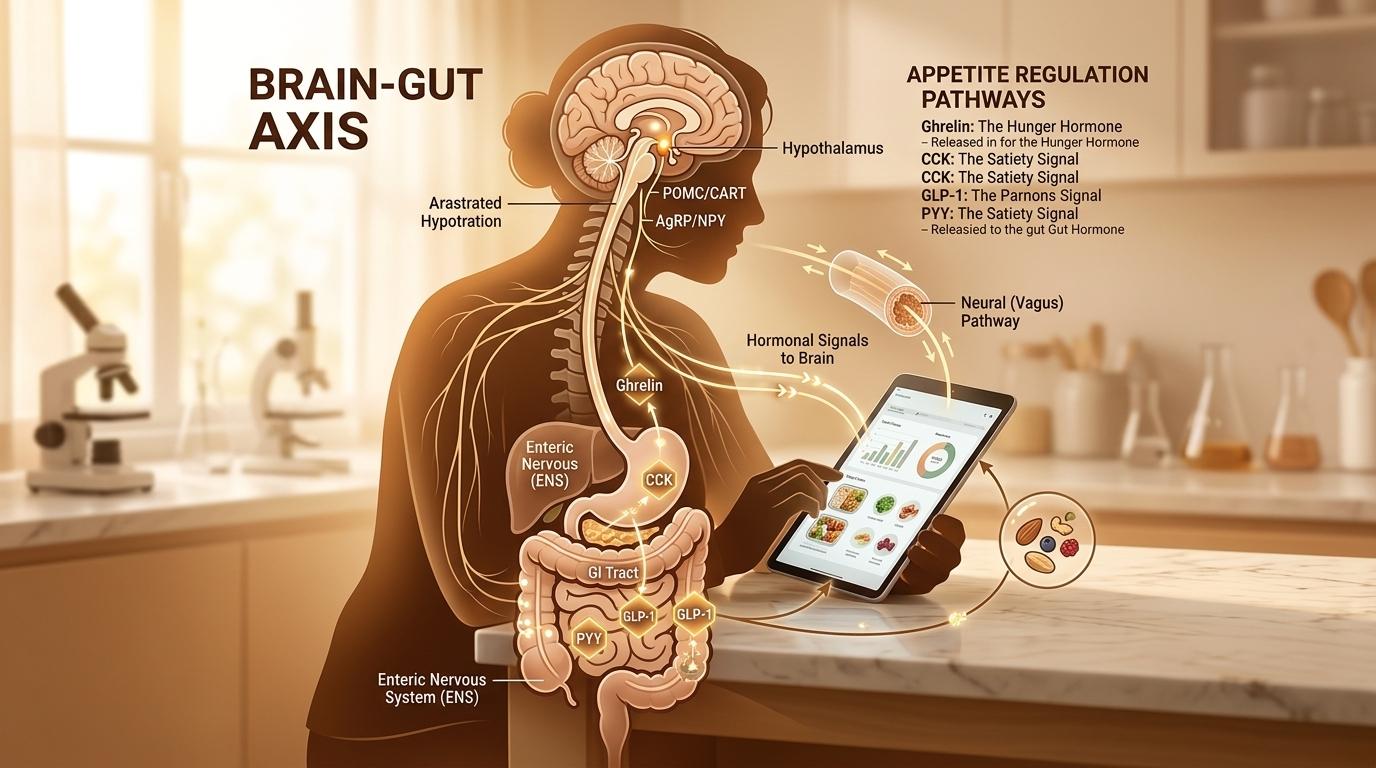
*GLP-1 receptors in the brain may play a role beyond appetite regulation, according to emerging research.*
The human evidence base for GLP-1 medications and brain health has grown substantially in the past two years.
A 2025 comprehensive review published in the *Journal of Alzheimer's Disease Reports* analyzed the growing body of epidemiological and mechanistic data connecting GLP-1 receptor agonists to dementia risk reduction, finding biological plausibility across multiple pathways including neuroinflammation, amyloid processing, and [insulin resistance](/resources/glp1-medications-insulin-resistance) in the brain (PMID [40370762](https://pubmed.ncbi.nlm.nih.gov/40370762/)).
A 2026 review in the *Journal of Clinical Investigation* examined the broader promise of GLP-1 receptor agonists for neurodegenerative diseases, including Parkinson's disease and Alzheimer's, synthesizing animal and human data and highlighting the compounds' potential neuroprotective mechanisms (PMID [41697753](https://pubmed.ncbi.nlm.nih.gov/41697753/)).
A separate 2026 systematic review in *Molecular and Cellular Neuroscience* focused specifically on GLP-1 receptor agonists and Alzheimer's pathophysiology, examining how these compounds may affect amyloid-beta accumulation, tau phosphorylation, synaptic function, and neuroinflammatory cascades (PMID [42014236](https://pubmed.ncbi.nlm.nih.gov/42014236/)).
These reviews are a scientific foundation. The most significant milestone, however, came from a large-scale human trial.
The EVOKE Trials
In March 2026, *The Lancet* published results from the EVOKE and EVOKE+ trials: two Phase 3, randomized, placebo-controlled trials testing oral semaglutide 14 mg in people with early-stage symptomatic Alzheimer's disease. The trials were led by researchers including Jeffrey Cummings and Henrik Zetterberg, two of the most prominent Alzheimer's scientists in the world (PMID [41865758](https://pubmed.ncbi.nlm.nih.gov/41865758/)).
This is the most rigorous human trial to date examining a GLP-1 compound in a neurological disease context. The trials used branded oral semaglutide at a specific dose and formulation studied specifically for cognitive outcomes, which is distinct from the injectable semaglutide used in weight management and from compounded semaglutide.
Compounded semaglutide is not FDA-approved for any indication, including Alzheimer's disease or any cognitive condition. The EVOKE trial does not establish that GLP-1 therapy for weight loss prevents or treats cognitive decline.
What the EVOKE publication represents is a major scientific signal: GLP-1 receptors in the brain are meaningful targets, and pharmaceutical researchers are now dedicating Phase 3 resources to understanding them. That is a significant statement about the scientific community's confidence in the underlying biology.
---
The Neuroinflammation Connection
One of the most important threads connecting weight management and brain health is inflammation.
Obesity drives systemic inflammation through multiple mechanisms: elevated circulating free fatty acids, adipokine dysregulation, insulin resistance, and gut microbiome changes that increase gut permeability. These inflammatory signals reach the central nervous system and activate the brain's immune responses.
GLP-1 receptor agonists appear to reduce systemic inflammation. Studies show improvements in [inflammatory markers](/resources/glp1-medications-inflammation-research) like C-reactive protein (CRP) and interleukin-6 (IL-6) in people using these medications for weight management. Reduced systemic inflammation means less inflammatory burden on the brain.
This is one reason why the cognitive improvements people notice on GLP-1 programs may have multiple explanations: direct receptor activation in the brain, reduced peripheral inflammation, improved blood sugar control (the brain is highly sensitive to glycemic variability), better sleep from resolving sleep apnea, and the downstream effects of meaningful weight loss.
---
What About Brain Fog?
Brain fog is not a medical diagnosis. But it describes something real: difficulty with focus, word retrieval, mental clarity, and cognitive fatigue that many people living with excess weight and metabolic dysregulation experience regularly.
The overlap between metabolic disease, chronic inflammation, sleep disruption, and cognitive symptoms is well-documented. When you address those underlying drivers, as GLP-1 programs often do, the cognitive improvements can feel dramatic.
Published research examining neurological complications in people with metabolic disease has consistently found that improving metabolic control correlates with improved cognitive markers (PMID [37231200](https://pubmed.ncbi.nlm.nih.gov/37231200/)). While this work focused on diabetic populations, the mechanisms, including reduced oxidative stress, better cerebral blood flow, and lower inflammatory burden, are relevant across the spectrum of obesity-related metabolic disease.
---
Important Framing: What This Does Not Mean
The research above is genuine and promising. It is also important to be clear about what it does not establish.
Compounded GLP-1 medications are not treatments for cognitive decline or Alzheimer's disease. The EVOKE trial used a specific branded formulation at a dose studied for neurological purposes. That research cannot be applied to compounded semaglutide or tirzepatide used for weight management.
This research does not mean GLP-1 weight loss therapy prevents dementia. The science is at a stage where mechanisms are being understood and trials are underway. Clinical guidelines for dementia prevention have not changed.
Individual results vary significantly. Cognitive symptoms have many causes. Not everyone using GLP-1 therapy for weight management will notice cognitive changes, and those who do may be experiencing effects related to weight loss, sleep improvement, or metabolic correction rather than direct neurological effects of the medication.
Your licensed healthcare provider is the right person to talk to about any cognitive concerns you have, and to help you understand how your overall health trajectory may be affecting your brain.
---
Why This Research Matters for Your Health Journey
Here is the practical takeaway: the same reasons you might pursue a medically supervised weight management program are closely connected to long-term brain health.
Maintaining a healthier body weight reduces systemic inflammation. Improved insulin sensitivity supports brain glucose metabolism. Better sleep, less metabolic stress, and lower cardiovascular risk all contribute to cognitive resilience as you age.
[GLP-1 programs](/resources/who-qualifies-for-glp1-medications) address all of these factors. The emerging brain health research adds another dimension to an already compelling story: the biology of these medications is proving to be more far-reaching than anyone initially understood.
The science is still developing. But the direction it is pointing is worth paying attention to.
---
Getting Started
If you are interested in medically supervised weight management with a GLP-1 medication, Prescriva connects you with licensed healthcare providers who can evaluate whether treatment is appropriate for your individual circumstances. Our compounding pharmacy partners prepare medications based on patient-specific prescriptions.
Compounded semaglutide and tirzepatide are not FDA-approved. All treatment decisions are made by independently licensed providers after individual medical evaluation.
[Start your free consultation today.](/quiz)
---
*This article is for educational purposes only and does not constitute medical advice. Compounded semaglutide and compounded tirzepatide are not FDA-approved. Consult your licensed healthcare provider before starting, stopping, or changing any medication. Results vary by individual. Prescriva LLC is a management services organization and does not provide medical services directly.*
---
References
- HasanRashedi M, et al. The Association Between Body Weight Variability and Dementia and Cognitive Decline. *Obes Rev.* 2026 Apr. PMID 41327538. [https://pubmed.ncbi.nlm.nih.gov/41327538/](https://pubmed.ncbi.nlm.nih.gov/41327538/)
- Gong H, et al. Semaglutide treatment reverses HFD induced hippocampal microglia activation and improves cognitive dysfunction. *Tissue Cell.* 2026 Mar. PMID 41916100. [https://pubmed.ncbi.nlm.nih.gov/41916100/](https://pubmed.ncbi.nlm.nih.gov/41916100/)
- Chuansangeam M, et al. Exploring the link between GLP-1 receptor agonists and dementia: A comprehensive review. *J Alzheimers Dis Rep.* 2025. PMID 40370762. [https://pubmed.ncbi.nlm.nih.gov/40370762/](https://pubmed.ncbi.nlm.nih.gov/40370762/)
- Athauda D, et al. The promise of GLP-1 receptor agonists for neurodegenerative diseases. *J Clin Invest.* 2026 Feb. PMID 41697753. [https://pubmed.ncbi.nlm.nih.gov/41697753/](https://pubmed.ncbi.nlm.nih.gov/41697753/)
- Corcoran E, et al. The effects of GLP-1 receptor agonists on Alzheimer's pathophysiology: A systematic review. *Mol Cell Neurosci.* 2026 Apr. PMID 42014236. [https://pubmed.ncbi.nlm.nih.gov/42014236/](https://pubmed.ncbi.nlm.nih.gov/42014236/)
- Cummings JL, et al. Efficacy and safety of oral semaglutide 14 mg in early-stage symptomatic Alzheimer's disease (EVOKE and EVOKE+). *Lancet.* 2026 Mar. PMID 41865758. [https://pubmed.ncbi.nlm.nih.gov/41865758/](https://pubmed.ncbi.nlm.nih.gov/41865758/)
Stay informed
Weekly research updates and health guides. No spam.
References
- HasanRashedi M, et al. The Association Between Body Weight Variability and Dementia and Cognitive Decline. Obes Rev. (2026).
- Gong H, et al. Semaglutide treatment reverses HFD induced hippocampal microglia activation and improves cognitive dysfunction. Tissue Cell. (2026).
- Chuansangeam M, et al. Exploring the link between GLP-1 receptor agonists and dementia: A comprehensive review. J Alzheimers Dis Rep. (2025).
- Athauda D, et al. The promise of GLP-1 receptor agonists for neurodegenerative diseases. J Clin Invest. (2026).
- Corcoran E, et al. The effects of GLP-1 receptor agonists on Alzheimer's pathophysiology: A systematic review. Mol Cell Neurosci. (2026).
- Cummings JL, et al. Efficacy and safety of oral semaglutide 14 mg in early-stage symptomatic Alzheimer's disease (EVOKE and EVOKE+). Lancet. (2026).
Ready to get started?
Check if you qualify for a personalized treatment plan.
Check Your Eligibility →Continue reading

GLP-1 Medications After Bariatric Surgery: What the Research Shows About Weight Regain

Tirzepatide and Birth Control: What You Need to Know About Oral Contraceptives