GLP-1 Medications and Gut Health: What the Research Says
[GLP-1 medications](/resources/what-are-glp1-medications-complete-guide) like [semaglutide](/resources/how-does-semaglutide-work) and tirzepatide are reshaping how we think about weight loss and metab

In this article
[GLP-1 medications](/resources/what-are-glp1-medications-complete-guide) like [semaglutide](/resources/how-does-semaglutide-work) and tirzepatide are reshaping how we think about weight loss and metabolic health. But one aspect of these medications gets less attention than it deserves: the gut is not just a bystander. It is a central participant in how these medications work, and the relationship runs in both directions.
New research shows that GLP-1 receptor agonists alter the composition of your gut microbiome. And separately, the microbes already living in your gut affect how much GLP-1 your body naturally produces. Understanding this two-way relationship can help you make sense of the digestive side effects many people experience when starting these medications, and why simple steps like prioritizing fiber and staying hydrated may support your results over time.
*Compounded semaglutide and tirzepatide are not FDA-approved. Prescriva is a management services organization; clinical care is provided by independently licensed healthcare practitioners. This article is for educational purposes only and does not constitute medical advice. Results vary by individual. Consult your licensed healthcare provider before starting or adjusting any treatment.*
---
Where GLP-1 Comes From: Your Gut Is Already Involved
GLP-1 stands for glucagon-like peptide-1. It is a hormone your body makes naturally, primarily in specialized cells in the lining of the small intestine and colon called L-cells. These cells sense the presence of food and release GLP-1 in response, signaling to the pancreas to produce insulin, slowing the rate at which the stomach empties, and sending fullness signals to the brain.
This is the same mechanism that GLP-1 receptor agonist medications mimic. Semaglutide and tirzepatide act on GLP-1 receptors throughout the body, producing more sustained and potent versions of the effects your gut naturally generates after a meal.
A comprehensive 2021 review by McLean, Wong, and Campbell published in *Endocrine Reviews* ([PMID: 33320179](https://pubmed.ncbi.nlm.nih.gov/33320179/)) described in detail how GLP-1 acts not just in the pancreas but throughout the gastrointestinal tract, the nervous system, and the brain. The gut, in this model, is not simply where the medication goes. It is where GLP-1's story begins.
---
How GLP-1 Medications Affect the Gut
When you take semaglutide or tirzepatide, the most immediate effects are gastrointestinal. These medications slow gastric emptying, meaning food moves more slowly from your stomach into the small intestine. This contributes to the sense of fullness they are known for, but it also explains many of the digestive side effects that are most common in the early weeks of treatment.
Nausea is the most frequently reported GI side effect. Constipation and, less commonly, diarrhea also occur. A 2025 systematic review with meta-analysis by Sillassen and colleagues, published in *BMC Medicine* ([PMID: 41286875](https://pubmed.ncbi.nlm.nih.gov/41286875/)), confirmed that GI adverse effects are the most common category of side effects associated with semaglutide, while generally being mild to moderate in severity and decreasing over time as the body adjusts.
These effects are not random. They are mechanistic. When stomach emptying slows and intestinal motility changes, the digestive tract needs time to recalibrate. For most people, the first four to eight weeks are the most challenging period, and side effects tend to diminish as the body acclimates.
---
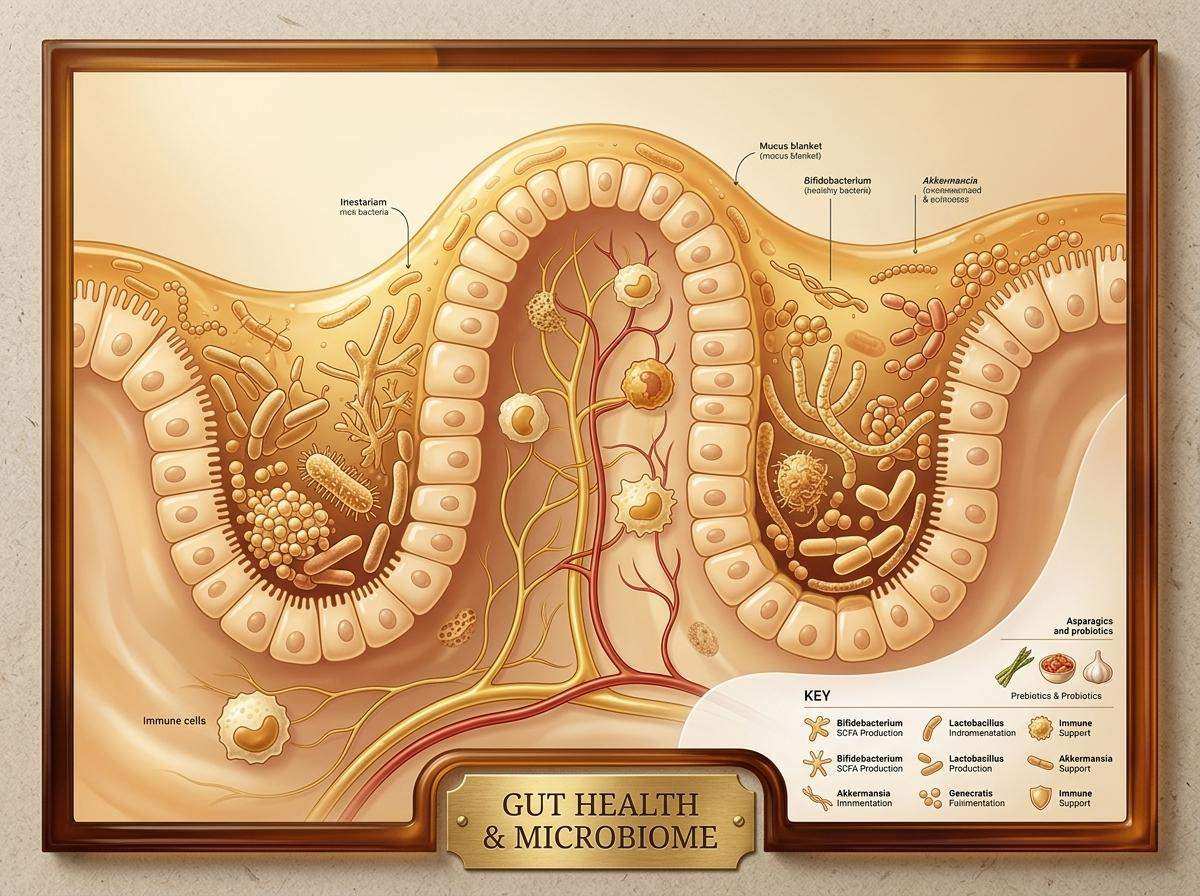
The Gut Microbiome Connection
The gut microbiome refers to the trillions of bacteria, fungi, and other microorganisms that live in your digestive tract. These microbes play roles in digestion, immune function, and metabolic health. And according to emerging research, they are directly involved in GLP-1 dynamics.
A 2026 review by Kamath, Chan, and Joyce published in the *British Journal of Clinical Pharmacology* ([PMID: 41703894](https://pubmed.ncbi.nlm.nih.gov/41703894/)) specifically examined this relationship, describing it as bidirectional: GLP-1 receptor agonists alter the gut microbiome, and the gut microbiome in turn affects how much GLP-1 the body produces and how L-cells function.
This is a relatively new area of investigation. Earlier research focused primarily on how these medications affected blood sugar and body weight. The more nuanced picture of gut microbiome involvement is still being worked out, but several patterns have begun to emerge.
---
What Happens to the Microbiome on Semaglutide
A 2025 study by Chen, Shan, and Wang examined the gut microbiota of patients with Type 2 diabetes who were taking semaglutide on top of metformin ([PMID: 41132642](https://pubmed.ncbi.nlm.nih.gov/41132642/)). The researchers found that semaglutide treatment was associated with changes in microbiome composition, including shifts in the relative abundance of certain bacterial species.
While the specific changes observed varied between individuals, a broader pattern across multiple studies is that GLP-1 receptor agonists tend to increase bacteria associated with metabolic health while reducing populations associated with inflammation and insulin resistance. Whether these microbiome changes contribute to the metabolic benefits of these medications, or simply reflect secondary changes driven by weight loss and dietary shifts, is an open question that researchers are actively investigating.
What is increasingly clear is that the microbiome is not a passive observer of GLP-1 treatment. It responds to it.
---
How Your Microbiome Influences GLP-1 Response
The relationship also runs in the other direction. Certain bacteria appear to stimulate GLP-1 secretion from gut L-cells, and disruptions in those populations may blunt the body's natural GLP-1 response.
*Akkermansia muciniphila* has received particular attention in this area. A 2025 study by Arukha and colleagues in *Nutrients* ([PMID: 40806100](https://pubmed.ncbi.nlm.nih.gov/40806100/)) investigated how this bacteria species affects GLP-1 and insulin secretion. *Akkermansia* is a gut bacterium associated with metabolic health and gut barrier integrity, and its abundance tends to be lower in people with obesity and Type 2 diabetes.
Lactobacillus species have also been studied for their role in supporting L-cell function. A 2026 study published in *Probiotics and Antimicrobial Proteins* ([PMID: 40366615](https://pubmed.ncbi.nlm.nih.gov/40366615/)) found that a component of *Lactobacillus rhamnosus GG* improved GLP-1 secretion by supporting L-cell health and modulating gut microbiota composition in an obesity model.
These findings do not mean that taking probiotics will replace or significantly boost GLP-1 medications. The effects described are much smaller in magnitude than pharmacological doses. But they do suggest that the health of your gut environment may influence baseline GLP-1 sensitivity and response, which is one more reason why gut health deserves attention alongside medication management.
---
L-Cells and Why Gut Inflammation Matters
The L-cells that produce natural GLP-1 are not fixed in number or function. Research published in *Cellular and Molecular Gastroenterology and Hepatology* in 2026 by Urbauer and colleagues ([PMID: 41047099](https://pubmed.ncbi.nlm.nih.gov/41047099/)) found that reduced numbers of GLP-1-producing cells in the intestine were associated with an inflammation-related metabolic signature in the gut lining.
This is relevant because chronic low-grade gut inflammation is common in people with obesity and metabolic dysfunction. If that inflammation is affecting the L-cells that produce GLP-1, it may be contributing to the impaired natural GLP-1 secretion seen in metabolic disease. One reason GLP-1 medications work for so many people with these conditions is that they bypass this impairment entirely, providing GLP-1 receptor stimulation regardless of how many L-cells are functioning.
Reducing gut inflammation through diet and lifestyle, while using medication to restore GLP-1 receptor signaling, may address the problem from both directions.
---
---
Supporting Your Gut While on GLP-1 Medication
Given what the research shows about this bidirectional relationship, there are practical steps worth considering. These are not substitutes for your medication or medical guidance, but they may support a healthier gut environment during treatment.
Prioritize Fiber
Dietary fiber is the primary fuel for beneficial gut bacteria, including the *Akkermansia* and *Lactobacillus* species linked to healthy GLP-1 dynamics. Aim for a variety of fiber sources: vegetables, legumes, whole grains, and fruit. Because GLP-1 medications already reduce appetite significantly, it is easy to eat less fiber than you need. Prioritizing fiber-dense foods within your reduced calorie intake helps maintain the gut bacteria that support your metabolic health.
Eat Slowly and in Smaller Portions
GLP-1 medications slow gastric emptying, which means large meals are harder to process than they were before you started treatment. Eating smaller, slower meals reduces the discomfort that many people experience in the first weeks of treatment. It also reduces the rapid pressure on the upper GI tract that contributes to nausea.
Stay Hydrated
Constipation is one of the more common side effects of GLP-1 medications, and dehydration makes it worse. Adequate water intake supports gut motility and helps maintain stool consistency. This is especially important during the first months of treatment when the digestive system is adjusting to slower gastric emptying.
Consider Fermented Foods
Fermented foods like yogurt, kefir, kimchi, and sauerkraut naturally contain probiotics and may support microbial diversity. While the research on supplemental probiotics for GLP-1 users specifically is still early, the general evidence base for fermented foods and gut health is well established. If you tolerate them, including fermented foods as part of your diet is a low-risk, reasonable step.
Discuss GI Side Effects With Your Provider
If nausea, constipation, or other GI symptoms are persistent or severe, do not assume they will simply resolve on their own. Your provider has options: adjusting your dose titration schedule, timing your injections relative to meals, or addressing specific symptoms with targeted recommendations. Side effects that are manageable at lower doses sometimes become severe at higher ones without appropriate adjustment.
---
The Gut-Brain Connection
The gut's involvement in GLP-1 activity extends beyond digestion and the microbiome. A 2025 study by Cook, Fuller, and Sandoval published in *Neuropharmacology* ([PMID: 39675463](https://pubmed.ncbi.nlm.nih.gov/39675463/)) examined the neurobiological mechanisms through which GLP-1 receptor agonists reduce appetite, noting that GLP-1 receptors are present throughout the brain and that the gut-brain axis is central to these medications' effects on hunger and food reward.
The vagus nerve, which runs between the gut and the brain, carries GLP-1 signals upward. This is part of why GLP-1 medications are so effective at reducing not just physical hunger but the psychological drive to eat (sometimes called food noise). Your gut is, in a very literal sense, talking to your brain throughout this process.
This also means that supporting gut health, rather than just focusing on caloric intake, may have downstream effects on how comfortably this communication system functions during GLP-1 treatment.
---
Frequently Asked Questions
Do GLP-1 medications permanently change your gut microbiome?
Current research suggests that microbiome changes associated with GLP-1 receptor agonists are reversible. Studies show composition shifts during treatment, but the long-term permanence of these changes has not been established. Much of the observed change may also reflect the effects of weight loss and dietary changes rather than the medication itself.
Why does semaglutide cause nausea?
Nausea is a direct result of slowed gastric emptying. When food remains in the stomach longer than usual, it creates pressure and discomfort. The effect is dose-dependent, which is why careful dose titration (starting low and increasing gradually) is standard practice. Nausea typically improves as the body adapts.
Can I take probiotics while on semaglutide?
There is no known interaction between probiotic supplements and GLP-1 medications. Whether probiotic supplementation meaningfully improves outcomes in GLP-1 users is not established by current research. Discuss any supplement changes with your provider.
Should I change my diet to support gut health on GLP-1?
Prioritizing fiber, hydration, and fermented foods is generally supported by evidence for gut health. These choices align well with the dietary patterns recommended for people on GLP-1 programs anyway, emphasizing whole foods, protein, and vegetables over processed, low-fiber options.
---
The Bottom Line
GLP-1 medications are powerful tools for metabolic health, but they do not operate in isolation from the gut ecosystem. Your microbiome responds to these medications. Your L-cells respond to your microbiome. Your brain receives messages from both.
This is not a reason to be overwhelmed. It is a reason to treat the gut as a partner in your treatment rather than just the organ experiencing side effects. Simple strategies, including fiber intake, hydration, smaller meals, and open communication with your provider about digestive symptoms, support that partnership.
*This article is for educational purposes only and does not constitute medical advice. Compounded semaglutide and tirzepatide are not FDA-approved. Prescriva is a management services organization; clinical care is provided by independently licensed healthcare practitioners. Individual results vary. Consult your licensed healthcare provider before making any changes to your treatment.*
---
*Prescriva connects you with licensed healthcare providers for personalized, medically supervised treatment. Learn more about how our program works.*
Stay informed
Weekly research updates and health guides. No spam.
Ready to get started?
Check if you qualify for a personalized treatment plan.
Check Your Eligibility →Continue reading

GLP-1 Medications After Bariatric Surgery: What the Research Shows About Weight Regain
Tirzepatide and Birth Control: What You Need to Know About Oral Contraceptives