Diet Strategies That Maximize GLP-1 Medication Results
[GLP-1 medications](/resources/what-are-glp1-medications-complete-guide) like [semaglutide](/resources/compounded-semaglutide-what-it-is) and [tirzepatide](/resources/compounded-tirzepatide-guide) red
In this article
[GLP-1 medications](/resources/what-are-glp1-medications-complete-guide) like [semaglutide](/resources/compounded-semaglutide-what-it-is) and [tirzepatide](/resources/compounded-tirzepatide-guide) reduce appetite and caloric intake, but what you eat still matters. The right dietary strategy can amplify your results, protect muscle mass, and set you up for long-term success even after treatment ends.
*Compounded semaglutide and tirzepatide are not FDA-approved. Clinical trials such as STEP 1 studied branded formulations (e.g., Wegovy); compounded medications are prepared by licensed 503A compounding pharmacies and are a separate, non-FDA-approved formulation. This article is for educational and informational purposes only and does not constitute medical advice. Individual results vary. Always consult your licensed healthcare provider before starting or adjusting any medication.*
Why Diet Still Matters on GLP-1 Therapy
GLP-1 receptor agonists work primarily by reducing hunger signals and slowing gastric emptying. This makes it easier to eat less, but it does not guarantee nutritional adequacy. In the STEP 1 trial, participants who combined semaglutide with structured lifestyle intervention lost significantly more weight than those on medication alone.

When caloric intake drops substantially, the body can break down muscle tissue alongside fat stores. Strategic nutrition helps shift the ratio toward fat loss while preserving the lean mass that supports metabolism, mobility, and long-term health.
Protein: The Non-Negotiable Foundation
Protein is the single most important macronutrient during GLP-1 therapy. Research published in Obesity found that higher protein intake during pharmacotherapy-induced weight loss preserved significantly more lean body mass compared to standard protein diets.
Practical targets:
- Aim for 1.2 to 1.6 grams of protein per kilogram of body weight daily
- Distribute protein across 3-4 meals rather than loading it into one sitting
- Prioritize complete protein sources: poultry, fish, eggs, dairy, legumes combined with grains
- Consider a protein supplement if appetite suppression makes it difficult to meet targets through whole foods
Structuring Meals Around Reduced Appetite
GLP-1 medications often shrink your appetite window. Many patients report being able to eat only small volumes at a time, especially during dose escalation. This makes meal composition critical.
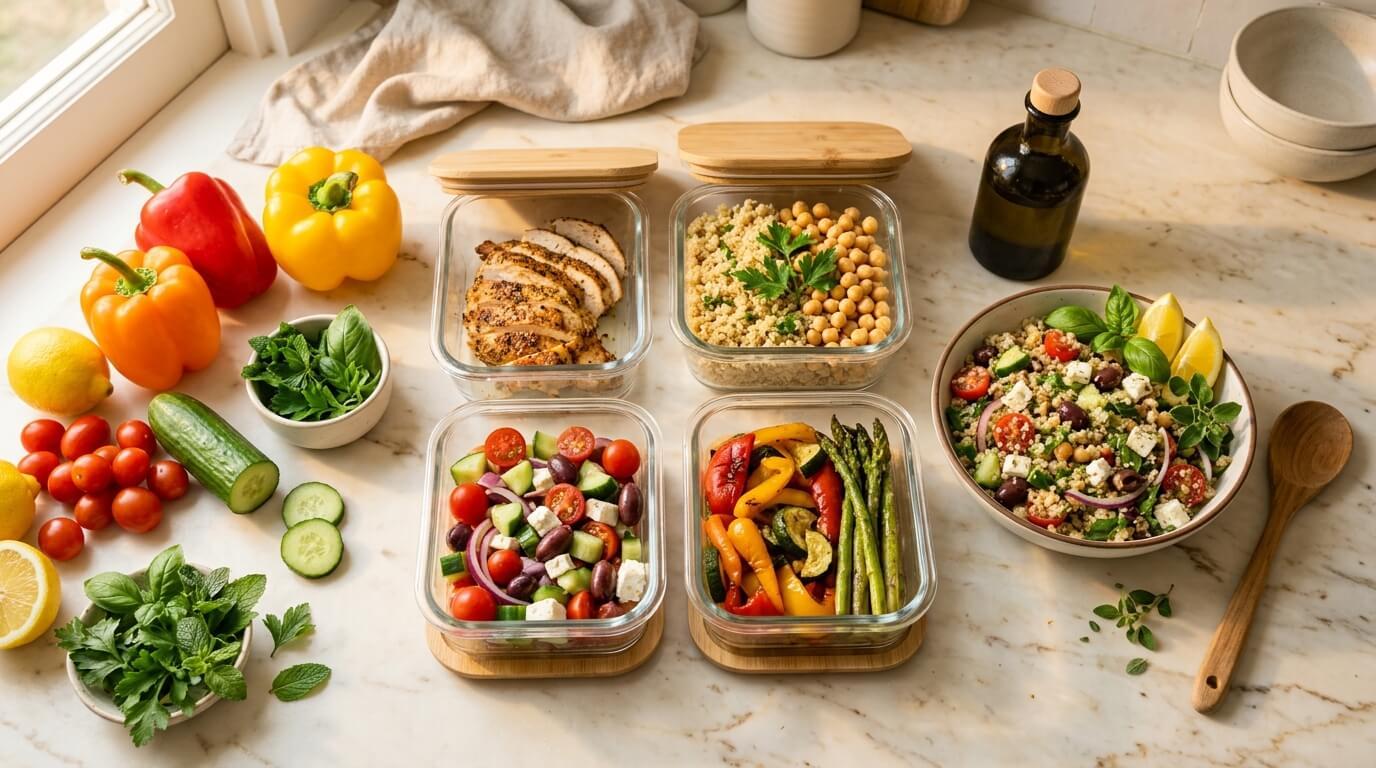
The priority plate method:
- Protein first, eat your protein source before anything else
- Vegetables second, fiber-rich produce supports gut health and adds micronutrients
- Complex carbohydrates third, whole grains, sweet potatoes, or legumes for sustained energy
- Healthy fats last, avocado, olive oil, nuts in moderate amounts
Hydration and Electrolytes
Reduced food intake means reduced water and electrolyte intake from food sources. Dehydration is one of the most common and underreported issues during GLP-1 therapy.
- Target at least 64 ounces of water daily, more if physically active
- Include electrolyte-rich foods: bananas, leafy greens, nuts, seeds
- Watch for signs of dehydration: fatigue, headaches, dizziness, dark urine
- Avoid relying on sugary beverages or excessive caffeine for hydration
Foods to Emphasize and Minimize
Emphasize:
- Lean proteins and fatty fish (salmon, sardines for omega-3s)
- Non-starchy vegetables in variety
- Fermented foods for gut microbiome support (yogurt, kimchi, sauerkraut)
- Whole grains in moderate portions
- Berries and other low-glycemic fruits
- Ultra-processed foods (they are calorie-dense but nutrient-poor)
- Fried and high-fat meals (these worsen GI side effects)
- Alcohol (it compounds nausea and provides empty calories)
- Carbonated beverages (they can increase bloating)
- Large meals late in the evening
Meal Timing and Frequency
Research from the Journal of Clinical Endocrinology & Metabolism suggests that meal timing influences metabolic outcomes independently of total caloric intake.
- Eat your largest meal earlier in the day when GLP-1 effects on gastric motility are strongest
- Space meals 4-5 hours apart to allow for complete digestion
- Avoid eating within 2-3 hours of bedtime to minimize reflux
- If nausea is an issue, smaller and more frequent meals (4-5 per day) may be better tolerated than 3 larger ones
Micronutrient Considerations
Reduced caloric intake increases the risk of micronutrient gaps. A 2022 analysis in the American Journal of Clinical Nutrition found that patients on very-low-calorie regimens were frequently deficient in iron, vitamin D, B12, and calcium.
Discuss with your clinician whether a daily multivitamin or targeted supplementation is appropriate during treatment.
Building Sustainable Habits
The dietary patterns you establish during GLP-1 therapy should be ones you can maintain long-term. The goal is not a restrictive "diet" but a sustainable way of eating that supports your health with or without medication.
- Track your meals for the first 4-6 weeks to build awareness
- Experiment with recipes that are protein-forward and satisfying
- Allow flexibility rather than rigid rules
- Focus on how foods make you feel, not just calorie counts
Frequently Asked Questions
Do I need to follow a specific diet while on GLP-1 medications?
No single diet is required. The evidence supports a protein-forward approach (1.2-1.6 g/kg daily) combined with whole foods, adequate hydration, and reduced ultra-processed food intake. The priority plate method, protein first, then vegetables, complex carbohydrates, and healthy fats, works well for most patients regardless of dietary preference.
Will I lose muscle if I do not eat enough protein?
Yes. Research shows that up to 40% of weight lost during GLP-1 therapy can be lean mass if protein intake is inadequate. Prioritizing protein at every meal and combining nutrition with resistance training are the two most effective strategies for preserving muscle during treatment.
Can I drink alcohol while on semaglutide or tirzepatide?
Alcohol is not strictly prohibited, but it is best minimized. It provides empty calories, can worsen nausea, impairs judgment around food choices, and places additional metabolic burden on the liver. If you choose to drink, do so in moderation and not on an empty stomach.
Key Takeaways
- Prioritize protein at every meal to preserve lean muscle mass
- Use the priority plate method when appetite is limited
- Stay hydrated and monitor electrolyte intake
- Minimize ultra-processed foods and alcohol
- Work with your clinician on micronutrient supplementation if needed
- Build habits that outlast the medication
References
- Wilding JPH, et al. Once-Weekly Semaglutide in Adults with Overweight or Obesity (STEP 1). *N Engl J Med.* 2021 Mar. PMID 33567185. [https://pubmed.ncbi.nlm.nih.gov/33567185/](https://pubmed.ncbi.nlm.nih.gov/33567185/)
- Mechanick JI, et al. Strategies for minimizing muscle loss during use of incretin-mimetic drugs for obesity treatment in primary care. *Obes Rev.* 2025 Jan. PMID 39295512. [https://pubmed.ncbi.nlm.nih.gov/39295512/](https://pubmed.ncbi.nlm.nih.gov/39295512/)
- Alawadhi AA, et al. LEAN mass Preservation with Resistance Exercise and Protein during semaglutide and tirzepatide use: a randomized trial. *BMJ Open.* 2026 Apr. PMID 42020128. [https://pubmed.ncbi.nlm.nih.gov/42020128/](https://pubmed.ncbi.nlm.nih.gov/42020128/)
- Noronha JC, et al. Optimizing GLP-1 therapies for obesity and diabetes management. *Obes Pillars.* 2025 Dec. PMID 41322078. [https://pubmed.ncbi.nlm.nih.gov/41322078/](https://pubmed.ncbi.nlm.nih.gov/41322078/)
Stay informed
Weekly research updates and health guides. No spam.
References
- Wilding JPH, et al. Once-Weekly Semaglutide in Adults with Overweight or Obesity (STEP 1). N Engl J Med. (2021).
- Mechanick JI, et al. Strategies for minimizing muscle loss during use of incretin-mimetic drugs for obesity treatment in primary care. Obes Rev. (2025).
- Alawadhi AA, et al. LEAN mass Preservation with Resistance Exercise and Protein during semaglutide and tirzepatide use: a randomized trial. BMJ Open. (2026).
- Noronha JC, et al. Optimizing GLP-1 therapies for obesity and diabetes management. Obes Pillars. (2025).
Ready to get started?
Check if you qualify for a personalized treatment plan.
Check Your Eligibility →Continue reading
GLP-1 Medications After Bariatric Surgery: What the Research Shows About Weight Regain
Tirzepatide and Birth Control: What You Need to Know About Oral Contraceptives