How to Get Compounded Tirzepatide Without Insurance in 2026
Accessing compounded tirzepatide without insurance is increasingly feasible through telehealth platforms, offering a path to one of the most effective GLP-1 treatments at a fraction of the branded pri

In this article
Accessing compounded tirzepatide without insurance is increasingly feasible through telehealth platforms, offering a path to one of the most effective GLP-1 treatments at a fraction of the branded price.
*This article is for informational purposes only. It is not medical advice. Consult a licensed healthcare provider before starting any medication or treatment program.*
---
If you have been researching tirzepatide and discovered the list price, the reaction is usually the same: Mounjaro and Zepbound carry retail prices of $900 to $1,400 per month without insurance. For most people, that number ends the conversation before it starts.
But insurance is not the only route to tirzepatide treatment. Compounded tirzepatide, available through licensed telehealth platforms, has made medically supervised GLP-1 treatment accessible at a fraction of the brand-name cost. You do not need an insurance plan that covers weight loss medications to begin. You need a licensed provider who can evaluate whether treatment is appropriate for you, and a pharmacy qualified to fill that prescription.
This guide covers what [compounded tirzepatide](/resources/compounded-tirzepatide-guide) actually costs without insurance in 2026, the important regulatory context that affects who can legally prescribe it, what telehealth platforms include for the price, and what to look for when choosing a provider.
---
Why Insurance Rarely Covers Tirzepatide for Weight Loss
Tirzepatide is sold under two brand names for two distinct FDA-approved indications. Mounjaro (manufactured by Eli Lilly) is approved for improving blood sugar control in adults with type 2 diabetes. Zepbound is approved for chronic weight management in adults with obesity or overweight with a weight-related health condition. Insurance treats these two indications very differently.
Mounjaro for type 2 diabetes is generally covered. Commercial insurance plans routinely include treatments for diabetes, and Mounjaro is on most major formularies for patients with a documented T2D diagnosis. Prior authorization is often required, but coverage is available.
Zepbound for weight management is a different story. The Obesity Medicine Association estimates that fewer than 30 percent of commercial insurance plans cover anti-obesity medications at all. Of those that do, most require prior authorization, documented BMI thresholds, a history of prior weight management interventions, and placement in a specialty tier with substantial cost-sharing. Many plans still exclude anti-obesity medications entirely.
Medicare does not cover Zepbound for weight loss. A critical distinction from Wegovy (semaglutide) is that Zepbound does not yet have an FDA label for cardiovascular risk reduction as of 2026. Wegovy received that label in March 2024 following the SELECT trial, which enabled expanded Part D coverage for some Medicare beneficiaries. Tirzepatide's SURPASS-CVOT trial ([PMID: 41406444](https://pubmed.ncbi.nlm.nih.gov/41406444/)) demonstrated noninferiority to dulaglutide but did not establish the same type of superiority data that drove Medicare's coverage decision for semaglutide. Until equivalent data exists, Medicare Part D coverage for Zepbound as a weight loss medication remains largely unavailable.
Compounded tirzepatide is not covered by any insurance. Compounded medications are prepared by licensed pharmacies for individual patients based on specific prescriptions. They are not FDA-approved products and do not appear in insurance formularies. This means the question for uninsured patients, or those whose plans exclude weight management benefits, shifts from "what will my insurance pay?" to "what will this cost me directly?"
---
The FDA Shortage Update: Context for 2026
Before getting into pricing, this regulatory context matters.
The FDA added tirzepatide to its drug shortage list in 2022 when demand for Mounjaro and Zepbound outpaced Eli Lilly's manufacturing capacity. During that shortage period, 503A and 503B compounding pharmacies were permitted to prepare and distribute compounded tirzepatide under shortage exemptions to federal drug law.
In early 2025, the FDA officially removed tirzepatide from the shortage list. This change did not eliminate compounded tirzepatide immediately, but it did alter the legal basis under which pharmacies can continue to compound it. Pharmacies now operate under a different regulatory framework, and the compliance posture of your provider matters more than it did during the shortage period.
This does not mean compounded tirzepatide is unavailable. It means that legitimate providers operate with licensed compounding pharmacies that maintain current compliance practices and can explain their legal basis for continued compounding. If a provider cannot clearly describe how their pharmacy sources tirzepatide and under what authority, that is a meaningful warning sign.
---
What Compounded Tirzepatide Costs Without Insurance
The direct-pay market for compounded tirzepatide has become competitive, though it remains more expensive than [compounded semaglutide](/resources/compounded-semaglutide-without-insurance) because tirzepatide is a more complex dual-receptor molecule requiring more sophisticated synthesis.
Price range across providers: Most telehealth platforms offering compounded tirzepatide charge between $179 and $399 per month in 2026. The variation reflects differences in dose level, what is bundled, pharmacy sourcing, and business model.
What drives your price:
- Dose level. Tirzepatide is titrated upward over 12 to 20 weeks, starting at 2.5 mg and working toward a maintenance dose of 5 to 15 mg. Some providers charge a flat rate across all doses; others adjust as you escalate.
- What is bundled. A low headline price that excludes the medical consultation, lab work, or follow-up visits is not a low total price. Verify exactly what is included before comparing numbers across platforms.
- Pharmacy type. 503A compounding pharmacies prepare medications per individual prescription. 503B outsourcing facilities operate under a separate FDA oversight framework and produce medications at scale. Both can be legitimate; transparency about which you are using is a signal of provider quality.
- Form factor. Compounded tirzepatide is available as a subcutaneous injectable solution and, more recently, in oral formulations. These carry different price points.
---
Using HSA and FSA Funds
If you have a Health Savings Account or Flexible Spending Account through your employer, compounded tirzepatide prescribed for a medical condition is generally IRS-eligible as a prescription medication expense.
Using pre-tax HSA or FSA dollars effectively reduces the real cost of treatment by 22 to 37 percent depending on your marginal federal tax rate. For a $259–$389 monthly medication cost, that represents meaningful savings over the course of a year of treatment. Verify eligibility with your HSA or FSA plan administrator, as rules can vary by account type and plan year.
---
Does Eli Lilly Offer Savings Programs?
For patients who do have commercial insurance that covers Mounjaro or Zepbound, Eli Lilly offers savings card programs that can reduce cost-sharing substantially. These programs are designed for commercially insured patients and are generally not available to Medicare or Medicaid enrollees due to federal anti-kickback regulations.
Patients without any insurance coverage, or whose plans exclude anti-obesity medications, typically do not qualify for the standard savings card programs. The Lilly Insulin Value Program and similar assistance efforts are designed for different coverage situations.
For uninsured or underinsured patients, the compounded tirzepatide route through telehealth generally offers more predictable and accessible pricing than navigating brand-name assistance programs that may have eligibility restrictions or limited availability.
---
How Telehealth Makes Access Practical
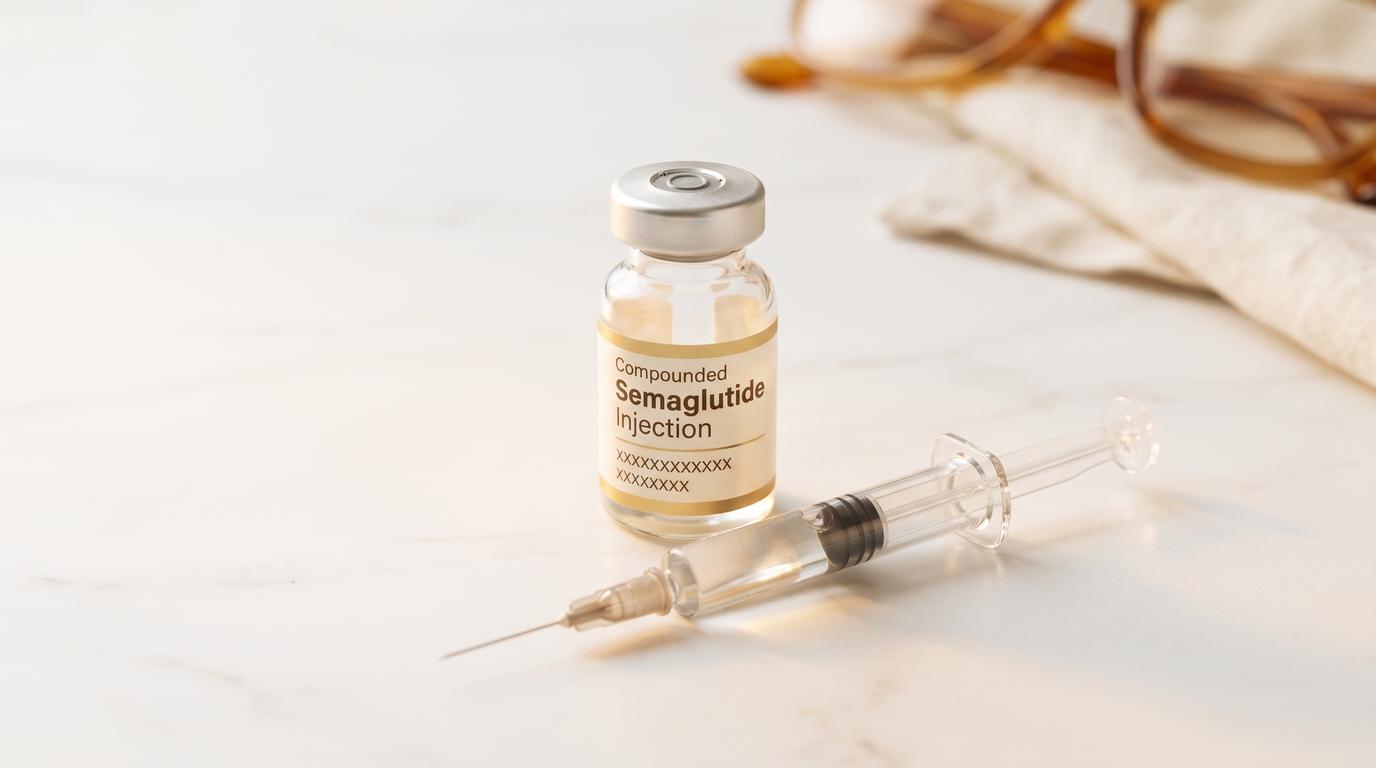
Before telehealth, getting tirzepatide without insurance coverage meant finding an obesity medicine specialist willing to see you out-of-pocket, paying separately for that in-person consultation, then paying a specialty pharmacy for the medication, and returning for regular follow-up visits billed at each encounter. The total cost and logistical burden were significant barriers even for patients who could afford the medication itself.
Telehealth platforms have restructured every step of that process.
Online medical evaluation. You complete a health assessment covering your health history, current medications, weight history, and treatment goals. A licensed provider reviews your information and determines whether tirzepatide treatment is medically appropriate. This replaces the in-person specialist visit.
Prescription and pharmacy coordination. When treatment is appropriate, your provider writes a prescription sent directly to a licensed compounding pharmacy. The pharmacy prepares your medication based on that specific prescription and your prescribed dose.
Home delivery. Your medication ships directly to you. Recurring shipments are coordinated so you are not managing pharmacy pickups or running out between doses.
Ongoing provider access. Legitimate platforms include continued access to your provider or care team for dose adjustments, side effect management, and support throughout treatment. This is not a one-time prescription service.
This model eliminates most of the logistical and cost barriers that made out-of-pocket specialist care impractical for most people.
---
What to Look for in a Provider
Not every telehealth platform offering compounded tirzepatide operates at the same standard. Because you are paying directly without insurance as a backstop on quality, evaluating your provider carefully is your responsibility.
Pharmacy transparency. Your provider should be able to tell you which compounding pharmacy fills your prescription, whether it is a 503A or 503B facility, and how the pharmacy maintains compliance given the FDA's 2025 shortage removal. If a platform cannot or will not answer these questions, look elsewhere.
All-in pricing. Ask specifically: does the quoted monthly price include the medical consultation, the medication, and shipping? Platforms that bury fees in follow-up billing or charge separately for consultation are not offering what they appear to offer.
Licensed providers. Your prescription must come from a licensed clinician, nurse practitioner, or other prescribing provider who holds an active license in your state. Confirm this explicitly.
Ongoing support structure. Tirzepatide treatment involves a titration period and periodic dose adjustments. A provider who disappears after the first prescription is not a clinical partner. Confirm what ongoing support looks like before you start.
Red flags to watch for:
- Platforms that prescribe without any medical evaluation
- Copy claiming their compounded product is equivalent to Mounjaro or Zepbound (compounded medications are not FDA-approved and are not equivalent to branded products)
- Pricing that excludes disclosures about what is and is not included
- Vague or evasive responses about the pharmacy source
Who Qualifies for Compounded Tirzepatide
Eligibility is determined by a licensed provider based on your individual health history. General criteria commonly applied include:
- BMI of 30 or higher (obesity classification)
- BMI of 27 or higher with a weight-related health condition such as type 2 diabetes, hypertension, dyslipidemia, or sleep apnea (overweight with comorbidities)
- Absence of contraindications, including personal or family history of medullary thyroid carcinoma or Multiple Endocrine Neoplasia syndrome type 2
- No current pregnancy
---
What the Research Shows
Published clinical data on tirzepatide provides meaningful context, with an important caveat about compounded medications.
The SURMOUNT-1 trial ([PMID: 35658024](https://pubmed.ncbi.nlm.nih.gov/35658024/)), published in the *New England Journal of Medicine*, found that adults taking tirzepatide 15 mg lost an average of 22.5 percent of body weight over 72 weeks, compared to 2.4 percent in the placebo group. A head-to-head comparison in the SURMOUNT-5 trial ([PMID: 40353578](https://pubmed.ncbi.nlm.nih.gov/40353578/)) found tirzepatide produced greater average weight loss (20.2 percent) compared to semaglutide (13.7 percent) at 72 weeks.
Tirzepatide works through a dual mechanism, activating both GLP-1 receptors (which slow gastric emptying and reduce appetite via hypothalamic pathways) and GIP receptors (which influence energy metabolism in adipose tissue and may modulate appetite through separate brain circuits). This dual action is what distinguishes tirzepatide from semaglutide and is one reason clinical trials have shown greater average weight loss.
These findings come from trials of Mounjaro and Zepbound, the branded FDA-approved products manufactured by Eli Lilly. Compounded tirzepatide is prepared by a licensed compounding pharmacy under a separate regulatory framework. It is not the same product as the branded versions used in these trials and has not undergone equivalent clinical testing. Individual results on any GLP-1 program depend on adherence, diet, physical activity, starting weight, and other individual factors. Results vary from person to person and are not guaranteed.
Treatment involves a titration period of 12 to 20 weeks. Most patients start at 2.5 mg and increase to their effective maintenance dose over time. Managing the titration carefully, including side effects like nausea and reduced appetite in the early weeks, is central to long-term adherence and treatment outcomes.
---
Getting Started Without Insurance
Telehealth platforms like Prescriva connect patients with licensed healthcare providers who evaluate whether compounded weight management treatment is appropriate for your situation. If treatment is a clinical fit, your provider writes a prescription filled by a licensed compounding pharmacy, and medication ships directly to your home.
The monthly cost is $389 month-to-month, or as low as $259 on the 52-week plan, all-inclusive: no hidden consultation fees, no separate pharmacy charge, no billing surprises when your dose adjusts.
[Check your eligibility](/get-started) to connect with a licensed provider.
---
Frequently Asked Questions
Is compounded tirzepatide FDA-approved? No. Compounded tirzepatide is not an FDA-approved medication. Compounded medications are prepared by licensed pharmacies based on individual prescriptions and are not reviewed by the FDA for safety, efficacy, or quality. This is different from branded products like Mounjaro and Zepbound, which received FDA approval for specific indications. A licensed provider can help you determine whether compounded tirzepatide is an appropriate option for your individual situation.
Can I get a tirzepatide prescription online without seeing a doctor in person? Yes. Telehealth platforms allow licensed providers to evaluate your health history and prescribe appropriate treatment online. All prescriptions must come from a licensed provider in your state. Reputable platforms require a genuine medical evaluation before any prescription is issued, not a checkbox process.
What happens when my dose needs to change? Tirzepatide treatment involves a titration schedule, and your dose will increase over time. Legitimate providers include ongoing access to your care team for dose adjustments, side effect management, and questions throughout treatment. If a platform does not offer this, look elsewhere.
Is Prescriva's tirzepatide price all-inclusive? Yes. Prescriva's monthly pricing includes your medical consultation, prescribed compounded tirzepatide medication, and shipping. There are no separate provider fees or pharmacy charges.
What is the difference between Mounjaro, Zepbound, and compounded tirzepatide? Mounjaro and Zepbound are brand-name FDA-approved products containing tirzepatide, manufactured by Eli Lilly and approved for type 2 diabetes and weight management respectively. Compounded tirzepatide is prepared by a licensed compounding pharmacy for an individual patient based on a specific prescription. It is not the same product as Mounjaro or Zepbound. Compounded medications are not FDA-approved, not equivalent to the branded products, and not interchangeable with them.
---
Disclaimers
Medical Disclaimer: This article is for informational purposes only and does not constitute medical advice, diagnosis, or treatment. Consult a licensed healthcare provider before starting any medication or treatment program.
Compounding Disclaimer: Compounded tirzepatide is not an FDA-approved medication. Compounded medications are not reviewed by the FDA for safety, efficacy, or quality. Compounded tirzepatide is not the same as, equivalent to, or interchangeable with FDA-approved tirzepatide products (Mounjaro or Zepbound).
Results Disclaimer: Individual results vary. Weight management outcomes depend on adherence to your prescribed treatment plan, diet, exercise, starting weight, and other individual health factors. Results are not guaranteed.
Provider Disclaimer: All medical services, including prescribing, are provided by independently licensed healthcare providers. Prescriva LLC is a management services organization and does not practice medicine or make clinical decisions.
Brand Disclaimer: Mounjaro and Zepbound are registered trademarks of Eli Lilly and Company. Prescriva is not affiliated with, endorsed by, or sponsored by Eli Lilly.
---
Sources
- Jastreboff AM, et al. Tirzepatide Once Weekly for the Treatment of Obesity. *New England Journal of Medicine.* 2022;387(3):205-216. [PMID: 35658024](https://pubmed.ncbi.nlm.nih.gov/35658024/)
- Aronne LJ, et al. Tirzepatide vs. Semaglutide Once Weekly in Obesity. *New England Journal of Medicine.* 2025. [PMID: 40353578](https://pubmed.ncbi.nlm.nih.gov/40353578/)
- Nicholls SJ, et al. Tirzepatide for Cardiovascular Events in Patients with Type 2 Diabetes. *New England Journal of Medicine.* 2025. [PMID: 41406444](https://pubmed.ncbi.nlm.nih.gov/41406444/)
- FDA. Drug Shortage Database: Tirzepatide Injection. 2025. [fda.gov]
- Obesity Medicine Association. Insurance Coverage for Anti-Obesity Medications. 2025. [oma.org]
- FDA. Compounded Drug Products that are Copies of Commercially Available Drug Products Under Section 503A. Guidance for Industry. 2024.
Stay informed
Weekly research updates and health guides. No spam.
References
- Jastreboff AM, et al. Tirzepatide Once Weekly for the Treatment of Obesity. New England Journal of Medicine. (2022).
- Aronne LJ, et al. Tirzepatide vs. Semaglutide Once Weekly in Obesity. New England Journal of Medicine. (2025).
- Nicholls SJ, et al. Tirzepatide for Cardiovascular Events in Patients with Type 2 Diabetes. New England Journal of Medicine. (2025).
- FDA. Drug Shortage Database: Tirzepatide Injection. 2025. [fda.gov]. Published Research (2025).
- Obesity Medicine Association. Insurance Coverage for Anti-Obesity Medications. 2025. [oma.org]. Published Research (2025).
- FDA. Compounded Drug Products that are Copies of Commercially Available Drug Products Under Section 503A. Guidance for Industry. 2024.. Published Research (2024).
Ready to get started?
Check if you qualify for a personalized treatment plan.
Check Your Eligibility →Continue reading

GLP-1 Medications After Bariatric Surgery: What the Research Shows About Weight Regain

Tirzepatide and Birth Control: What You Need to Know About Oral Contraceptives