Compounded Tirzepatide: Benefits, Cost, and How to Get It
Compounded tirzepatide has emerged as one of the most powerful weight loss options available through telehealth, combining two hormone-mimicking mechanisms in a single weekly injection.

In this article
Compounded tirzepatide has emerged as one of the most powerful weight loss options available through telehealth, combining two hormone-mimicking mechanisms in a single weekly injection.
*This article is for informational purposes only. It is not medical advice. Speak with a licensed healthcare provider before starting any new medication or treatment program.*
---
Tirzepatide has quickly become one of the most searched terms in weight loss, and for good reason: the clinical trial data for the branded, FDA-approved formulation is remarkable. In the SURMOUNT-1 trial of branded tirzepatide, adults using 15mg lost an average of 20.9% of their body weight over 72 weeks.
But brand-name tirzepatide (Mounjaro for diabetes, Zepbound for weight loss) can cost over $1,000 per month without insurance. That is where compounded tirzepatide comes in. Important: Compounded tirzepatide is not FDA-approved, has not been separately studied in equivalent clinical trials, and the branded trial results should not be assumed to apply to compounded formulations.
This guide covers everything you need to know: how tirzepatide works, what the data actually says, who it is right for, what it costs as a compounded medication, and how to get started.
> Important note on regulatory status: In October 2024, the FDA declared the tirzepatide shortage resolved, and following subsequent litigation and FDA action, tirzepatide is no longer on the drug shortage list as of 2026. This affects the legal basis under which 503A and 503B pharmacies may compound tirzepatide. 503A pharmacies may still lawfully prepare compounded tirzepatide for an individual patient when a licensed prescriber documents a specific clinical need not met by commercially available products (for example, a different dose or a documented allergy to an inactive ingredient). Prescriva works only with licensed pharmacy partners operating in full compliance with current federal and state requirements. Check with your provider about current availability and regulatory status before starting treatment.
---
What Is Tirzepatide?
Tirzepatide is a dual GIP/GLP-1 receptor agonist, a weekly injectable medication that activates two different hormone receptors in the body simultaneously. For a deeper look at the mechanism, see [How Does Tirzepatide Work](/resources/how-does-tirzepatide-work).
To understand why that matters, a quick primer on the hormones involved:
GLP-1 (glucagon-like peptide-1) is released after eating. It signals your brain that you are full, triggers insulin release, and slows gastric emptying. GLP-1 receptor agonists (like semaglutide) have been used for diabetes and weight management for years.
GIP (glucose-dependent insulinotropic polypeptide) is another hormone released after eating. It also stimulates insulin secretion and plays a role in fat metabolism. Scientists once thought GIP was less important than GLP-1 for weight management, but research has shown that activating both receptors together produces greater weight loss than activating either one alone.
Tirzepatide was designed specifically to bind to both the GLP-1 and GIP receptors. It is this dual action that makes it a step beyond previous GLP-1 medications, and why trial data consistently shows larger weight loss numbers compared to semaglutide-only approaches.
---
Tirzepatide vs. Mounjaro and Zepbound: What's the Difference?
Mounjaro is FDA-approved tirzepatide for type 2 diabetes management. Zepbound is FDA-approved tirzepatide for chronic weight management. Both are manufactured by Eli Lilly and have gone through the full FDA approval process for safety, efficacy, and manufacturing quality.
Compounded tirzepatide is prepared by licensed compounding pharmacies and contains tirzepatide as the active ingredient. However, compounded tirzepatide is not FDA-approved and is not the same product as Mounjaro or Zepbound. It has not undergone FDA review for safety or efficacy as a finished product.
The key practical difference is cost. Brand-name tirzepatide without insurance often runs $900-$1,400 per month. Compounded versions are substantially more affordable, which is why they have become the option of choice for many people who do not have insurance coverage for weight loss medications.
Compounded tirzepatide available through the Prescriva platform is prepared by state-licensed 503A compounding pharmacies, which are regulated by state pharmacy boards. State licensure and regulation are not the same as FDA approval of the drug itself.
---
The SURMOUNT Trials: What the Data Shows
The SURMOUNT trial program is the clinical foundation for branded, FDA-approved tirzepatide's use in weight management. Note: All data below is from trials of the branded formulation (Zepbound/Mounjaro). Compounded tirzepatide has not been separately studied in equivalent trials.
SURMOUNT-1: Adults with Obesity (Without Diabetes)
The SURMOUNT-1 trial enrolled 2,539 adults with a BMI of 30 or higher (or 27+ with a weight-related condition) who did not have type 2 diabetes. Over 72 weeks, participants received weekly injections of tirzepatide at 5mg, 10mg, or 15mg doses, or placebo.
Results (Jastreboff et al., NEJM 2022, PMID [35658024](https://pubmed.ncbi.nlm.nih.gov/35658024/)):
- 5mg dose: Average 15% body weight loss
- 10mg dose: Average 19.5% body weight loss
- 15mg dose: Average 20.9% body weight loss
- Placebo: Average 3.1% body weight loss
SURMOUNT-2: Adults with Type 2 Diabetes
The SURMOUNT-2 trial examined tirzepatide specifically in adults with type 2 diabetes and obesity. Even in this population, where weight loss is typically harder to achieve, tirzepatide produced significant results.
At 72 weeks, participants on tirzepatide 15mg lost an average of 14.7% of body weight compared to 3.2% on placebo, while also demonstrating significant HbA1c reductions (Garvey et al., 2023, PMID [37214707](https://pubmed.ncbi.nlm.nih.gov/37214707/)).
---
Who Is a Good Candidate for Tirzepatide?
Tirzepatide is appropriate for adults who meet clinical criteria for medical weight management.
You may be a good candidate if you have:
- A BMI of 30 or higher (obesity), OR
- A BMI of 27 or higher with at least one weight-related health condition such as type 2 diabetes or prediabetes, high blood pressure, high cholesterol or triglycerides, sleep apnea, or cardiovascular disease
- A personal or family history of medullary thyroid carcinoma (MTC): tirzepatide carries a boxed warning similar to other GLP-1 medications
- Multiple Endocrine Neoplasia syndrome type 2 (MEN 2)
- A history of severe pancreatitis
- Pregnancy or breastfeeding (discontinue before conception)
- Severe gastrointestinal conditions that worsen with slowed gastric emptying
---
Tirzepatide vs. Semaglutide: Which Is More Effective?
Based on available trial data, tirzepatide shows greater average weight loss than semaglutide:
- Semaglutide 2.4mg (STEP 1 trial): 14.9% average weight loss at 68 weeks
- Tirzepatide 15mg (SURMOUNT-1): 20.9% average weight loss at 72 weeks
No direct head-to-head randomized clinical trial has compared tirzepatide and semaglutide for weight loss. The STEP and SURMOUNT trials had different participant populations, protocols, and follow-up periods. A direct comparison is not perfectly apples-to-apples.
Individual response varies significantly. Some people respond very well to semaglutide and reach their goals without needing a dual-agonist medication. Others may do better on tirzepatide. Factors like genetics, gut biology, and baseline health conditions influence how you respond to each drug.
Side effect profiles are similar, primarily GI symptoms (nausea, diarrhea, constipation) that are most common during dose escalation and tend to improve over time.
The bottom line: tirzepatide is generally more potent on average, but the "better" medication is the one that works for your body and fits your health situation. Your provider can help you decide.
---
Side Effects of Tirzepatide
Tirzepatide's [side effect profile](/resources/tirzepatide-side-effects-what-to-expect) is similar to other GLP-1 medications, primarily affecting the gastrointestinal system. Most side effects are manageable and improve as your body adjusts.
Common Side Effects
- Nausea: the most frequently reported side effect, especially during dose increases. Eating smaller, lower-fat meals can help.
- Diarrhea: more common than with semaglutide in some studies
- Vomiting: less common than nausea, but possible
- Constipation: some people swing the other direction
- Decreased appetite: expected and desired, but can be excessive in some cases
- Injection site reactions: mild redness or discomfort at the injection site
Less Common but Serious Side Effects
- Pancreatitis: discontinue if you experience severe abdominal pain
- Gallbladder problems: rapid weight loss can increase gallstone risk
- Low blood sugar (hypoglycemia): more of a concern if you are also on insulin or sulfonylureas
Thyroid Risk and the Boxed Warning
Tirzepatide carries a boxed warning for medullary thyroid carcinoma, based on animal studies. This risk in humans is not established, but anyone with a personal or family history of MTC or MEN 2 should not use tirzepatide.
---
How Much Does Compounded Tirzepatide Cost?
Brand-name tirzepatide (Mounjaro or Zepbound) without insurance typically costs between $900 and $1,400 per month.
At Prescriva, compounded tirzepatide is $389/month month-to-month, or as low as $259/month on the 52-week plan, all-inclusive. That means your provider consultation, medication, and shipping are all covered in one price. No itemized fees, no surprise charges. For a full cost breakdown, see [Compounded Tirzepatide Cost in 2026](/resources/compounded-tirzepatide-cost-2026).
For context, [compounded semaglutide](/resources/compounded-semaglutide-cost-2026) is available at Prescriva from $169/month on the 52-week plan ($289/month month-to-month). Tirzepatide costs more because the active pharmaceutical ingredient is more expensive to source, but it remains a fraction of the brand-name cost.
---
How to Get Compounded Tirzepatide Online
The process for getting compounded tirzepatide through Prescriva is straightforward. You do not need to visit a doctor's office or get a referral.
- Complete an online health assessment covering your health history, current medications, weight history, and goals. Takes about 10 minutes.
- A licensed provider reviews your assessment within 24-48 hours. They review for contraindications and clinical appropriateness.
- If approved, your prescription is sent to a licensed compounding pharmacy, a licensed compounding pharmacy.
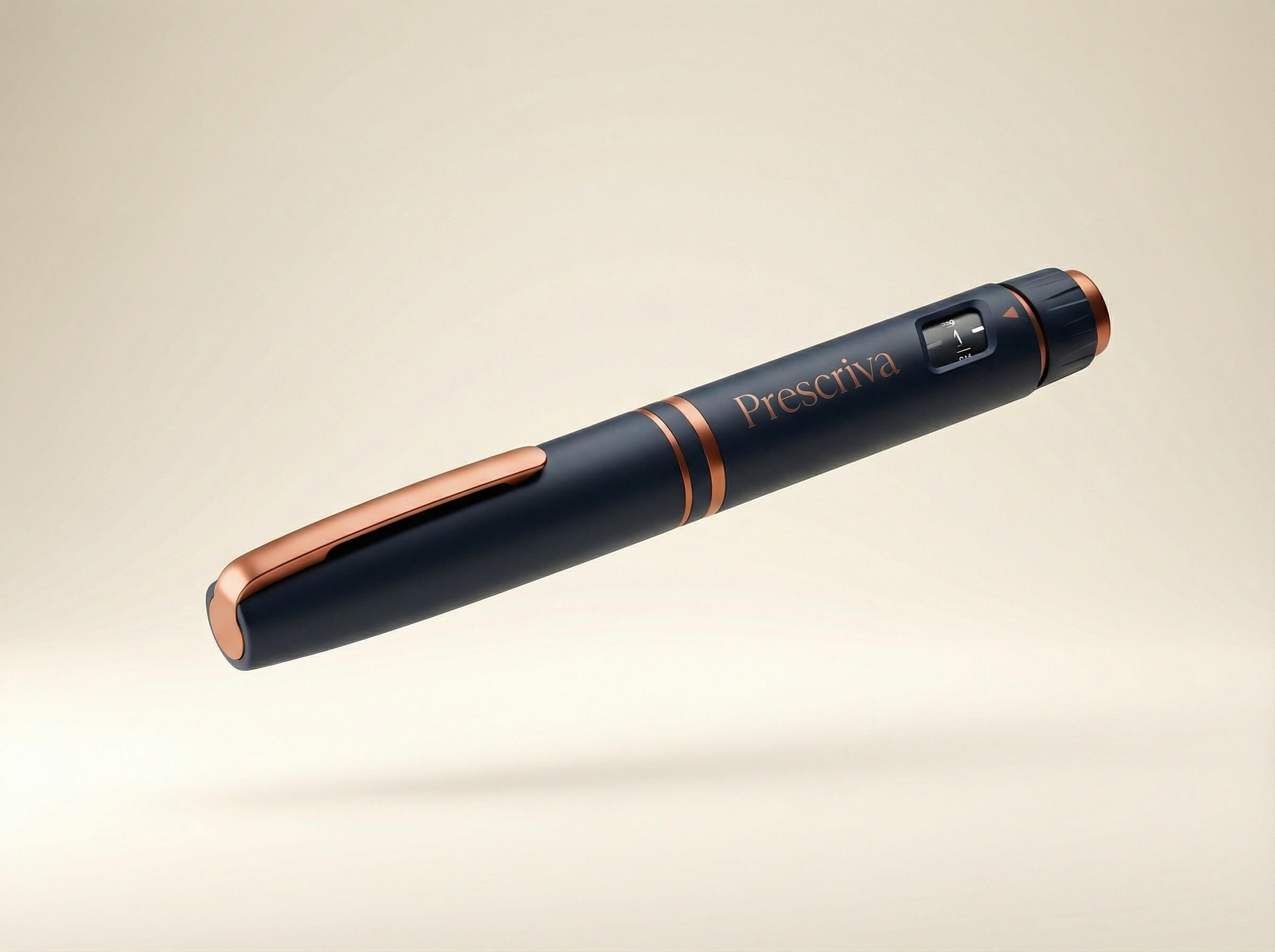
- Your medication ships to your door, discreetly packaged, with injection supplies included.
- Ongoing provider check-ins keep your care on track: dosing adjustments, questions answered, progress monitored.
What to Expect in Your First 3 Months
The first three months of tirzepatide treatment follow a structured titration protocol.
Month 1: Starting Dose (2.5mg weekly)
The first 4 weeks are about tolerability, not results. The 2.5mg starting dose is intentionally low, below a therapeutic weight loss dose, to let your body adjust. You may notice mild nausea, especially after the first few injections. Most people manage this by eating smaller meals and avoiding high-fat foods.
Do not be discouraged if the scale does not move much. Your appetite may begin to change even at this stage.
Month 2: First Dose Increase (5mg weekly)
At week 5, the dose increases to 5mg. This is where most people start noticing more meaningful appetite suppression. You are eating less, not because you are forcing yourself, but because you are simply less hungry and feel full sooner. Weight loss typically becomes more consistent in this phase.
Month 3: Second Dose Increase (7.5mg weekly)
At week 9, the dose increases to 7.5mg. By month 3, you are at a solidly therapeutic dose. Weight loss is usually steady at this point. Side effects, if present, have usually settled.
Beyond Month 3: Continued Titration
Depending on your response and tolerance, your provider may continue increasing the dose:
| Week | Dose |
|---|---|
| Weeks 1-4 | 2.5mg/week |
| Weeks 5-8 | 5mg/week |
| Weeks 9-12 | 7.5mg/week |
| Weeks 13-16 | 10mg/week |
| Weeks 17-20 | 12.5mg/week |
| Week 21+ | 15mg/week (maximum) |
Results Timeline
- Weeks 1-4: Adjustment phase; mild side effects possible; minimal weight loss
- Weeks 4-8: Appetite suppression becomes pronounced; consistent weight loss begins
- Months 3-6: Most consistent weight loss phase; GI side effects usually resolved
- Months 6-12+: Continued progress toward full trial-level results
---
Frequently Asked Questions
Is compounded tirzepatide safe? See our full analysis: [Is Compounded Tirzepatide Safe?](/resources/is-compounded-tirzepatide-safe). Compounded tirzepatide available through Prescriva is prepared by state-licensed 503A compounding pharmacies operating under state pharmacy board regulations. It contains tirzepatide as the active ingredient. However, compounded medications are not FDA-approved, meaning they have not gone through the full FDA review process that brand-name Mounjaro and Zepbound have. Medical supervision is essential. Side effects exist and contraindications apply. A licensed provider should evaluate you before prescribing and monitor your treatment throughout.
Is compounded tirzepatide the same as Mounjaro or Zepbound? No. Compounded tirzepatide is not the same product as Mounjaro or Zepbound. It is not FDA-approved, not equivalent to, and not interchangeable with those brand-name products. Compounded tirzepatide is not manufactured by Eli Lilly. It is prepared by a licensed compounding pharmacy under a separate regulatory pathway.
How long until I see results with tirzepatide? Most people begin noticing reduced appetite and feeling full faster within the first few weeks. Meaningful weight loss typically becomes visible between weeks 4 and 8. The most significant results in clinical trials were measured at 72 weeks. Full results take time: expect the most consistent progress between months 3 and 12.
Can I switch from semaglutide to tirzepatide? Yes, switching is possible and is sometimes done when someone is not achieving their goals on semaglutide. Switching involves stopping semaglutide and starting tirzepatide at a low dose. The same titration process applies. Discuss timing and dosing with your provider before making any change.
How do I get started with compounded tirzepatide through Prescriva? Complete the free online health assessment at Prescriva. A licensed provider reviews your submission within 24-48 hours. If approved, your prescription is sent to a licensed compounding pharmacy and your medication ships to your door. The all-inclusive cost is $389/month month-to-month, or as low as $259/month on the 52-week plan.
---
Disclaimer
Medical Disclaimer: This article is for informational purposes only and does not constitute medical advice. Consult a licensed healthcare provider before starting any medication.
Compounding Disclaimer: Compounded tirzepatide is not an FDA-approved medication. Compounded drugs are not reviewed by the FDA for safety, efficacy, or quality. Compounded tirzepatide is not the same as, equivalent to, or interchangeable with FDA-approved tirzepatide products (Mounjaro, Zepbound). Clinical trial data cited in this article refers to FDA-approved tirzepatide formulations and may not reflect outcomes from compounded tirzepatide.
Results Disclaimer: Individual results vary. Weight management outcomes depend on adherence to your prescribed treatment plan, diet, exercise, starting weight, and other individual health factors. Results are not guaranteed.
Provider Disclaimer: All medical services, including prescribing, are provided by independently licensed healthcare providers. Prescriva LLC is a management services organization and does not practice medicine or make clinical decisions.
Brand Disclaimer: Mounjaro and Zepbound are registered trademarks of Eli Lilly and Company. Prescriva is not affiliated with, endorsed by, or sponsored by Eli Lilly and Company.
Regulatory Disclaimer: FDA regulations regarding compounded tirzepatide have evolved following the FDA's resolution of the tirzepatide shortage. Check with your provider about current availability and regulatory status.
---
Sources:
- Jastreboff AM, et al. "Tirzepatide Once Weekly for the Treatment of Obesity." *New England Journal of Medicine.* 2022;387:205-216. PMID: [35658024](https://pubmed.ncbi.nlm.nih.gov/35658024/)
- Garvey WT, et al. "Tirzepatide Once Weekly for the Treatment of Obesity in People with Type 2 Diabetes (SURMOUNT-2)." *Lancet.* 2023;402(10402):613-626. PMID: [37214707](https://pubmed.ncbi.nlm.nih.gov/37214707/)
Stay informed
Weekly research updates and health guides. No spam.
Ready to get started?
Check if you qualify for a personalized treatment plan.
Check Your Eligibility →Continue reading

GLP-1 Medications After Bariatric Surgery: What the Research Shows About Weight Regain

Tirzepatide and Birth Control: What You Need to Know About Oral Contraceptives