Stress and Sexual Health: What Research Shows
Stress is one of the most common yet underappreciated factors affecting [sexual health](/resources/lifestyle-factors-affecting-sexual-health). While occasional stress is a normal part of life, chronic
In this article
Stress is one of the most common yet underappreciated factors affecting [sexual health](/resources/lifestyle-factors-affecting-sexual-health). While occasional stress is a normal part of life, chronic stress can profoundly disrupt [sexual desire](/resources/hormonal-health-and-libido-connection), arousal, and function through multiple interconnected biological pathways.
The Biology of Stress and Sexual Function
The HPA Axis

The hypothalamic-pituitary-adrenal (HPA) axis is the body's central stress response system. When activated, it triggers the release of cortisol, the primary stress hormone. Cortisol serves essential survival functions, but chronic elevation suppresses the hypothalamic-pituitary-gonadal (HPG) axis, the system responsible for regulating sex hormones.
This suppression leads to measurable reductions in both testosterone and estrogen. Research published in the Journal of Sexual Medicine documented a direct inverse relationship between cortisol levels and sexual arousal response in both men and women.
Sympathetic Nervous System Activation
Sexual arousal requires activation of the parasympathetic nervous system, the "rest and digest" branch. Chronic stress keeps the sympathetic nervous system ("fight or flight") dominant, directly opposing the physiological state needed for arousal and response.
In men, sympathetic dominance can contribute to erectile difficulty and premature ejaculation. In women, it can impair genital blood flow, lubrication, and orgasmic response.
Neurotransmitter Disruption
Chronic stress alters neurotransmitter balance in ways that affect sexual function:
- Dopamine, Reduced dopamine signaling diminishes motivation, pleasure, and reward associated with sexual activity
- Serotonin, Stress-related serotonin changes can dampen desire (notably, SSRI antidepressants prescribed for stress-related depression can further compound this effect)
- Norepinephrine, Chronic elevation creates a state of hypervigilance incompatible with sexual relaxation
Research Findings
A study in the Journal of Sexual Medicine examining the relationship between daily stress and sexual functioning found that higher perceived stress was associated with lower sexual desire, reduced arousal, and decreased satisfaction in both men and women. Importantly, the relationship persisted even when controlling for relationship satisfaction, suggesting a direct biological mechanism.
Research on cortisol specifically has shown that acutely elevated cortisol impairs sexual arousal response to erotic stimuli, indicating that the hormonal effects of stress can override psychological willingness.
The Chronic Stress Cycle
Chronic stress creates a self-reinforcing cycle with sexual health:
- Stress reduces sexual desire and function
- Reduced sexual function creates relationship tension or personal distress
- This distress becomes an additional source of stress
- The compounded stress further suppresses sexual function
Evidence-Based Stress Reduction Strategies
Mindfulness-Based Interventions
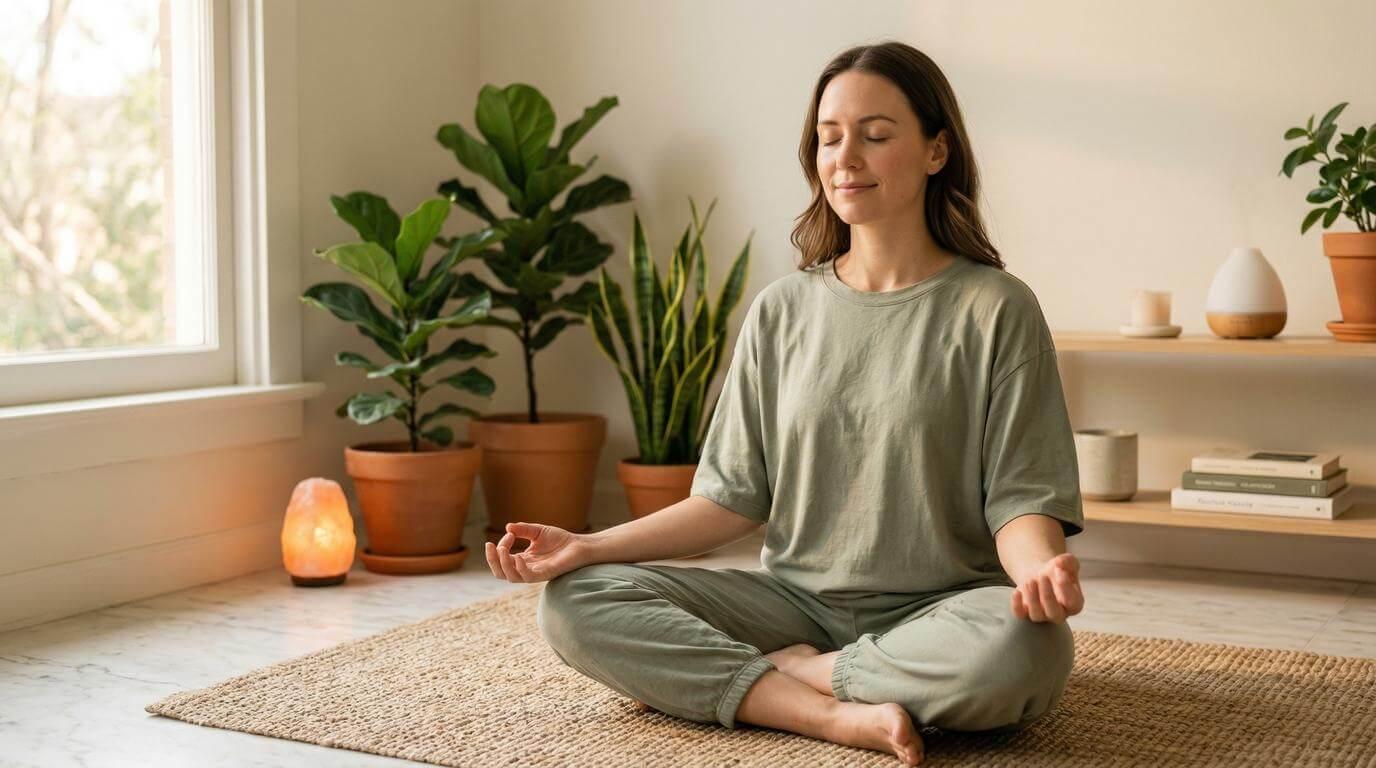
Mindfulness-based stress reduction (MBSR) has been studied specifically in the context of sexual health. Research has shown improvements in sexual desire, arousal, and satisfaction in women who completed MBSR programs. The proposed mechanism is improved ability to remain present and reduce performance anxiety during intimate situations.
Exercise
Regular physical activity reduces cortisol levels, improves mood through endorphin release, enhances cardiovascular function (supporting genital blood flow), and has been associated with improved sexual function across multiple studies.
Sleep Hygiene
Chronic sleep deprivation both elevates cortisol and impairs sex hormone production. Prioritizing consistent, adequate sleep addresses both pathways simultaneously.
Cognitive Behavioral Approaches
Cognitive behavioral therapy (CBT) has demonstrated efficacy for stress-related sexual dysfunction by addressing the thought patterns and behavioral avoidance that maintain the stress-dysfunction cycle.
When to Seek Professional Help
Consider consulting a healthcare provider if:
- Stress-related sexual changes persist for more than two to three months
- You experience significant distress about changes in sexual function
- Lifestyle modifications have not produced improvement
- You are taking medications that may compound the effects of stress on sexual function
Practical Takeaways
- Chronic stress directly suppresses sex hormones and disrupts the nervous system states required for arousal
- The relationship between stress and sexual dysfunction is bidirectional and can become self-reinforcing
- Exercise, sleep, and mindfulness are evidence-supported interventions
- Addressing root causes of chronic stress is typically more effective than treating sexual symptoms in isolation
*This article is for informational purposes only and does not constitute medical advice. Always consult a licensed healthcare provider before beginning any new treatment. Individual results may vary.*
References
- Segerstrom SC, et al. Psychological stress and the human immune system: a meta-analytic study of 30 years of inquiry. *Psychol Bull.* 2004 Jul. PMID 15250815. [https://pubmed.ncbi.nlm.nih.gov/15250815/](https://pubmed.ncbi.nlm.nih.gov/15250815/)
- Brotto LA, et al. Impact of mindfulness versus supportive sex education on stress in women with sexual interest/arousal disorder. *J Behav Med.* 2024 Aug. PMID 38668816. [https://pubmed.ncbi.nlm.nih.gov/38668816/](https://pubmed.ncbi.nlm.nih.gov/38668816/)
- Rullo JE, et al. Couples' use of online stress management and resiliency training for sexual health concerns. *Sex Med.* 2021 Aug. PMID 34280591. [https://pubmed.ncbi.nlm.nih.gov/34280591/](https://pubmed.ncbi.nlm.nih.gov/34280591/)
Stay informed
Weekly research updates and health guides. No spam.
References
- Segerstrom SC, et al. Psychological stress and the human immune system: a meta-analytic study of 30 years of inquiry. Psychol Bull. (2004).
- Brotto LA, et al. Impact of mindfulness versus supportive sex education on stress in women with sexual interest/arousal disorder. J Behav Med. (2024).
- Rullo JE, et al. Couples' use of online stress management and resiliency training for sexual health concerns. Sex Med. (2021).
Ready to get started?
Check if you qualify for a personalized treatment plan.
Check Your Eligibility →Continue reading

Compounded Sildenafil (Viagra): What It Is, Cost, and How to Get It Online

Tadalafil Online: How to Get a Prescription Safely