Semaglutide and Gastroparesis: What the Research Actually Shows
If you have been searching for information about semaglutide and gastroparesis, you are not alone. After a wave of lawsuits and media coverage in 2023 and 2024, many people taking GLP-1 medications li

In this article
If you have been searching for information about semaglutide and gastroparesis, you are not alone. After a wave of lawsuits and media coverage in 2023 and 2024, many people taking GLP-1 medications like semaglutide and tirzepatide have questions about this rare but serious gastrointestinal condition.
The short version: gastroparesis is a real concern to understand, but the media narrative oversimplified the research. Here is what the evidence actually shows, what risk factors matter, and what to discuss with your provider.
*Compounded semaglutide is not FDA-approved. This article is for informational purposes only and does not constitute medical advice. If you have symptoms of delayed stomach emptying, contact your healthcare provider promptly. Results vary by individual.*
---
What Is Gastroparesis?
Gastroparesis means "paralyzed stomach." It is a condition in which the stomach empties food into the small intestine too slowly, without any physical blockage explaining the delay.
Symptoms include:
- Nausea and vomiting, especially of undigested food
- A feeling of fullness after eating only a small amount
- Bloating and abdominal pain
- Blood sugar fluctuations (particularly challenging in diabetes)
---
How GLP-1 Medications Affect Gastric Emptying
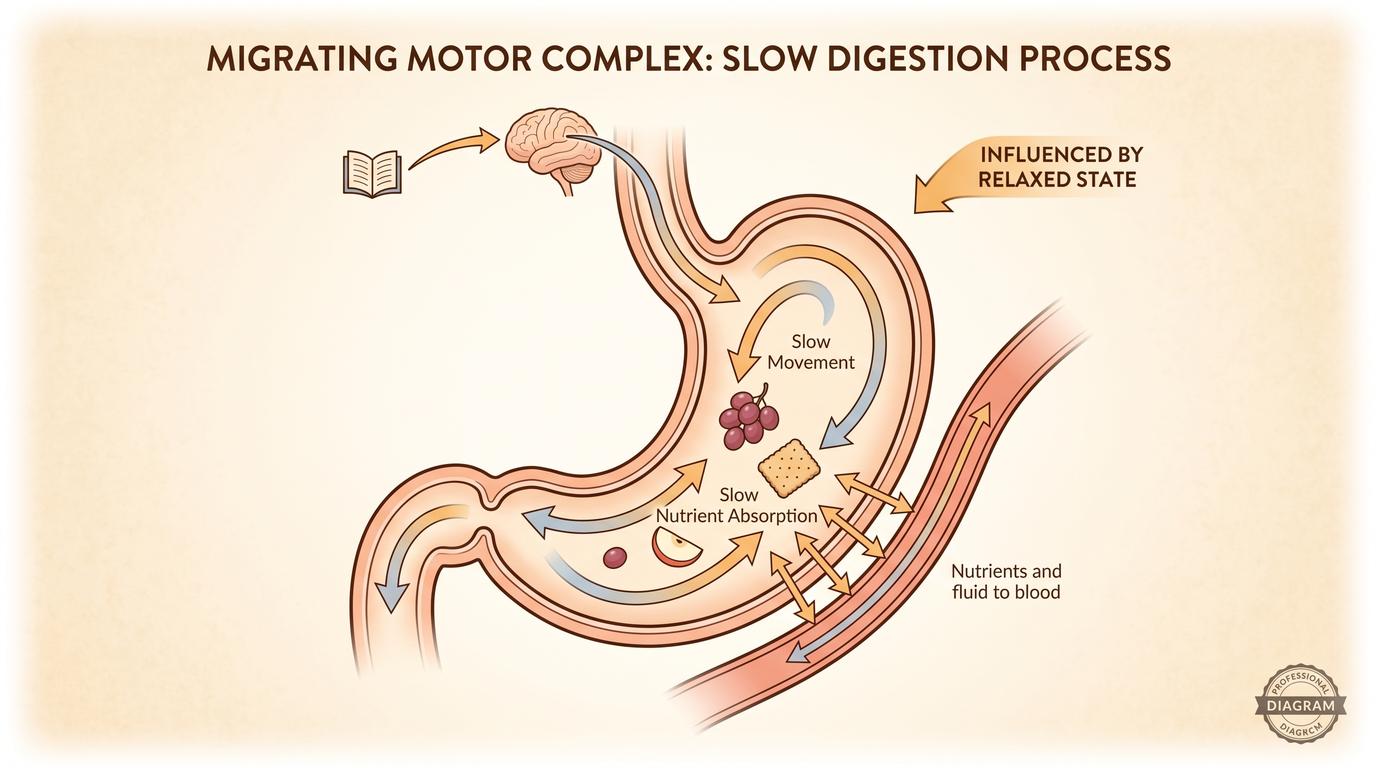
GLP-1 receptor agonists like semaglutide and tirzepatide slow gastric emptying by design. This is one of the mechanisms behind their appetite-suppressing and blood sugar-lowering effects: food leaving the stomach more slowly means a more gradual glucose release and a sustained sense of fullness (Jalleh RJ et al., *Lancet Gastroenterology and Hepatology*, 2024; PMID 39096914).
The degree of slowing is measurable and clinically relevant. In a randomized trial using scintigraphy imaging, once-weekly semaglutide at 1.0 mg retained 37% of a solid test meal in the stomach 4 hours after eating, compared with no gastric retention in the placebo group. The time required for half the meal to empty was 171 minutes with semaglutide versus 118 minutes with placebo (Jensterle M et al., *Diabetes, Obesity and Metabolism*, 2023; PMID 36511825).
This slowing is the drug working as intended. For most people, it contributes to appetite control and steady weight loss. The concern arises when the slowing is more pronounced than expected, or when it occurs in people who already have underlying gastric motility problems.
---
What the 2023 JAMA Study Actually Found
The landmark study that triggered most of the legal and media attention was published in JAMA in October 2023. Researchers analyzed a large US insurance database and compared gastrointestinal outcomes in people who used GLP-1 receptor agonists for weight loss versus those who used bupropion-naltrexone, a non-GLP-1 weight loss medication (Sodhi M et al., *JAMA*, 2023; PMID 37796527).
Among the GLP-1 users, the study found statistically significant associations with three conditions:
- Pancreatitis: 9.09 times higher risk compared to bupropion-naltrexone users
- Bowel obstruction: 4.22 times higher risk
- Gastroparesis: 3.67 times higher risk
The study also had important limitations the authors acknowledged. It was observational, not a controlled trial, so causation cannot be assumed. The comparison group (bupropion-naltrexone) may have had different baseline characteristics that influenced outcomes. The study period covered an era when lower-dose GLP-1 formulations were more common, which may not fully reflect current higher-dose use patterns.
This does not mean the finding should be dismissed. It means it should be interpreted in context: there is a real signal worth monitoring, not a guarantee that GLP-1 medications cause gastroparesis in typical users.
---
Who Is Most at Risk?
Not everyone on semaglutide or tirzepatide faces the same risk profile. Several factors appear to increase susceptibility to significant gastric emptying problems:
Pre-existing gastroparesis or slow gastric motility. People with a history of gastroparesis, diabetic autonomic neuropathy, or other conditions affecting gastric motility are generally poor candidates for GLP-1 medications. The FDA label for semaglutide (Ozempic, Wegovy) explicitly states that it is not recommended for people with severe gastroparesis.
Long-duration diabetes. Autonomic nerve damage from diabetes can impair gastric motility even before a formal gastroparesis diagnosis. Long-standing diabetes is a relevant risk factor.
High or rapidly escalated doses. Gastric emptying effects may be more pronounced at higher doses. Titrating doses slowly gives the GI system time to adapt and allows providers to catch tolerability issues early.
Certain connective tissue conditions. Conditions like Ehlers-Danlos syndrome are associated with broader dysautonomia and GI dysmotility, making GLP-1 side effects potentially harder to manage.
Prior abdominal surgeries. Procedures affecting vagal nerve function or gastric anatomy can compound delayed emptying effects.
---
What to Watch For
For most people on semaglutide or tirzepatide, early GI symptoms, particularly nausea and fullness, are expected and typically improve over the first several weeks as the body adjusts. True gastroparesis symptoms are more persistent and severe.
Seek prompt medical evaluation if you experience:
- Vomiting of undigested food hours after eating
- Severe nausea that does not improve after the first 4 to 8 weeks of treatment
- Significant bloating and abdominal distension
- Inability to tolerate solid foods
- Blood sugar fluctuations that are difficult to explain (relevant if you have diabetes)
- Unintended severe calorie restriction beyond your treatment goals
---
The FDA Label and What It Means
Following the accumulating evidence, the FDA updated the semaglutide prescribing information to include delayed gastric emptying as an adverse event and to add precautions about aspiration risk during anesthesia. The label now explicitly states that semaglutide is not recommended for use in patients with severe gastroparesis.
This label update does not mean semaglutide causes gastroparesis in most users. It means the FDA requires the prescribing information to reflect what the evidence shows: that delayed gastric emptying is a pharmacologic effect of the drug that, in some individuals, may become clinically problematic.
For surgical patients specifically, many anesthesia protocols now recommend stopping GLP-1 medications one week before elective procedures to reduce aspiration risk. If you are planning surgery, discuss your medication timeline with your surgeon and anesthesiologist well in advance. For more information on this topic, see [GLP-1 medications and surgery](/resources/glp1-medications-before-surgery-anesthesia-guide).
---
The Lawsuit Context: What It Means and What It Does Not
Beginning in 2023, thousands of lawsuits were filed against Novo Nordisk and Eli Lilly by people who claimed that semaglutide (Ozempic, Wegovy) and tirzepatide (Mounjaro, Zepbound) caused them to develop gastroparesis. The lawsuits allege inadequate warning of this risk.
These legal proceedings do not establish medical causation. Courts evaluate whether adequate warnings were provided, not whether a drug caused a specific individual's condition. Gastroparesis has many causes, and proving a drug caused a specific case in a specific person is a distinct evidentiary challenge.
What the lawsuits do highlight is that this risk was underemphasized in earlier prescribing conversations, and that it is a legitimate topic for informed consent when starting GLP-1 therapy.
---
Frequently Asked Questions
Will semaglutide definitely cause gastroparesis? No. The research shows a statistical association, particularly in certain risk groups. Most people on semaglutide tolerate GI side effects without developing clinical gastroparesis. The drug's gastric-slowing effect is intentional and dose-dependent; true gastroparesis is a pathological extension of that effect.
Is tirzepatide safer in terms of gastroparesis risk? There is no current evidence clearly distinguishing tirzepatide from semaglutide on gastroparesis risk. Both classes slow gastric emptying. Tirzepatide (a dual GIP/GLP-1 agonist) may have slightly different GI tolerability profiles in some patients, but head-to-head gastroparesis data is limited.
If I have a history of slow digestion, can I still use GLP-1 medications? Possibly, depending on the degree. This is exactly the kind of individual evaluation your provider should perform. People with mild GI motility issues may be candidates with careful monitoring; those with diagnosed gastroparesis should generally avoid these medications.
Should I stop semaglutide if I feel full all the time? Increased satiety is an expected and desired effect of semaglutide. The distinction to watch for is satiety so extreme that you cannot tolerate solid food, are vomiting, or are losing weight faster than intended. That crosses from "working as expected" into "needs evaluation."
---
The Bottom Line
GLP-1 receptor agonists like semaglutide and tirzepatide slow gastric emptying as part of their mechanism of action. For most patients, this effect is well tolerated and contributes to meaningful weight loss. A minority of patients, particularly those with pre-existing gastric motility conditions or other risk factors, may develop significant delayed emptying that requires medical attention.
The 2023 JAMA study found a meaningful association between GLP-1 use and gastroparesis, but it was an observational study with important limitations. The absolute risk remains low for most patients; the relative risk is elevated compared to other weight-loss medications.
The right conversation to have is with your provider, before starting therapy: disclose any history of slow digestion, diabetes-related nerve symptoms, or prior GI surgery. During treatment, report persistent or worsening nausea and fullness rather than attributing everything to expected side effects.
Prescriva works with independently licensed providers who evaluate each patient's individual history before prescribing. If you have questions about whether semaglutide or tirzepatide is appropriate given your digestive history, a provider evaluation is the right starting point.
[Start your free health assessment](/get-started)
---
*This article is for informational and educational purposes only and does not constitute medical advice, diagnosis, or treatment. Compounded semaglutide is not FDA-approved. Compounded medications are not reviewed by the FDA for safety, efficacy, or quality. Individual results vary. Ozempic and Wegovy are registered trademarks of Novo Nordisk A/S. Mounjaro and Zepbound are registered trademarks of Eli Lilly and Company. Prescriva is a Management Services Organization (MSO) and does not practice medicine or employ physicians. Clinical decisions are made by licensed providers in our affiliated provider network. If you experience symptoms of gastroparesis, seek prompt medical evaluation.*
References
- Sodhi M, Rezaeianzadeh R, Kezouh A, Etminan M. Risk of Gastrointestinal Adverse Events Associated With Glucagon-Like Peptide-1 Receptor Agonists for Weight Loss. *JAMA*. 2023;330(18):1795–1797. PMID 37796527.
- Jalleh RJ, Rayner CK, Hausken T, Jones KL, Camilleri M, Horowitz M. Gastrointestinal effects of GLP-1 receptor agonists: mechanisms, management, and future directions. *Lancet Gastroenterology and Hepatology*. 2024;9(10):957–964. PMID 39096914.
- Jensterle M, Ferjan S, Ležaič L, et al. Semaglutide delays 4-hour gastric emptying in women with polycystic ovary syndrome and obesity. *Diabetes, Obesity and Metabolism*. 2023;25(4):975–984. PMID 36511825.
- [Ozempic (semaglutide) prescribing information. Novo Nordisk Inc; 2024.](https://dailymed.nlm.nih.gov/dailymed/search.cfm?query=ozempic)
Stay informed
Weekly research updates and health guides. No spam.
References
- Sodhi M, Rezaeianzadeh R, Kezouh A, Etminan M. Risk of Gastrointestinal Adverse Events Associated With Glucagon-Like Peptide-1 Receptor Agonists for Weight Loss. JAMA (2023).
- Jalleh RJ, Rayner CK, Hausken T, Jones KL, Camilleri M, Horowitz M. Gastrointestinal effects of GLP-1 receptor agonists: mechanisms, management, and future directions. Lancet Gastroenterology and Hepatology (2024).
- Jensterle M, Ferjan S, Ležaič L, et al. Semaglutide delays 4-hour gastric emptying in women with polycystic ovary syndrome and obesity. Diabetes, Obesity and Metabolism (2023).
- Ozempic (semaglutide) prescribing information. Novo Nordisk Inc; 2024.. Published Research (2024).
Ready to get started?
Check if you qualify for a personalized treatment plan.
Check Your Eligibility →Continue reading

GLP-1 Medications and Caffeine: Does Coffee Affect Your Treatment?

GLP-1 Medications and Your Period: What Semaglutide and Tirzepatide Do to the Menstrual Cycle
