Lifestyle Factors That Affect Sexual Health
Sexual function is deeply connected to overall health, and modifiable lifestyle factors play a larger role than many people realize. Research consistently identifies several key behaviors that signifi

In this article
Sexual function is deeply connected to overall health, and modifiable lifestyle factors play a larger role than many people realize. Research consistently identifies several key behaviors that significantly impact sexual desire, arousal, and satisfaction.
Exercise
Physical activity is one of the most well-supported lifestyle interventions for sexual health. A systematic review and meta-analysis published in the British Journal of Sports Medicine found that regular exercise significantly improved erectile function in men, with effects comparable to those of PDE5 inhibitor medications in some populations.
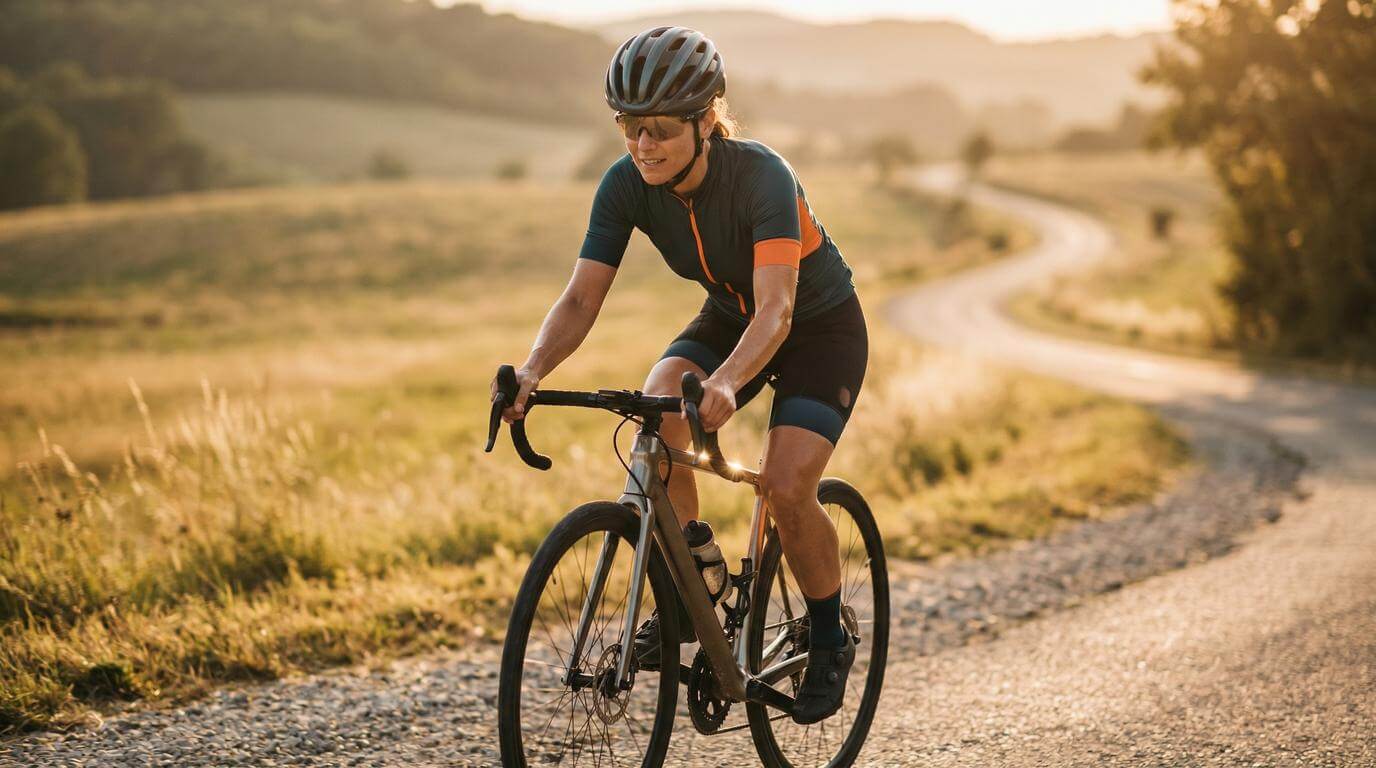
Mechanisms include:
- Improved endothelial function and blood flow (essential for arousal in both sexes)
- Reduced cortisol and improved stress resilience
- Enhanced testosterone levels, particularly with resistance training
- Improved body image and self-confidence
- Reduced symptoms of depression and anxiety
- 150 minutes per week of moderate aerobic activity
- Two to three resistance training sessions per week
- Pelvic floor exercises (Kegels) for both men and women, supported by evidence for improved erectile and orgasmic function
Diet and Nutrition
Dietary patterns have a measurable impact on sexual function. A study published in the Journal of Sexual Medicine found that adherence to a Mediterranean diet was significantly associated with reduced prevalence of erectile dysfunction in men with type 2 diabetes.
Key dietary factors:
- Mediterranean diet, Rich in fruits, vegetables, whole grains, olive oil, and fish; associated with improved vascular health and erectile function
- Nitrate-rich foods, Leafy greens and beets support nitric oxide production, essential for vascular dilation and arousal
- Zinc and magnesium, Important cofactors for testosterone synthesis
- Excessive processed food and sugar, Associated with inflammation, insulin resistance, and vascular impairment
Sleep
Sleep quality and quantity directly influence sexual health through hormonal and neurological pathways. Research published in the Journal of Sexual Medicine found that each additional hour of sleep was associated with a 14% increase in the likelihood of engaging in sexual activity in women.
Sleep impacts sexual health through:
- Testosterone production, which occurs primarily during sleep (particularly during REM phases)
- Cortisol regulation, as sleep deprivation elevates stress hormones
- Mood and energy, both of which influence desire
- Autonomic nervous system balance
- Seven to nine hours of consistent sleep per night
- Regular sleep and wake times, even on weekends
- Limited screen exposure before bed
- Treatment of sleep disorders such as obstructive sleep apnea, which is independently associated with erectile dysfunction
Alcohol
Alcohol's relationship with sexual function is dose-dependent. Low to moderate consumption may reduce social anxiety and inhibition. However, chronic or heavy alcohol use is clearly harmful to sexual function.
Chronic alcohol effects include:
- Direct suppression of testosterone production
- Peripheral neuropathy affecting genital sensation
- Liver damage impairing hormone metabolism
- Psychological dependence patterns that can displace intimacy
Smoking
Smoking is a well-established risk factor for sexual dysfunction. Nicotine causes vasoconstriction, damages endothelial cells, and accelerates atherosclerosis, all of which impair the blood flow essential for arousal in both sexes.
Research has demonstrated that smoking cessation can improve erectile function, with some studies showing measurable improvements within weeks to months of quitting.
Psychological Wellbeing
While technically not a "lifestyle factor" in the traditional sense, mental health is inseparable from sexual health:
- Depression and anxiety are among the most common causes of reduced desire
- Relationship quality strongly predicts sexual satisfaction
- Body image concerns can inhibit sexual confidence and enjoyment
- Mindfulness practices have shown benefit for sexual function in clinical studies
Practical Takeaways
- Regular exercise is one of the most effective interventions for sexual health
- A nutrient-dense dietary pattern supports the vascular and hormonal systems underpinning sexual function
- Consistent, adequate sleep is foundational to hormonal health and desire
- Reducing alcohol intake and quitting smoking produce measurable improvements
- Mental health and relationship quality are integral to sexual wellness
*This article is for informational purposes only and does not constitute medical advice. Always consult a licensed healthcare provider before beginning any new treatment. Individual results may vary.*
References
- He X, et al. Comparative efficacy and safety of non-pharmacological interventions for erectile dysfunction: a systematic review and network meta-analysis. *Sex Med Rev.* 2026 Jan. PMID 41649306. [https://pubmed.ncbi.nlm.nih.gov/41649306/](https://pubmed.ncbi.nlm.nih.gov/41649306/)
- Yang B, et al. Association between improved erectile function and dietary patterns: a systematic review and meta-analysis. *Asian J Androl.* 2025 Mar. PMID 39468798. [https://pubmed.ncbi.nlm.nih.gov/39468798/](https://pubmed.ncbi.nlm.nih.gov/39468798/)
- Chen Z, et al. Effect of different physical activities on erectile dysfunction in adult men not receiving medications. *Andrology.* 2024 Nov. PMID 38937909. [https://pubmed.ncbi.nlm.nih.gov/38937909/](https://pubmed.ncbi.nlm.nih.gov/38937909/)
Stay informed
Weekly research updates and health guides. No spam.
References
- He X, et al. Comparative efficacy and safety of non-pharmacological interventions for erectile dysfunction: a systematic review and network meta-analysis. Sex Med Rev. (2026).
- Yang B, et al. Association between improved erectile function and dietary patterns: a systematic review and meta-analysis. Asian J Androl. (2025).
- Chen Z, et al. Effect of different physical activities on erectile dysfunction in adult men not receiving medications. Andrology. (2024).
Ready to get started?
Check if you qualify for a personalized treatment plan.
Check Your Eligibility →Continue reading
PT-141 (Bremelanotide) for Men: Research, Uses, and What to Expect

Tadalafil Online: How to Get a Prescription Safely